
Reviewed · SCUBA DIVING
Open Water Course Cozumel
Cozumel’s reef is the prize here, but the strongest part of this course comes before you reach it. Be Diving Scuba Academy builds your skills in stages, from theory and equipment handling to pool practice and open-water training. Instructors such as John and Mariana put real weight on buoyancy, trim, controlled kicking, and care for coral.
I like the patient teaching and the small on-site pool, which gives nervous beginners a calmer place to practice before heading offshore. I also like the conservation message: you are taught not just how to breathe underwater, but how to avoid stirring up sand or touching the reef. The main consideration is that the schedule and meeting arrangements can vary between Playa del Carmen and Cozumel, so confirm the daily plan before you pay.
Key points
- Two or three days: Finish the PADI Open Water course on a compact schedule, depending on your availability and progress.
- A proper skills foundation: Practice with a mask, snorkel, fins, regulator, buoyancy control device, and tank before exploring the reef.
- Pool work before open water: A small on-site pool helps beginners gain confidence in a controlled setting.
- Possible Casa Cenote training: Some schedules include two initial open-water sessions at Casa Cenote near Tulum.
- Cozumel reef training: The final sessions may take place along the Mesoamerican reef from Cozumel.
- Private group format: Only your group participates, with instruction in English and support from an individual instructor.
Why this course works for first-time scuba students
Scuba certification can feel like a lot at first. You must learn equipment, breathing control, underwater communication, safety procedures, and basic physics, all while managing the very human urge to stand up when you cannot touch the bottom.
This course breaks the process into sensible pieces. You first learn the basic principles, then handle the equipment in confined water, and only after that use those skills in the sea. That order matters. It gives you a chance to solve small problems before you are surrounded by open water and a moving current.
The course is offered in English and can be completed in about two or three days. The shorter schedule may suit someone with limited holiday time, but you should not treat the timetable as a race. If you need extra practice with mask clearing, buoyancy, or regulator use, the useful outcome is confidence and control, not simply finishing quickly.
The course is private, meaning only your group participates. That can make a real difference for beginners. You are less likely to feel rushed by a large class, and the instructor can adjust the pace when one person needs more help.
More Scuba Diving in Cozumel
- Discover Scuba Diving in Cozumel Paradise Reef
★ 5.0 · 686 reviews - SeaTrek Underwater Helmet Diving Experience in Downtown Cozumel
★ 4.5 · 214 reviews - Cozumel Scuba Dive at Chankanaab
★ 5.0 · 153 reviews
Theory first, then equipment in the pool
The first phase is knowledge development. You can study online independently or complete the theory in a classroom, depending on the arrangement made with the school. This covers the basic principles of scuba, including how to use the equipment and how to make sensible decisions underwater.
You will work with the standard set of gear:
- Mask
- Snorkel
- Fins
- Regulator
- Buoyancy control device
- Air tank
The equipment list may look simple, but each part takes practice. A mask must be cleared correctly. A regulator must feel natural in your mouth. The buoyancy control device must be adjusted and used without overcorrecting. These are small skills, but they shape how calm and safe you feel later.
The school’s small pool is one of the most useful details in the entire program. It gives you a controlled place to kneel, hover, breathe, and repeat a skill without the added challenge of waves or open water. One technical diver praised the attention given to trim, buoyancy, and kicking technique, noting that the pool helped a beginner build unusually solid habits.
That is a good sign for anyone who wants more than a certificate card. Poor habits learned during an introductory course can follow you for years. Learning to move without kicking up sand or brushing against coral is better for you and better for the underwater world.
What you practice before leaving shore
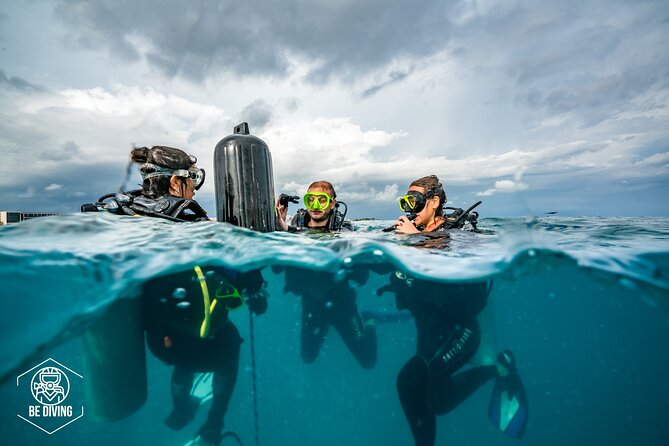
The confined-water portion is where the course becomes physical. You do not simply listen to an instructor explain scuba and then jump into the sea. You handle the kit, learn how it fits, and practice the basic skills needed to manage common situations.
Your instructor checks your progress and answers questions as you go. The staff members named in the supplied information include John, Mariana, and Cata. Their teaching styles may differ, but the repeated focus is patience, reassurance, and allowing each student enough time to feel comfortable.
That matters most if you are anxious. A first lesson can feel awkward, especially when breathing through a regulator or clearing water from a mask. You want an instructor who treats that as part of learning rather than as a failure.
The course also places emphasis on self-sufficiency. Your guide is there to support you, but the goal is not to cling to the instructor for every adjustment. You should finish knowing how to check your equipment, control your movement, and respond to basic problems using the skills you practiced.
Casa Cenote and the first open-water sessions
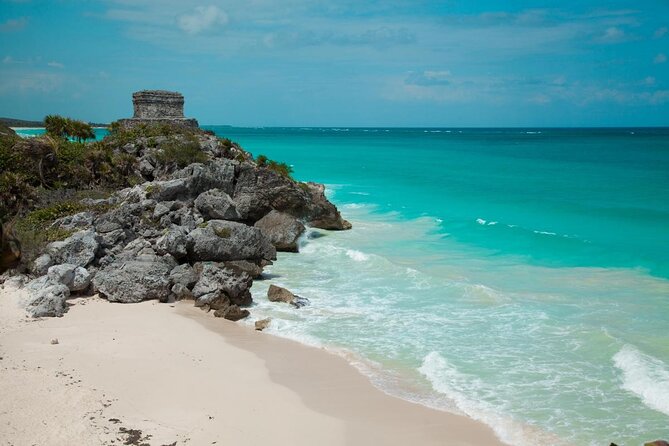
Some three-day schedules described for this course begin with two open-water sessions at Casa Cenote near Tulum. The cenote offers a different setting from the Caribbean reef. You can expect a sheltered freshwater environment with fish, clear water, and a quieter setting for putting your new skills to work.
This part is valuable because it gives you a bridge between the pool and the sea. You are still dealing with real conditions, but the setting may feel less intimidating than the open ocean. You practice skills, get comfortable moving underwater, and begin to look around instead of thinking only about your equipment.
The operator handles transport and lunch on the schedule that includes Casa Cenote. That is useful because it removes several chores from a packed certification day. You can concentrate on the training instead of trying to arrange a taxi, find food, or work out how to carry wet gear between locations.
The drawback is time. A trip from Playa del Carmen to a cenote and back adds road travel to an already active day. If your holiday plans are tight, ask how the itinerary is arranged and how much time you will spend in transit.
Also note that the main product information names Cozumel as the location, while the supplied course experiences mention Playa del Carmen and Casa Cenote. That does not necessarily mean anything is wrong, but it does mean you should confirm whether your package includes the cenote, Cozumel, or both.
A completely different kind of day out, same trip:
- Mr. Sanchos Beach Club All-Inclusive Day Pass
★ 4.5 · 6,744 reviews - Cozumel: Paradise Beach Club All-Inclusive Day Pass
★ 4.5 · 3,311 reviews - ATV 4×4+Snorkeling+Beach Club+ Lunch+Sabores de Cozumel
★ 5.0 · 1,468 reviews - Cozumel Snorkeling Tour: Palancar, Columbia and El Cielo Reefs
★ 4.5 · 1,462 reviews
Cozumel and the Mesoamerican reef
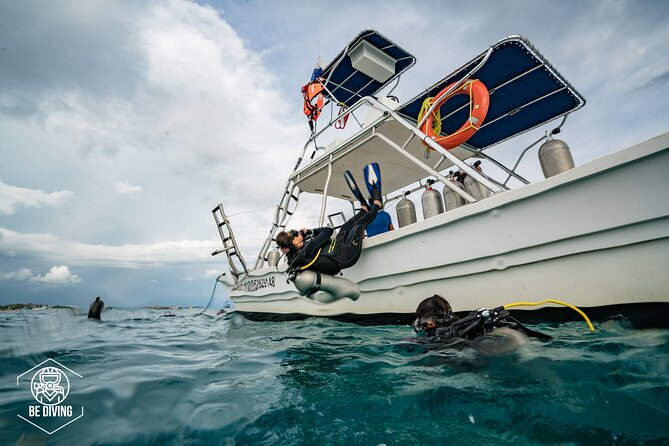
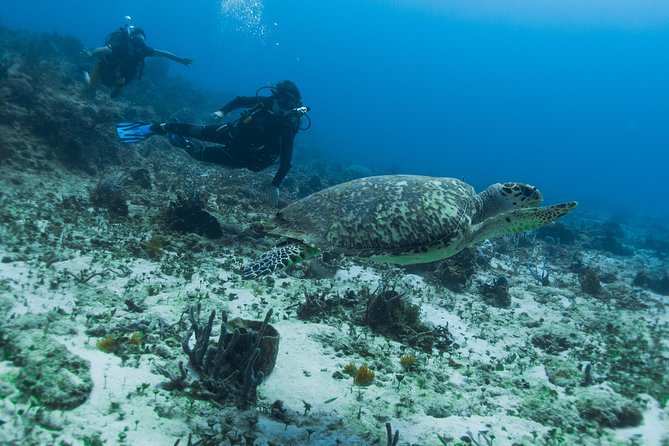
The final stage may take you by ferry to Cozumel for two open-water sessions along the Mesoamerican reef. This is the part most people picture when they imagine becoming certified in the Caribbean: salt water, reef habitat, fish, and the chance to use new skills in a real marine setting.
Cozumel gives the course a strong finish because you are not only practicing in a training site. You are learning in a major reef area where careful movement matters. The better your buoyancy, the less likely you are to make contact with coral or stir up the bottom.
Before each session, the instructor explains the goal of the outing and the skills you should focus on. That briefing helps you avoid the common beginner mistake of trying to look at everything at once. First handle the required skills. Then take time to notice the fish and reef around you.
The open-water setting can also reveal why the pool work matters. A mask that felt easy in the pool may need attention in the sea. A small change in buoyancy can make you rise or sink more than expected. Your instructor watches your progress and gives you time to repeat skills until they feel manageable.
Underwater photographs or videos may be available for purchase afterward. One participant appreciated not having to think about carrying a personal camera during training. I agree with that logic. During your first sessions, your attention belongs on breathing, position, communication, and awareness. A photo package is optional, but it can be a convenient souvenir.
Marine conservation is part of the instruction
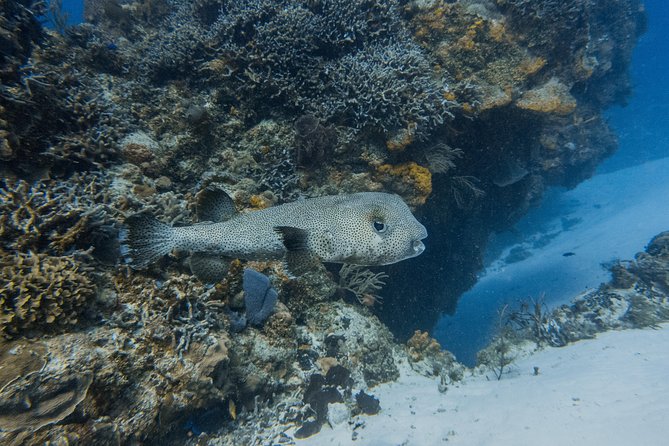
The environmental message here is practical rather than decorative. You learn that good underwater behavior means keeping your body position controlled, avoiding coral contact, and using an efficient kick that does not create a cloud of sand.
That is important in Cozumel, where reef conditions depend on many small choices made by people in the water. A new diver who learns to hover properly is less likely to damage coral by accident. Someone who understands why contact is harmful is more likely to make careful decisions later, even when an instructor is not nearby.
I especially like that conservation is tied to technique. You are not given a vague reminder to protect nature and then sent off. Trim, buoyancy, and kicking skills are useful for safety, comfort, air use, and reef care at the same time.
This also helps you judge the quality of your instruction. A course that rushes through the basics may get you certified, but a course that teaches control gives you a better foundation for future trips.
Is the $600 price good value?
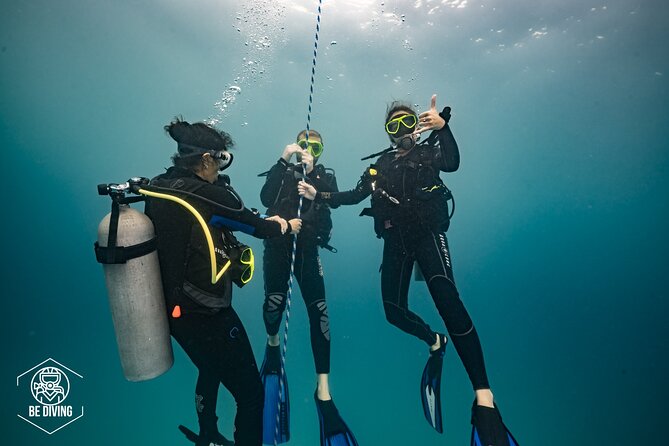
The listed price is $600 per person. That is a serious expense, but certification courses include more than a single boat outing. You are paying for theory, equipment instruction, confined-water practice, open-water training, an instructor’s time, and the certification process.
The value is strongest if you want to become a real certified diver rather than simply try scuba for one afternoon. The course gives you a qualification you can use on future trips, along with skills that should help you feel more capable in the water.
The private format also adds value. A large class can be cheaper, but it may give you less personal attention. Here, your instructor can spend more time on the areas that trouble you, whether that is mask clearing, buoyancy, or simply staying calm.
Transport and lunch are included on the Casa Cenote schedule described in the supplied information. That makes the package easier to manage, though you should confirm exactly what is covered in your booking. It is also worth asking about optional underwater photographs, since those may cost extra.
The price is less attractive if you are not sure you want certification. In that case, a shorter introductory session may suit you better. This course requires several days and a moderate level of physical fitness, so it is not a casual add-on for every holiday.
Who should book this course?
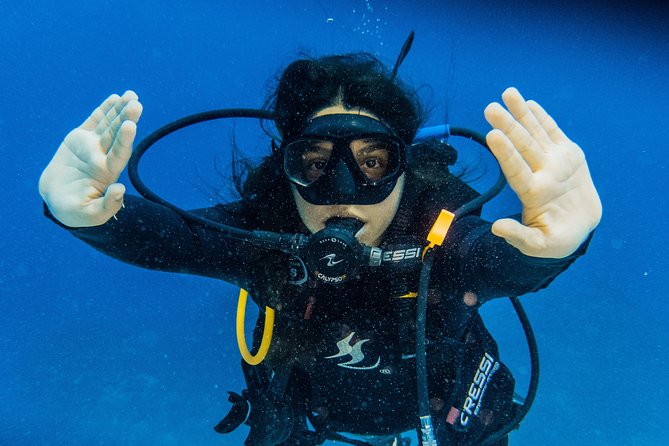
I would point this course toward a first-time student who wants careful instruction and enough time to build confidence. It also suits a couple or small private group with different comfort levels, since the instructor can give more individual support.
It is a good choice if you care about learning correct technique rather than just completing the minimum skills. John’s focus on trim and buoyancy, along with Mariana and Cata’s patient instruction, suggests a school that takes fundamentals seriously.
You should also consider it if Cozumel is a major goal for your holiday. Training in the area gives you a direct introduction to the reef and lets you use your new certification in the place that may inspire you to keep going.
I would hesitate if your schedule cannot spare two or three days, if you dislike classroom study, or if you are hoping for a simple sightseeing outing. Certification involves work. You will need to study, practice, listen carefully, and take responsibility for your own skills.
The course requires moderate physical fitness. The information provided does not give a detailed list of medical restrictions, so ask the operator any health-related questions before booking.
Practical details before you reserve
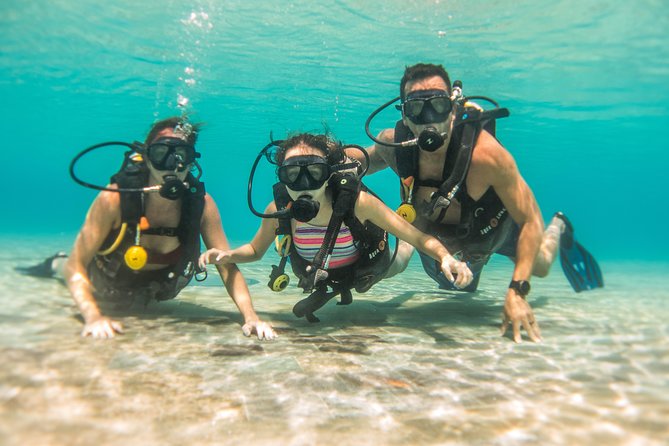
The activity starts in San Miguel de Cozumel and ends back at the meeting point, according to the main details. A separate ticket redemption address is listed at 10 Avenida Nte. 173-5, Gonzalo Guerrero, Playa del Carmen. Because both places appear in the information, confirm the exact meeting point, ferry arrangements, and daily sequence before your start date.
The course is offered in English. Confirmation is sent at booking, and the activity is near public transportation. It is a private activity for your group only.
You can cancel for a full refund up to 24 hours before the start time. Cancellations or changes made less than 24 hours ahead are not accepted for a refund. Bad weather or failure to reach the minimum number of participants can also cause cancellation, in which case you are offered another date, another experience, or a full refund.
The course is usually booked about 24 days in advance. I would not leave it until the last minute, especially if you need a particular instructor, date, or three-day schedule.
Should you book the Be Diving Open Water Course?
Book it if you want a proper PADI Open Water qualification, patient instruction, and a course that treats buoyancy and reef care as core skills. The pool practice, private format, and possible combination of Casa Cenote and Cozumel give the training useful variety.
Before paying, clarify the exact location and timetable. Ask whether your plan includes Playa del Carmen, Casa Cenote, Cozumel, or a combination, and confirm what transport, meals, equipment, and optional media cost.
For a beginner ready to commit two or three days, this looks like a strong-value course with an unusually thoughtful focus on control and conservation. For someone who only wants a quick underwater introduction, choose a shorter activity instead.
FAQ
How long does the Open Water course take?
The course can be completed in two or three days, depending on your availability and the course arrangement.
What are the three main parts of the course?
You complete theory study, confined-water training for basic skills, and open-water sessions where you use those skills in a natural setting.
Can I study the theory online?
Yes. The theory portion can be completed through online independent study or in a classroom.
What equipment will I learn to use?
Training covers a mask, snorkel, fins, regulator, buoyancy control device, and air tank.
Is the course taught in English?
Yes, the course is offered in English.
Is this a private activity?
Yes. Only your group participates in the activity.
Where does the course start and finish?
The listed start and end point is San Miguel de Cozumel, Quintana Roo, and the activity ends back at the meeting point. A separate Playa del Carmen address is also provided for ticket redemption, so confirm your exact meeting arrangements.
What happens if bad weather cancels the course?
You will be offered a different date or a full refund if poor weather causes the activity to be canceled. You can also receive a full refund when canceling at least 24 hours before the start time.
Just added around Cozumel
- Private Shuttle from Inside Cozumel Airport to hotels in Cozumel★ 4.5 · 182 reviews
- Half-Day Island Tour with Mayan Experience & Beach Break★ 4.5 · 101 reviews
- Off Road ATV Tour with Caverns, Cedral & Beach Time with Transfer★ 4.5 · 39 reviews
- VIP Private Glass Bottom Boat and Snorkeling, 3 Reefs in Cozumel★ 4.5 · 43 reviews
- ATV and Clear Boat Ride Full Experience in Cozumel★ 4.5 · 111 reviews
- Ticket to Wrestling Show without lining up★ 5.0 · 110 reviews
- Cielito Cozumel: Mexican Caribbean Snorkeling Tour★ 4.5 · 83 reviews
- Traditional Family Kitchen in Cozumel★ 5.0 · 165 reviews
Scuba Diving, compared.
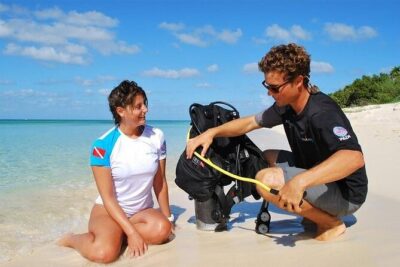
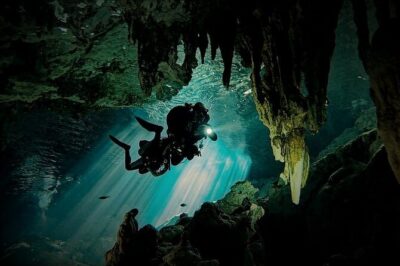
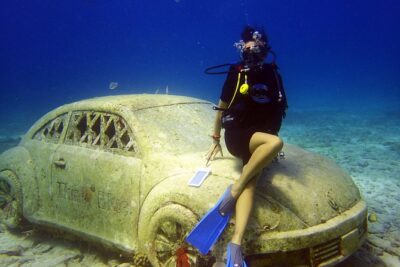
Diving in the Mexican Caribbean for Beginners | 2 Tanks 2 Dives | All Inclusive
Read our review →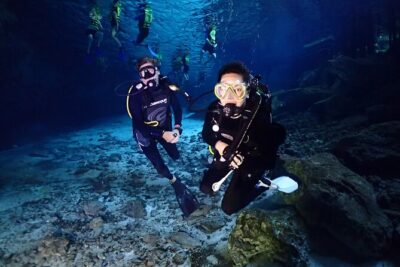
2-Tank Scuba Dive in Cabo San Lucas Reserve for Certified Divers
Read our review →
Discover Scuba Diving & Beach Club with Transportation In Riviera Maya
Read our review →
Two Tanks Scuba Diving for Beginners in Cancun
Read our review →Browse the lists this tour appears in