
Reviewed · COOKING CLASSES
Oaxacan Vegetarian Cooking Class
Oaxaca’s best cooking lesson starts before you reach the stove. You walk through the Merced neighborhood, visit a local market, taste ingredients such as quesillo, and then turn those purchases into mole, tortillas, salsas, and other vegetarian dishes. I especially like the market-to-table format and the cultural stories shared by Victor, whose family background is rooted in Zapotec cooking.
I also like that you cook with local produce instead of working from a fixed tourist menu. The main consideration is that this is a group kitchen project, so you may prepare only one or two assigned parts rather than every dish from start to finish. The kitchen is rustic, and one past participant also raised concerns about hand-washing, cleanup duties, and receiving recipes, so expectations should be practical rather than polished.
Key things to know before booking
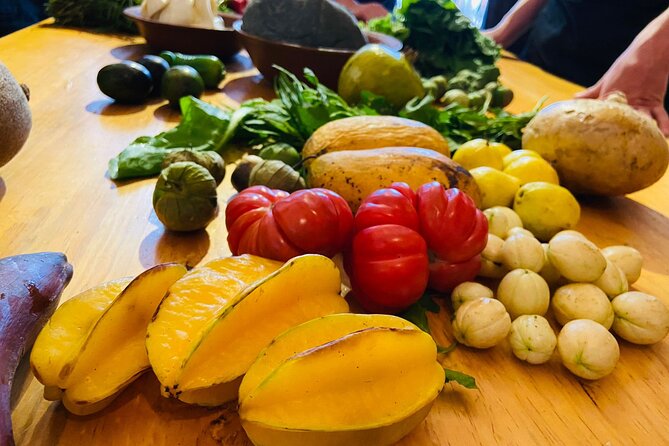
- The market walk comes first: You shop for vegetables, herbs, cheese, seeds, chocolate, and other ingredients before cooking.
- Victor is a major part of the experience: He explains Zapotec food traditions, family recipes, and the cultural meaning behind the dishes.
- The cooking is shared work: You may chop cactus, press masa, make salsa, stir mole, cook rice, or prepare vegetables, depending on the group.
- Mole is often the star: Menus have included mushroom mole and a family-style mole with plantain, guayaba, chiles, seeds, herbs, and chocolate.
- It suits vegetarians and curious omnivores: The class focuses on vegetarian food, but mixed groups are welcome.
- Plan on four hours: The experience begins and ends at TeoLabXicoténcatl 609 in central Oaxaca and includes food, drinks, equipment, and snacks.
From TeoLabXicoténcatl into the Merced neighborhood
The class begins at TeoLabXicoténcatl 609 in central Oaxaca, near Espacio Mezcal. From there, you set out on foot through a traditional neighborhood near the Merced area.
This opening walk gives the class a useful sense of place. You pass colonial churches, small parks, and houses faced with pink, green, and yellow quarry stone. It is not just a transfer to the market. The guide points out local details and less obvious corners of the neighborhood, helping you see Oaxaca as a lived-in city rather than a backdrop for a cooking lesson.
You may be given a chiquigüite, a traditional woven basket, and a mandil, or apron, for the market visit. Those small touches make the shopping feel like part of the food culture instead of a quick stop to collect ingredients.
The walk also sets the pace for the morning or afternoon. Wear comfortable shoes, since the experience combines several hours of walking, standing, cooking, and eating. The route includes parks and neighborhood streets, so you should not expect a formal city sightseeing tour with long historical lectures at every stop. Its purpose is to connect the food with the streets where people buy and prepare it.
More Cooking Classes in Oaxaca
- Flavors of Oaxaca: Cooking Class with No Set Menu and Local Market Tour
★ 4.5 · 333 reviews - Traditional Oaxaqueña Cooking with Grandma’s Recipes
★ 5.0 · 260 reviews - The Real Traditional Oaxaca culinary Cooking experience
★ 5.0 · 251 reviews
Shopping for vegetables, cheese, and Oaxacan flavor
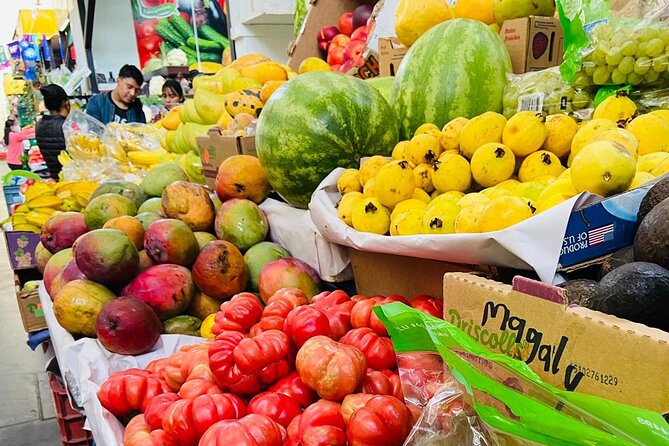
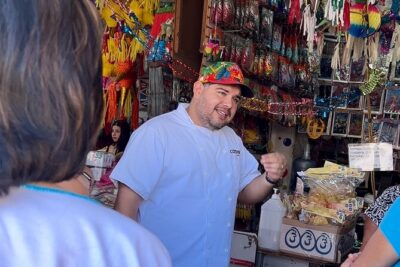
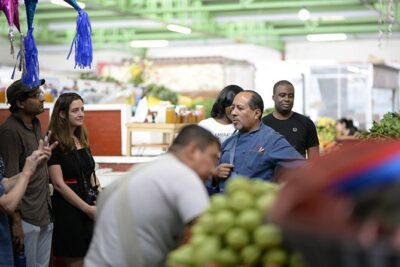
The market visit is the heart of the first half. You meet local producers selling fresh vegetables and herbs, including produce brought in from a town near Oaxaca City. The ingredients are described as organically grown and harvested that morning, though the exact selection changes with the season and market supply.
You may taste local cheese, especially quesillo, the stringy cheese often associated with Oaxaca. Some classes have also included fruit, seeds, chocolate, cactus, squash flowers, huitlacoche, and local herbs such as epazote and hoja santa. The guide explains what each item is and how it fits into Oaxacan cooking before the group buys supplies for the meal.
This is where the class gains much of its value. A recipe alone can tell you to add an unfamiliar herb or chile, but a market visit shows you what the ingredient looks like, how it is sold, and how it fits into everyday food. You get a better feel for the difference between shopping in a local market and buying a packaged substitute at home.
The timing can affect this part of the class. One session found the market close to shutting down, while another class visited a smaller, quiet market that allowed plenty of room to examine the produce. If you have a choice of session, a morning departure may offer the best chance of seeing the market at full activity. That said, the cooking portion remains the main event if the market is winding down.
Some participants have also tried crickets during the market visit. Crickets are not part of the vegetarian meal, so you can simply decline them. The class is designed around vegetables and plant-based preparations, and mixed groups are welcome.
What you may cook in the Etnofood kitchen
After shopping, you return to the cooking space associated with Etnofood. The menu is not rigid, and that is important to understand. You might prepare a salad, soup, memelas, quesadillas, empanadas, rice, sautéed zucchini, squash flowers, cactus, or another traditional vegetable dish.
Mole is a frequent feature. One version has included mushrooms, while another family recipe used plantain, guayaba, roasted garlic, chiles, yerba santa, seeds, cinnamon, sesame, and chocolate. Mezcal has even been used for a brief flambé before the sauce is blended. The exact dish depends on the day, the ingredients available, and the instructor.
The menu may include:
- A fresh salad or fruit-based starter
- A main vegetable dish or festive mole
- Rice, tortillas, memelas, quesadillas, or empanadas
- Salsas made fresh or roasted in a molcajete
- Agua fresca, bottled water, and sometimes an alcoholic drink
- A sweet dish or dessert surprise
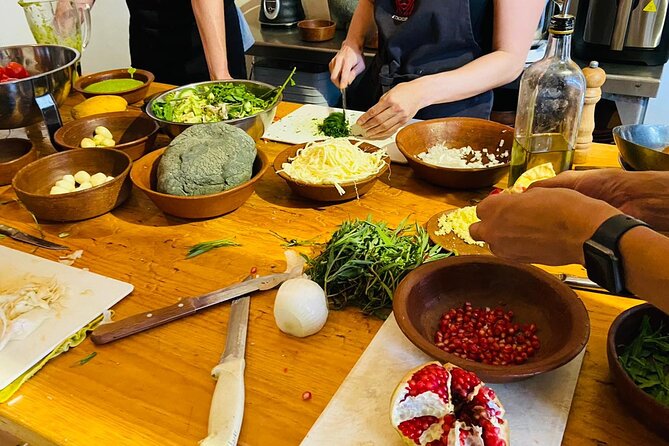
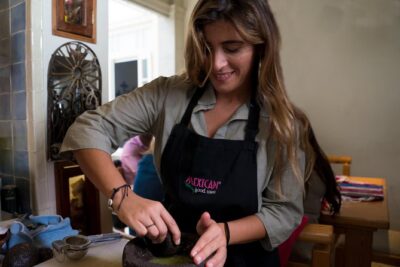
The food is prepared from scratch, including masa for tortillas or quesadillas. You may chop nopal, cut vegetables, press masa, grind spices, roast ingredients, sauté vegetables, or stir a sauce. The instructor organizes the jobs so the whole group can work at once.
That group setup is both a strength and a limitation. It keeps the class lively and lets you share the work of a large meal. It also means you may not personally complete every step. If you are assigned to chop vegetables, you may only watch parts of the mole or tortilla preparation. Ask questions and move around when appropriate, but do not expect the format of a private lesson in which you cook every dish alone.
Victor, family recipes, and Zapotec food traditions
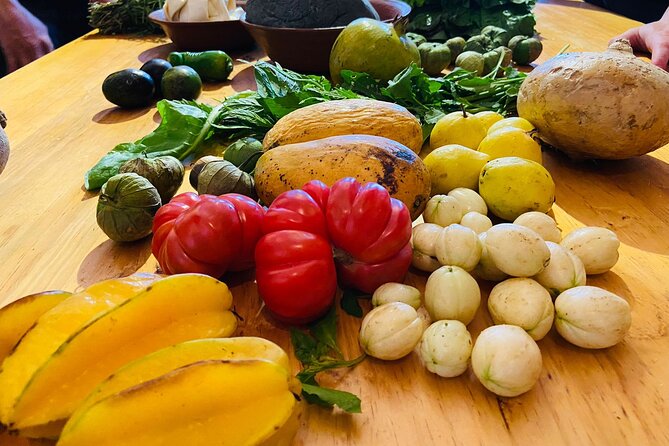
Victor is frequently the lead instructor, and his teaching is one of the strongest reasons to book. He talks about his path into cooking, his mother’s traditional Zapotec cooking, and recipes passed down through his family. His style combines instruction with storytelling, and he is also described as encouraging to people who do not speak Spanish.
The cultural context matters here. The class presents traditional Zapotec cuisine as largely vegetarian in everyday practice, with meat reserved for certain celebrations. That helps explain why the food does not feel like a token vegetarian version of a meat-centered menu. Vegetables, masa, herbs, seeds, chiles, and sauces provide the structure of the meal.
Victor also shares a simple cooking principle: flavor comes from layering ingredients and treating the process with care. You see that in the mole, where nuts, seeds, herbs, chiles, fruit, garlic, and chocolate are prepared in stages rather than dumped into one pot.
Other instructors may lead the class. Armando and Quetzali have also guided groups, and the experience includes a team of kitchen helpers. The teaching quality appears to depend partly on who is assigned that day, but the recurring pattern is clear: the staff handles groups well and keeps the work moving.
A completely different kind of day out, same trip:
- Hierve el Agua, Tule Tree, Mitla and Mezcal Distillery Tour
★ 4.5 · 1,094 reviews - Explore Hierve el Agua, Mitla, Tule, Textile and Mezcal for a day
★ 5.0 · 1,043 reviews - Monte Alban Guided Half Day Tour
★ 5.0 · 880 reviews - From Oaxaca de Juarez: Hierve el Agua and Mezcal Distillery
★ 4.9 · 615 reviews
Sitting down to a generous vegetarian meal
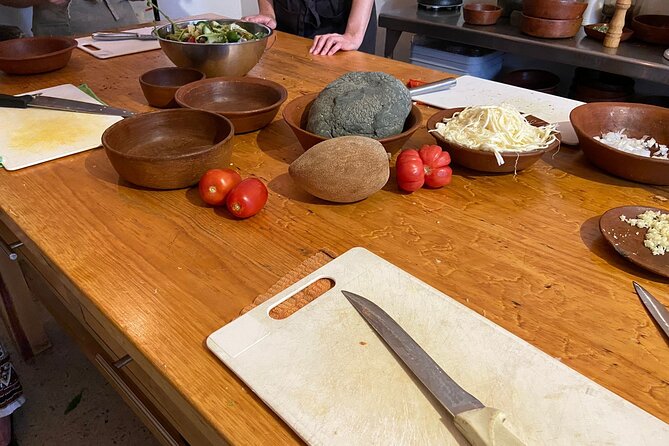
Once the cooking is done, everyone eats together. This shared meal is more than a final tasting. You see how the separate jobs fit together, from the market produce to the tortillas, rice, salsa, and main dish.
Portions are described as generous, and a meal might include mole with rice, sautéed zucchini, soup, memelas, quesadillas, empanadas, fresh salad, or fruit with chile. One especially wide-ranging menu included two salsas, chayote with zucchini, rajas with squash flowers, rice with herbs, quesadillas with quesillo and epazote, tortillas, and fruit agua fresca.
The meal is served in a relaxed setting, with time to talk and share the results. The class includes lunch, snacks, bottled water, and alcoholic beverages. Since the menu is prepared collectively, this final meal feels like a communal reward rather than a restaurant course delivered to you.
You should also know that the kitchen is rustic. That is part of the appeal for anyone seeking traditional methods, but it may disappoint you if you expect a modern culinary school. One participant felt the group should have washed hands more carefully before handling food and was surprised to help clean pots and dishes. Those are fair considerations. Clarify the cleanup arrangement at the start, and bring your own standards for hand hygiene.
Price, group size, and practical value
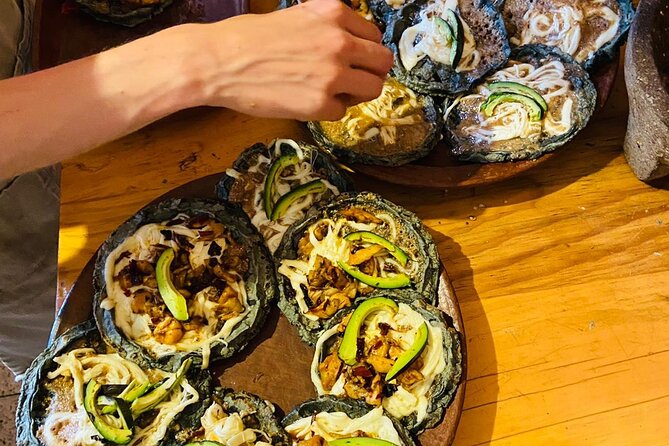
At $70.72 per person for about four hours, this is not the cheapest cooking class in Oaxaca. The price includes the neighborhood walk, market tasting and shopping, cooking instruction, ingredients, kitchen equipment, snacks, lunch, water, and alcoholic beverages.
I think the value is good if you want more than a recipe demonstration. You are paying for a guided food outing, a cultural introduction, a full meal, and a chance to work with ingredients that may be difficult to identify on your own. The class can also replace a separate market tour and lunch.
The value is weaker if your main goal is intensive individual instruction. Since the class is built around collective work, you may not personally prepare every part of the menu. The experience is best for people who enjoy helping with a shared meal, asking questions, and eating with the group.
The activity is described as a private tour with only your group participating, but reports from the cooking sessions include groups of nine, ten, and even around twenty people. That suggests the exact format may vary by booking or session. If personal attention is important to you, confirm the expected group size before paying.
The activity is available in English, and service animals are allowed. It is near public transportation, though the supplied details do not specify a pickup service. You meet at the central Oaxaca address and return there at the end.
Who should book this Oaxaca cooking class
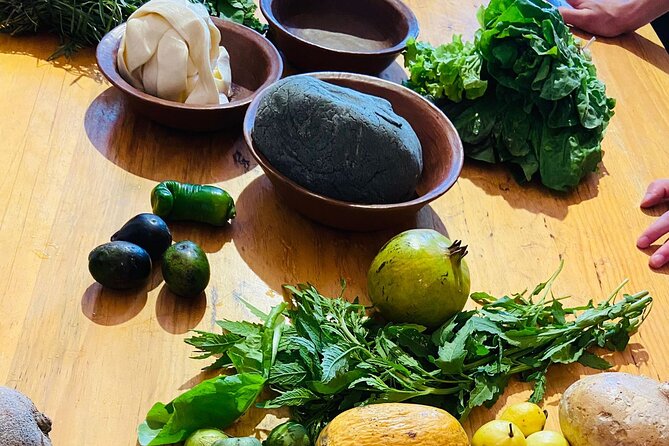
I would choose this class if you want to understand how Oaxacan food is built, not simply eat it. It is especially suited to vegetarians, food lovers, couples, friends, and solo visitors who enjoy meeting people around a shared task.
It also works well for curious omnivores. The food is vegetarian, but the market visit and cooking techniques apply to anyone interested in Mexican cuisine. You can learn how to handle masa, toast spices, balance chiles with fruit, use local herbs, and build a sauce from several layers of flavor.
Families and people with dietary restrictions should contact the provider before booking. One session adjusted the menu for a food allergy, but the available information does not promise that every allergy or dietary request can be handled.
I would skip it if you dislike group participation, standing for long periods, rustic kitchens, or shared cleanup. I would also choose an earlier session if market activity is a major priority, since a late visit may find some stalls closing.
Should you book it?
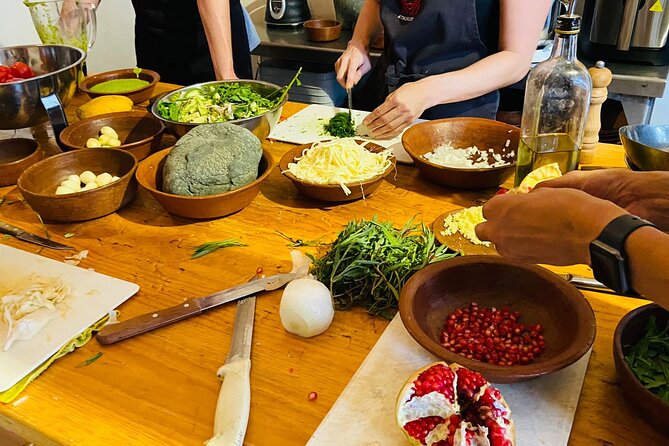
Yes, if you want an active food experience with a strong connection to Oaxaca’s neighborhoods and Zapotec traditions. The market visit, family-style meal, and hands-on work give you more than a standard demonstration.
Book with realistic expectations. You may not cook every dish, the menu can change, and the kitchen is practical rather than polished. But if you are happy to chop, stir, taste, listen, and share the work, the $70.72 price buys a satisfying half-day that can teach you how Oaxacan vegetarian food actually comes together.
Free cancellation is available up to 24 hours before the start time. Cancellations made within 24 hours are not refunded, and poor weather may lead to a new date or a full refund.
FAQ
Where does the cooking class begin?
It begins at TeoLabXicoténcatl 609, Centro, 68000 Oaxaca de Juárez, Oaxaca, Mexico.
Where does the activity end?
The activity ends back at the meeting point.
How long does the experience last?
The cooking class and neighborhood market visit last about four hours.
Is the class offered in English?
Yes, the experience is offered in English.
Is the meal vegetarian?
Yes. The class focuses on vegetarian Oaxacan cooking. Crickets may be available to taste during a market visit, but they are not part of the vegetarian meal.
What food might I prepare?
Possible dishes include salad, mole, rice, tortillas, quesadillas, empanadas, soup, memelas, salsas, sautéed vegetables, and dessert. The menu can change.
Are food and drinks included?
Yes. The price includes snacks, lunch, bottled water, alcoholic beverages, ingredients, cooking materials, and kitchen equipment.
Is this a private activity?
The activity is described as private, with only your group participating. Some cooking sessions have included larger groups, so confirm the expected group size if that matters to you.
What is the cancellation policy?
You receive a full refund if you cancel at least 24 hours before the start time. Cancellations or changes made within 24 hours are not accepted for a refund.
More Vegan and Vegetarian Tours in Oaxaca
- Oaxaca: Vegetarian Cooking Class
★ 4.8 · 139 reviews - Zihuatanejo Food -Tasting and Walking Tour (Not for vegetarian)
★ 5.0 · 82 reviews - Mexico City: Vegan and Vegetarian Street Food Adventure
★ 4.8 · 65 reviews - Tacos Tequila y Más – The Centro of Centro (Vegetarian Friendly)
★ 5.0 · 56 reviews
Just added around Oaxaca
- Canyoning in the Oaxacan Coast Canyons★ 5.0 · 76 reviews
- The Mezcal Journey★ 4.9 · 78 reviews
- Street Art with an artist★ 4.9 · 32 reviews
- Oaxaca: Vegetarian Cooking Class★ 4.8 · 139 reviews
- Oaxaca: Mount Albán & Cuilapam de Guerrero Full-Day Tour★ 4.7 · 110 reviews
- Oaxaca: San Martín Tilcajete, Jalieza & Ocotlán Crafts Route★ 4.6 · 48 reviews
- Oaxaca: Traditional Oaxacan Cooking Class with Market Visit★ 4.9 · 80 reviews
- Oaxaca: Mezcal Adventure★ 4.5 · 44 reviews
Cooking Classes, compared.
Cabo San Lucas Mexican Cooking Class Experience and Local Markets
Read our review →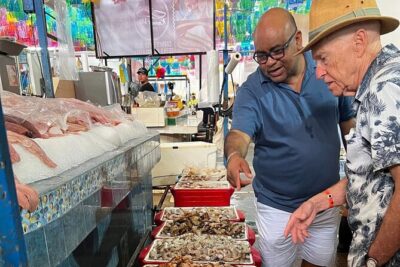
Puerto Vallarta Cooking Class Experience with Market Tour
Read our review →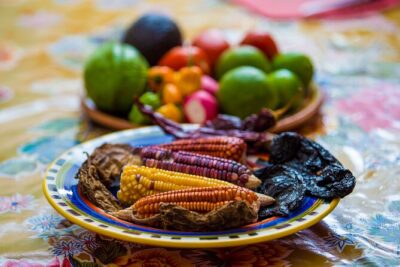
Mexican Cooking from Scratch in a Local Home in Tulum
Read our review →
Mexican Cooking Class with Food Market Visit in Mexico City
Read our review →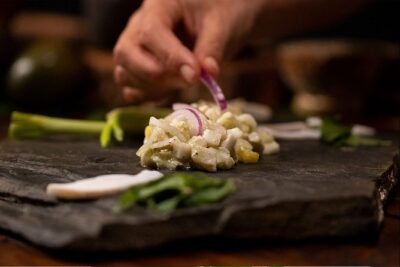
Flavors of Oaxaca: Cooking Class with No Set Menu and Local Market Tour
Read our review →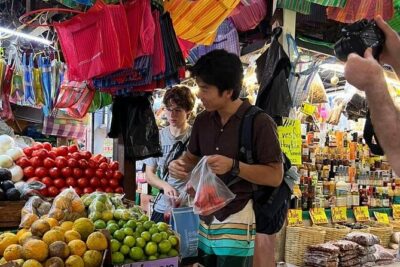
Taste of the Yucatan: Merida Cooking Class and Market Visit
Read our review →Browse the lists this tour appears in