
Reviewed · WALKING TOURS
Mexico City: Roma and Condesa Neighborhoods Walking Tour
Roma and Condesa are Mexico City at its most creative: leafy avenues, old mansions, street art, bakeries, bookshops, and cafés sit beside markets and family-run bars. The walk begins outside Centro Cultural Bella Época and links the two neighborhoods through places that are easy to miss on your own.
I especially like the chance to stop for local food, from churros and hot chocolate to tacos, indigenous fruit, ice cream, or even grasshopper dishes. I also like that guides such as Laila, Jorge, David, and Desiree adjust the walk to your interests instead of delivering the same speech at every corner.
The main consideration is the pace. Three hours can pass quickly, and some guests have walked roughly six miles or stayed out for four hours when the guide extended the route. Comfortable shoes are essential, and meals, drinks, transport, and personal purchases cost extra.
Key points to know before booking
- Start at Centro Cultural Bella Época: The meeting point places you near Roma and Condesa’s cultural and architectural sights from the first step.
- See Mexico Park and Plaza Río de Janeiro: These named stops give the walk a useful structure, with time for parks, buildings, photos, and local stories.
- Expect a flexible route: Guides may shape the walk around food, music, art, shopping, markets, or architecture.
- Plan for substantial walking: The advertised duration is three hours, but the route can cover several miles and may run longer.
- Food tips are part of the value: Churros, bakeries, pastor tacos, ice cream, and restaurant suggestions help you use the neighborhoods after the tour.
- Choose from four guide languages: Tours are offered in Spanish, English, French, and German.
Why Roma and Condesa make a good first walk
Roma and Condesa are not museum districts where you move from one major sight to the next. Their appeal comes from the way daily life spills into the streets. You pass old architecture, parks, coffee shops, galleries, markets, restaurants, record stores, Mexican design shops, and small businesses within a fairly compact part of Mexico City.
That makes a guided walk especially useful. I can read about Roma and Condesa, but a local guide can explain why a building matters, point out a creative space behind an unassuming entrance, or suggest where to return for breakfast. The tour is less about checking off monuments and more about learning how the neighborhoods work.
The experience also suits an early visit to Mexico City. After three hours, you should have a practical sense of where to eat, where to browse, where to find art, and which streets deserve another look. You may still want a map, but you will no longer be starting from zero.
More Walking Tours in Mexico City
- Historic Downtown Walking Tour
★ 5.0 · 1,289 reviews - Mexico City: Historic Downtown Walking Tour
★ 4.8 · 1,039 reviews - Frida Kahlo VIP [Museum Tickets Included] Walk, Markets & Churros
★ 5.0 · 982 reviews
Starting outside Centro Cultural Bella Época
The meeting point is outside Centro Cultural Bella Época. This is a sensible place to begin because the walk starts with culture and architecture rather than a generic street corner.
Your guide may use the opening part of the route to explain the character of Roma and Condesa, including how their architecture, parks, businesses, and creative communities fit together. The first two stops are listed as visits of roughly 10 and 15 minutes, so expect short explanations and time to look around rather than a long indoor visit.
The exact details of these early stops are not fixed in the information provided. That is worth knowing. If you want a tour centered on famous landmarks with a precise monument-by-monument schedule, this is not that experience. If you prefer a walk that responds to the neighborhood and your interests, the open structure is a plus.
Guides have been especially good at asking what you want to see. Laila has adjusted routes for food, music, galleries, and shops, while Jorge has focused on architecture, history, and restaurant advice. Desiree has also tailored walks around particular interests, including a bakery stop requested by a couple.
Mexico Park, the green heart of the walk
Mexico Park receives about 20 minutes on the stated route. This is one of the tour’s most useful pauses because it gives you room to notice the public life of Condesa rather than simply marching between businesses.
Expect an explanation of the park and its place in the neighborhood, along with time for photographs and a breather. Parks are a major part of the Roma and Condesa experience. They soften the grand avenues and help explain why people come here not only to dine and shop, but also to spend time outdoors.
The park stop also helps break up the walking. Three hours on city pavement can be tiring, particularly if you are stopping for photos, browsing shops, or eating along the way. I would use this pause to refill your water bottle and check your footwear before continuing.
The tour’s wider route may include community gardens and environmental spaces. One especially interesting possibility is Huerto Roma Verde, a community space with a market area and garden. It is not presented as a guaranteed stop on every departure, so consider it a possible highlight rather than a promise. If community projects and urban nature interest you, mention that when you meet your guide.
Markets, cafés, bakeries, and local flavor
The food side of this walk is practical rather than formal. Meals and drinks are not included, but the route can introduce you to places for coffee, fresh bread, lunch, sweets, tacos, or an evening drink.
Churros have appeared as a memorable part of several walks. A stop at Churrería El Moro has included churros and hot chocolate, while another outing featured churros as an unexpected treat. You should budget for snacks if you want to join in. The cost is modest compared with a full meal, but several small purchases can add up.
The guides can also point you toward pastor tacos, vegetarian and vegan restaurants, bakeries, haute cuisine, ice cream, and indigenous fruits. One guide took a group to a place for pastor tacos, introduced them to local fruit, and finished with ice cream. Another evening walk included a restaurant serving grasshopper dishes.
I like this range because it does not reduce Mexico City food to one predictable tasting. You can ask for familiar choices, meat-free food, sweets, or something more adventurous. The key is to tell the guide what you actually want. This is a recommendation-focused walk, not a fixed food tour with every bite included.
Local markets are another strong feature. They offer a better sense of ordinary neighborhood life than a polished café alone. You may find produce, prepared food, crafts, or seasonal goods, though the exact market visit depends on the route and what is operating that day.
A completely different kind of day out, same trip:
- Balloon flight + Breakfast in cave + Pyramids + Pick up CDMX.
★ 5.0 · 6,335 reviews - Balloon flight + pick up in CDMX + Breakfast in Cave + Pyramids
★ 5.0 · 5,651 reviews - Balloon Flight + Cave Breakfast + Pick Up from CDMX or We Fly
★ 5.0 · 4,410 reviews - Hot Air Balloon Flight with Breakfast Cave and Pyramids Tour
★ 5.0 · 2,066 reviews
Art galleries, design shops, and music stores
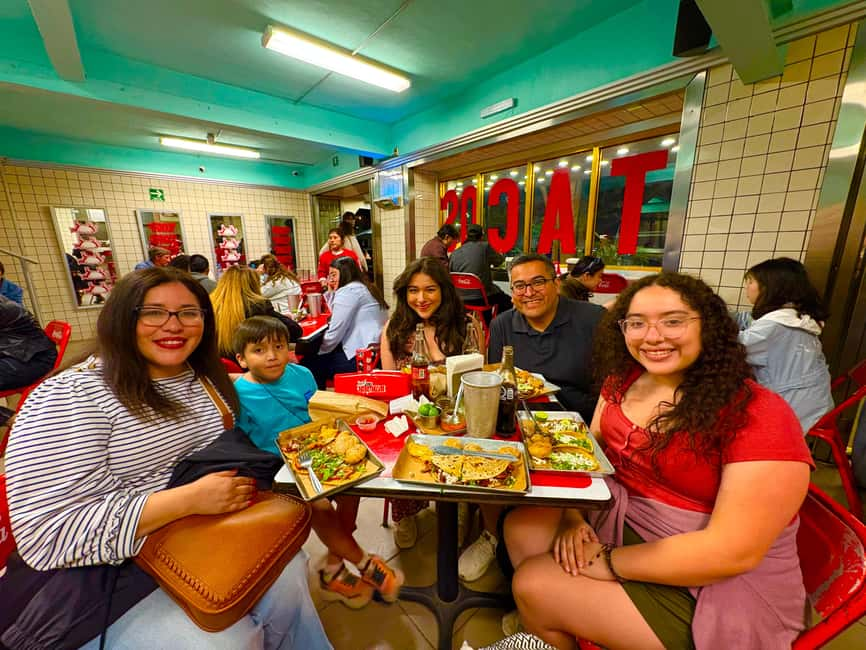
Roma and Condesa are well suited to people who like browsing without a rigid shopping agenda. The experience can include low-profile art galleries, Mexican fashion and jewelry shops, bookstores, vinyl record stores, antiques, interior design stores, and other small businesses.
The gallery visits are particularly useful because they give the walk more depth than a café crawl. One stop on a walk included an art gallery that left a strong impression, and the guides can explain the local art scene in a way that a casual passerby cannot. The galleries are not presented as a guaranteed list, so opening hours and the day’s route matter.
Music is part of the neighborhood story too. The tour may point out record shops, music-related places, or local connections that help you see Roma and Condesa as creative districts rather than simply fashionable areas. If vinyl, design, or contemporary art matters to you, say so at the start.
You should also leave room for browsing. A shop may only take 10 minutes, but a record store or Mexican design shop can easily tempt you into staying longer. The more you stop, the less ground you cover, especially if you are also eating. That is not a flaw, but it is a tradeoff worth understanding.
Río de Janeiro Plaza and the final stretch
Río de Janeiro Plaza is listed as a 20-minute visit and provides another clear pause near the end of the route. Like Mexico Park, it gives the walk a place where you can look around, hear more neighborhood context, and take photographs.
The square is part of the architectural and public-space story of Roma. Your guide can connect the buildings and street layout to the broader character of the area, while also pointing out nearby cafés, restaurants, galleries, and shops for later.
The final section may feel more personal than formal. Guides have taken groups to bars, cinemas, food outlets, galleries, markets, bakeries, and unusual local businesses. One walk included a tequila house, a pulquería, and a family bar revived by the owner’s grandson. These stops show the range of the neighborhood, but they also confirm that the route can change considerably.
If you are hoping to end at a specific restaurant or shop, ask your guide early. The tour does not include transport back to your hotel or to another part of Mexico City, so plan your next move before the walk finishes.
What the guides add to the experience
The strongest part of this tour is the guide’s role. Laila, also spelled Leila in some tour information, is repeatedly described as warm, flexible, and deeply familiar with the area. She has contacted guests before the walk to ask what they want to see, then adjusted the route around food, music, art, and local life.
Jorge brings a clear interest in history and architecture. He has offered strong English-language explanations, arrived early for a meeting, and included churros and hot chocolate on one extended walk. David has been praised for keeping the tour lively while discussing architecture, culture, and food.
Desiree has also shaped walks around personal interests and included places that would be easy to miss without local help. The guide team may include an apprentice or more than one guide, depending on the departure.
Do not book this expecting every guide to lead in exactly the same style. That variation is part of the experience. One guide may focus on buildings, another on restaurants, another on art or neighborhood stories. If you have a strong priority, state it when you meet or in advance if possible.
Pace, access, and practical comfort
The advertised duration is three hours, but the real pace can vary. Some guides have spent extra time with groups, and one reported outing lasted about four hours. Another group covered roughly six miles in around two hours before continuing its experience.
That makes this a poor choice if you need a tightly timed activity before a reservation or flight. It is a good choice if you can let the neighborhood set the rhythm.
Wear walking shoes with real support. You will be on city streets, and the route includes parks, markets, shops, and several stops rather than one contained site. Bring a reusable water bottle, a camera, and clothing suited to changing weather. Mexico City conditions can shift during the day, so a light extra layer is sensible.
The experience is wheelchair accessible, though the practical ease of any individual street or shop can depend on the route used that day. Meals, drinks, transport, and shopping are not included. At $58 per person, the value comes mainly from the guide’s time, local recommendations, translation if needed, and access to places you might not identify on your own.
For a three-hour private-feeling introduction, that is a reasonable price if you plan to use the advice afterward. It is less compelling if you only want a free-form stroll and do not care about food, art, shopping, or neighborhood context.
Who should book this walk
I would choose this tour early in a Mexico City stay if Roma or Condesa is where you are staying. It can save you several days of trial and error when choosing cafés, restaurants, markets, bars, galleries, and shops.
It is also a strong match for solo visitors, couples, and small groups who want a social walk without a formal lecture. The friendly guide style can make the outing feel like a local showing you around, especially when the route is adjusted to your interests.
Food-focused visitors should be ready to pay for their own snacks and say clearly what they can and cannot eat. Art and design fans should ask for galleries, vinyl, interiors, jewelry, or Mexican fashion. Architecture fans should request more background on the buildings and public spaces.
I would skip it if you dislike walking, want a fixed list of major sights, or need every minute controlled. The route is flexible, and that flexibility is its main strength.
Should you book Mexico City’s Roma and Condesa walk?
Book it if you want more than attractive streets and café photos. The combination of parks, markets, galleries, food advice, local shops, and neighborhood stories gives you a useful working map of Roma and Condesa.
The best reason to go is the guide-led access to the city’s small details: a bakery you might otherwise miss, a family bar, a community garden, a record shop, or a place for excellent churros. Just allow extra time, wear strong shoes, and keep some cash or spending money available for food and shopping.
With free cancellation up to 24 hours before the activity, and a reserve-now, pay-later option, the booking terms are flexible. At $58, I consider it good value for a curious first look at these neighborhoods, especially if you plan to return to the places your guide recommends.
FAQ
How long does the Roma and Condesa walking tour last?
The advertised duration is three hours. The actual outing can vary, and some guides may spend extra time with your group.
Where does the tour meet?
You meet outside Centro Cultural Bella Época.
Which languages are available?
The live tour guide may lead the experience in Spanish, English, French, or German.
Are food and drinks included?
No. Meals and beverages are not included, so bring money if you want churros, coffee, tacos, ice cream, or other food along the way.
Is the tour wheelchair accessible?
Yes, the experience is listed as wheelchair accessible.
What should I bring?
Wear comfortable walking shoes, carry a reusable water bottle, bring a camera, and dress for changing weather conditions.
Just added around Mexico City
- Kayaking on the Island of Sacrifices★ 5.0 · 49 reviews
- Paragliding in Valle de Bravo★ 5.0 · 188 reviews
- Hot Air Balloon Flight and Tour of the Majestic Pyramids★ 4.5 · 38 reviews
- Balloon flight / Breakfast in the cave / CDMX pick-up + Pyramids★ 5.0 · 54 reviews
- Hot air balloon ride with breakfast in Cueva from CDMX★ 5.0 · 47 reviews
- Africam safari (private tour)★ 5.0 · 33 reviews
- Lucha Libre, Tacos, Margaritas,Tequila and Night Market Tour★ 5.0 · 64 reviews
- Riviera Maya: Frida Kahlo Museum Guided Tour 2025★ 4.1 · 54 reviews
Walking Tours, compared.
Frida Kahlo VIP [Museum Tickets Included] Walk, Markets & Churros
Read our review →
Puerto Vallarta’s Best Canopy Zipline + Jorullo Bridge walk
Read our review →
Historical and Cultural Walking Tour of San Miguel de Allende
Read our review →
Tacos and Tequila Walking Tour with Taste of Miguel
Read our review →Browse the lists this tour appears in