

Reviewed · TURTLE SWIM TOURS
Baby Sea Turtle Releasing Sightseeing Tour with Luis de la Maza
Tiny turtles scramble over wet sand toward the Pacific, each one carrying the long odds of survival. That is the heart of this baby sea turtle release near Juluchuca, a rural beach experience about 40 to 60 minutes south of Zihuatanejo and Ixtapa.
I like two things right away: you get a real look at local conservation work, and the trip takes you far from the resort strip to a quiet beach where turtles still nest. The guides, including Luis, Francisco, Juan, Pablo, and Paco, bring useful local stories and clear explanations.
The main drawback is the long drive for a three-and-a-half-hour outing. This is also a simple, working turtle nursery, not a polished attraction. At $65.75 per person, you are paying for transport, guiding, and access to a meaningful conservation visit, not for luxury.
Key points to know before booking
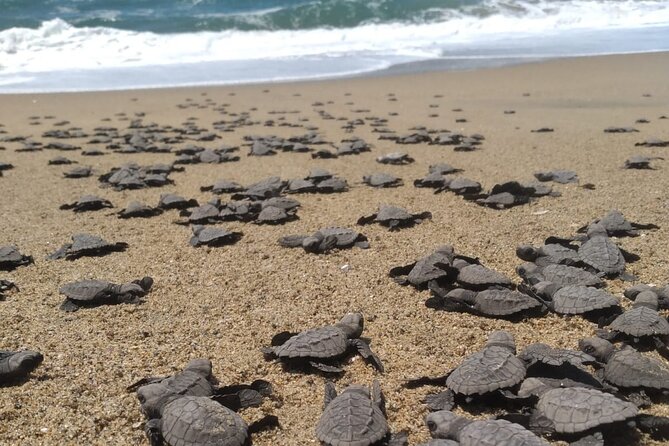
- Baby turtles head for the sea: You help release hatchlings from the wet sand, about 25 feet from the water, then wait until they reach the ocean.
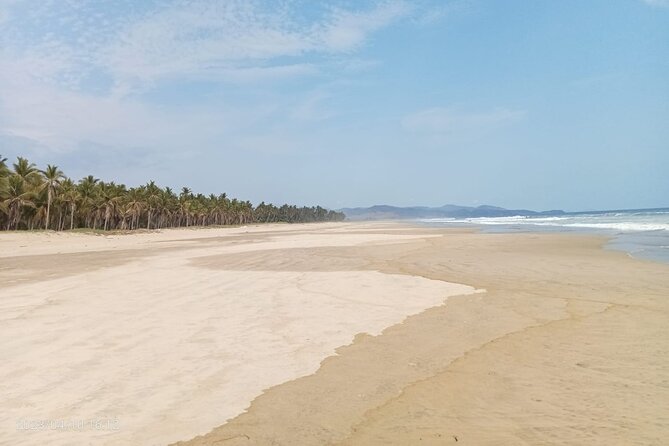
- Juluchuca feels genuinely rural: The beach is long and secluded, with coconut production and small local communities along the route.
- The lesson comes first: Expect about 20 minutes on turtle life cycles, local species, and the predators that threaten hatchlings.
- You may see a nest hatching: The local team selects a nest that is ready, gathers the hatchlings briefly, and releases them when they are active.
- The ride is part of the outing: An air-conditioned vehicle is included, and some departures use an ATV for the final stretch to the beach.
- Plan around the afternoon: Pickup starts at 2:00 pm, and the total outing lasts about 3 hours and 30 minutes, including driving.
Why Juluchuca makes this more than a quick turtle photo
The trip begins with hotel pickup at 2:00 pm. Luis or another guide meets you in the lobby and confirms your name, so be ready five minutes early. The van ride carries you through Zihuatanejo, Ixtapa, and smaller communities before reaching Juluchuca.
That drive matters. You see a less resort-focused side of the region, with rural homes, coconut production, and local life along the road. Guides such as Luis and Paco have used the ride to explain the towns, Mexican history, and local livelihoods. With air conditioning and commentary along the way, the drive becomes part of the outing instead of dead time.
The route takes roughly 40 to 60 minutes, depending on your starting point and road conditions. If you are staying in Ixtapa, expect the longer end of that range. A few hours of the tour are not spent at the beach, so you should book this for the conservation experience itself, not simply because you want a short excursion.
Juluchuca is known for coconut macaroons and its long, secluded beach. More important for the turtles, the beach is away from the noise of the main resort towns. Female turtles can come ashore to lay eggs along this quieter stretch, and local caretakers work to protect the nests.
More Turtle Swim Tours in Mexico:
- Half-Day Sea Turtle and Cenote Snorkeling Tour from Cancun & Riviera Maya
★ 5.0 · 2,039 reviews - Tulum Ruins, Turtles in Akumal and Cenote tour
★ 5.0 · 1,706 reviews - 5-in-1 Cancun Snorkeling: Turtles, Reef, Musa, Shipwreck, Cenote
★ 4.5 · 1,678 reviews
The turtle lesson before the release
At the beach, you first hear about the life cycle of sea turtles. The presentation covers three kinds of turtles that lay eggs in this part of Mexico, along with the threats they face before reaching the ocean and after they enter it.
This short explanation gives the release some needed context. Without it, holding a basket of hatchlings could feel like a cute photo stop. With it, you understand that the tiny animals are beginning a difficult journey and that the rescue work is meant to improve their odds.
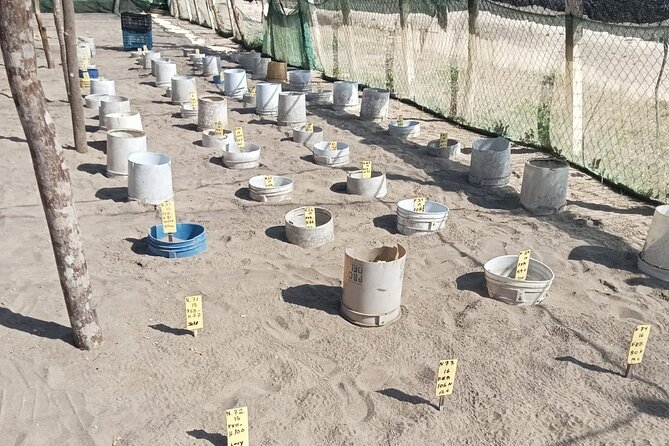
The local team also explains the nests. One nest found the day before is carefully opened just enough to show an egg, then covered again. The point is not to excavate the nest for display. It is a brief look at what lies under the sand, followed by a return to the nest’s protected condition.
You then watch a nest that is hatching. The turtles work their way toward the surface, and the caretakers gather them in a small container for about 10 to 20 minutes. They wait until the hatchlings are active and ready to move.
That pause is short, but it helps the release happen in an orderly way. This is not a petting session. The turtles are handled as little as possible, and the goal is to get them safely to the starting point on the beach.
Releasing hatchlings from the wet sand

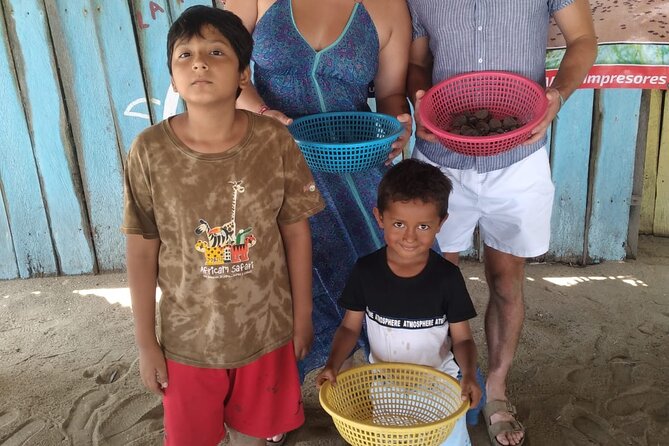
The most memorable part comes when the turtles are taken to the wet sand, roughly 25 feet from the water. You may be given a small basket or container with hatchlings, depending on the group and the day’s hatch.
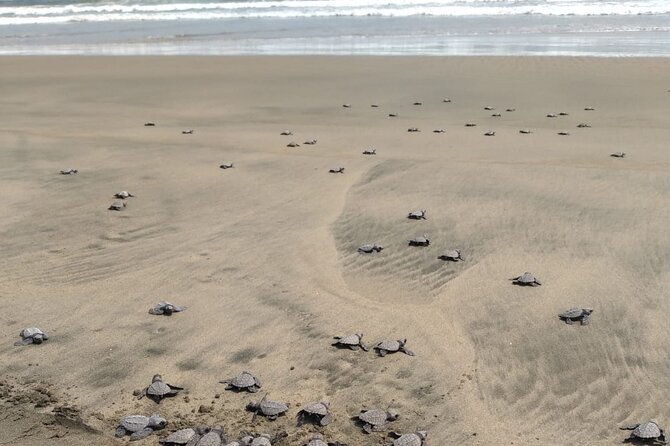
The turtles are placed on the sand, and you watch them crawl toward the ocean. The caretakers wait until all of them reach the water. That final wait is important. It keeps the activity from ending as soon as the hatchlings disappear from your hands.
You can take photos, but keep the moment simple. The experience works best when you watch the movement of the group and let the tiny turtles set the pace. The young turtles do not need cheering, posing, or repeated handling. The beach, the sound of the surf, and the slow scramble toward the water are enough.
Several departures have released dozens of hatchlings, and some have included more than one species. The exact number varies because the tour depends on which nest is ready that day. You should not expect a fixed count or a guaranteed species mix.
Predators are part of the explanation. Birds and other animals can threaten the hatchlings on the beach, which is one reason the group watches until they reach the water. Once offshore, the dangers continue. The guides put the release into perspective without turning it into a gloomy lecture.
The people behind the turtle nursery
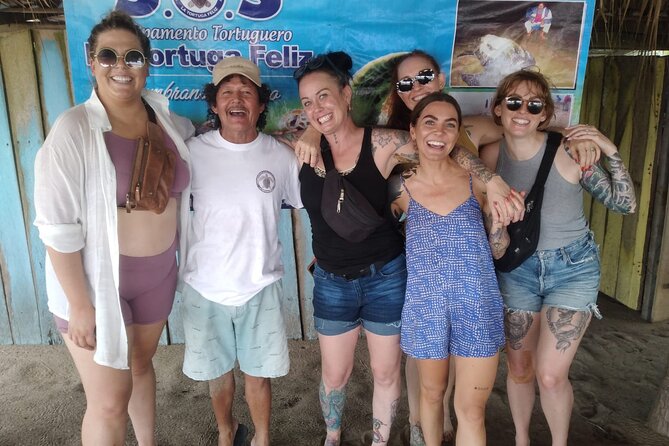
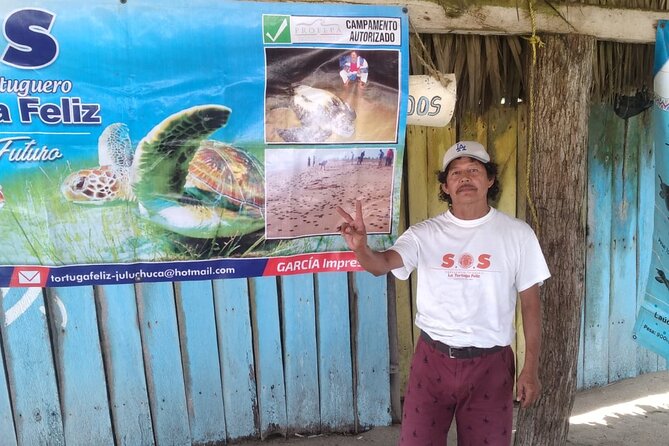
The beach work is led by local caretakers who patrol nests and protect the hatchlings. The names Balthazar, Balta, Freddy, and Julio come up in connection with the local turtle operation, while Luis and the other tour guides help explain the work in English.
That division is useful. The local team handles the turtles and knows the beach. Your transport guide handles the route and translation. On some departures, the guide is Luis. Other guests have gone with Francisco, also called Paco, Juan, Pablo, or Ran. The exact guide is not fixed in the information provided, but each role is clear.
The conservation group has been described as La Tortuga Feliz, or Happy Turtle. The work covers a long stretch of nesting beach, with local caretakers protecting adult turtles, nests, and hatchlings. The operation is basic, and one important point is that the caretakers rely on limited resources and community help.
That makes a modest donation worth considering if you feel moved by the work. It is not listed as part of the $65.75 tour price, so do not assume it is included. Bring small cash only if you want to contribute, and ask the guide how to do so appropriately.
A few more Mexico days worth comparing
- Private Ixtapa and Zihuatanejo City Tour
★ 5.0 · 137 reviews - Ixtapa Island Tour
★ 4.5 · 134 reviews - Xihuacan Culture and Archaeology Tour
★ 5.0 · 116 reviews - Las Gatas Kayaking and Snorkeling Tour
★ 5.0 · 110 reviews
The ATV ride and the rustic side of the outing
The official tour details promise an air-conditioned vehicle, but several departures have included a short ATV ride from the village to the beach. The ride has been described as roughly a mile over a rough road, through coconut trees and vegetation.
This is one of the parts that gives the visit its local character. It is not a smooth transfer to a visitor center. You may find yourself bouncing along a basic track before reaching the beach and turtle nursery. That can be fun, but it also means the outing is not designed for someone seeking a polished, easy-access attraction.
Because the ATV portion is described in individual trip accounts rather than the main tour details, treat it as a possible part of the day, not a guarantee. Ask at booking if it matters to you. The same applies to food. One departure included tasty local food at the site, but dinner is specifically not included, so bring your own expectations and do not count on a meal.
The setting is deliberately plain. You may see a hut, baskets, a nursery area, sand, surf, and the people doing the work. That is part of the value, but it also explains why one person may find the tour too basic for the price.
Is $65.75 a fair price?
The price is $65.75 per person. Included are hotel pickup, an air-conditioned vehicle, guide service, and all listed fees. Dinner is not included.
The value depends on how you would otherwise reach Juluchuca. If you rent a car or arrange a private transfer, you might pay less for transport, especially if you are traveling with several people. One complaint about the outing was that the guide mainly provided the ride to and from the turtle center, while the local team delivered the beach presentation.
That criticism is worth taking seriously. The turtle caretakers are the specialists on the beach, and the transport guide’s role can feel more important during the drive than during the actual release. If your only goal is to reach the nursery as cheaply as possible, compare the cost of independent transport.
I think the price makes more sense if you value hotel pickup, an English-speaking guide, commentary along the route, and a simple way to reach a remote beach without sorting out transport yourself. It also helps if your guide, such as Luis or Paco, adds local context during the drive.
This is not a luxury tour. It is a small-scale conservation outing with a long transfer. Pay for it because you want the full experience and the convenience, not because you expect an elaborate facility.
Who will enjoy this tour most?
Families often find the release especially effective. A teenager who has little interest in a standard sightseeing drive may pay close attention once the hatchlings begin moving. The experience gives children a clear, hands-on way to understand conservation, while the guides explain the bigger picture.
Couples also have plenty to enjoy, especially if you like quiet beaches and nature. The release can be moving without being staged. You are watching a natural process with a human helping hand, then letting the turtles go.
This tour suits you if you:
- Want an experience away from the resort zone
- Care about wildlife protection and local conservation
- Are comfortable with a long ride and a rustic setting
- Can stand on sand and wait while the hatchlings reach the water
- Prefer a small local operation to a polished attraction
You may want another activity if you need a short outing, dislike bumpy transport, or expect a fixed schedule with guaranteed animal sightings. The turtles hatch on their own timetable, so the exact number and type of hatchlings can vary.
The group limit is 30 people, though some departures have ended up much smaller or even private. A smaller group will make the beach portion feel calmer, but the maximum allows for a busier visit on popular dates.
Timing, weather, and practical details
The tour starts at 2:00 pm and lasts about 3 hours and 30 minutes, including travel. That puts you back in the Zihuatanejo or Ixtapa area in the evening, depending on traffic and the day’s pace.
Wear practical beach clothing and shoes you can use on sand. The information provided does not list a required dress code, but the outing includes a beach release and may include an ATV transfer. A hat, water, and sun protection are sensible additions, even though the vehicle is air-conditioned.
The tour is offered in English, and confirmation arrives when you book. Most people can take part, but the information does not give detailed accessibility guidance. If you have concerns about the ATV ride, beach walking, or standing on sand, ask the operator before paying.
Good weather is required. If poor weather cancels the outing, you can receive a different date or a full refund. You can also cancel for a full refund up to 24 hours before the start time. Cancellations within 24 hours are not refunded, and changes are not accepted inside that window.
The activity is often booked about 19 days ahead. That is a useful clue for planning, especially if your trip dates are fixed. I would not wait until the last day if releasing turtles is high on your list.
My take on the conservation value
The strongest part of this experience is its connection to local people doing difficult work on a remote beach. You are not only watching animals through glass. You learn why nests are protected, see an egg from a nearby nest, watch hatchlings surface, and help give them a clear start toward the water.
Still, it is important to keep the activity in proportion. Releasing a turtle does not mean you have saved it for life. The dangers continue once it enters the sea. The value comes from supporting and understanding the protection work, not from treating the release as a guaranteed rescue.
That honest context makes the experience stronger. The hatchlings are adorable, but the lesson is about survival, predators, fragile coastal habitats, and the people who patrol the beach. You leave with more than a photograph if you pay attention.
Should you book the Juluchuca turtle release?
Book it if you want a hands-on conservation experience and do not mind spending much of the afternoon in transit. The 4.9 rating from 111 reviews and 98 percent recommendation reflect a very strong overall response, but the one serious criticism remains fair: the trip can feel expensive if you see it only as a shuttle to the turtle center.
For families, nature lovers, and anyone seeking an authentic rural outing near Zihuatanejo, I think it is worth considering. Ask whether the day will include the ATV transfer, which guide is assigned, and whether hatchlings are expected to be ready. If you want a refined facility or a short excursion, skip it.
For everyone else, the image of baby turtles crossing the wet sand toward the Pacific is a pretty good reason to make the long ride.
FAQ
Where does the baby sea turtle release tour take place?
The tour travels from Zihuatanejo or Ixtapa to Juluchuca, a rural coastal community with a long, secluded beach where sea turtles come ashore to lay eggs.
What time does the tour start?
Hotel pickup begins at 2:00 pm. You should be ready in your hotel lobby five minutes before pickup.
How long does the tour last?
The total duration is about 3 hours and 30 minutes, including travel time.
What happens during the turtle release?
You learn about local sea turtles and their life cycle, see an egg from a recently found nest, watch a hatching nest, and help release active hatchlings from the wet sand about 25 feet from the ocean.
Are transportation and guide service included?
Yes. The tour includes an air-conditioned vehicle, guide service, and all listed fees. Some departures have also included a short ATV ride to the beach.
Is food included?
Dinner is not included. One departure included local food at the site, but you should not assume that a meal is part of every tour.
What happens if bad weather cancels the tour?
If poor weather causes cancellation, you can choose another date or receive a full refund. You can cancel for a full refund up to 24 hours before the start time, but cancellations within 24 hours are not refunded.
Just added around Mexico
- Snorkel with Whale Sharks in La Paz★ 5.0 · 42 reviews
- La Paz Whale Shark & Sea Lion Snorkeling + Balandra Tour★ 5.0 · 78 reviews
- Private Trip Espiritu Santo Island★ 5.0 · 59 reviews
- All-Inclusive Catamaran Tour | Beaches & Sea Lions from Los Cabos★ 4.5 · 37 reviews
- La Paz Beaches Half Day Tour★ 4.5 · 54 reviews
- Gray Whale Watching Tour with Marine Biologist and Small Group★ 5.0 · 37 reviews
- Espiritu Santo Island and sea lions★ 5.0 · 50 reviews
- Full Day Gray Whale Watching Experience★ 5.0 · 53 reviews
Turtle Swim Tours, compared.
Half-Day Sea Turtle and Cenote Snorkeling Tour from Cancun & Riviera Maya
Read our review →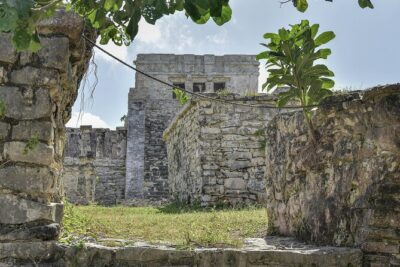
Tulum Ruins, Turtles in Akumal and Cenote tour
Read our review →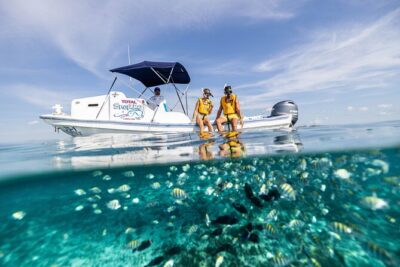
5-in-1 Cancun Snorkeling: Turtles, Reef, Musa, Shipwreck, Cenote
Read our review →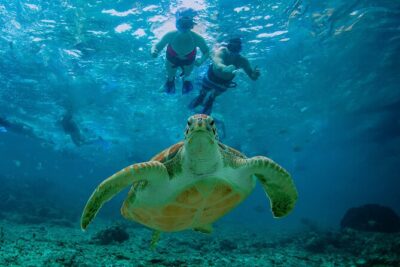
Hidden Cenote Swim: Snorkeling, Sea Turtles and Beachside Lunch
Read our review →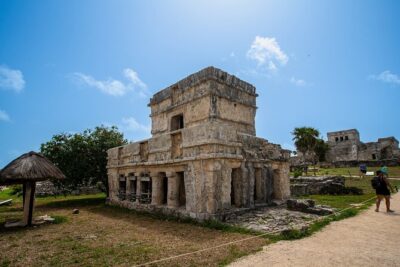
Full Day Tulum Ruins Tour Cenote and Swimming with Sea Turtles
Read our review →
With Turtles, Shipwreck, Cenote, and Reef and Transport Included
Read our review →
4 Hour Cozumel Turtle Sanctuary Experience on a Luxury Catamarán
Read our review →Browse the lists this tour appears in