
Reviewed · CHIAPAS TOURS
From San Cristóbal: Chamula and Zinacantán Guided Tour
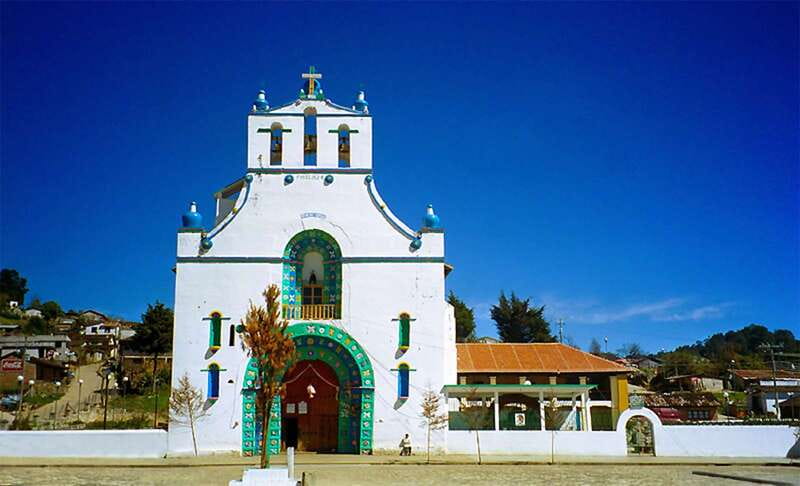
The most remarkable part of this half-day outing is San Juan Chamula’s church, where pine needles, candles, and Indigenous rituals create an atmosphere unlike a standard Catholic service. In Zinacantán, you shift from sacred tradition to daily life, meeting Tzotzil Maya women who weave on pre-Columbian waist looms and prepare handmade tortillas.
I like the way the tour joins two very different communities in one morning, and I like the practical value: transport, guide, and entrance fees are covered for $32. English-speaking guides such as Miguel and Alonso have been especially praised for explaining customs clearly. The main drawback is that the weaving visit can feel brief and sales-focused, with some textiles priced higher than in town.
Key points to know before you go

- Chamula’s church is the emotional center: Expect pine needles on the floor, hundreds of candles, and private Indigenous rituals. Photography and video are not allowed.
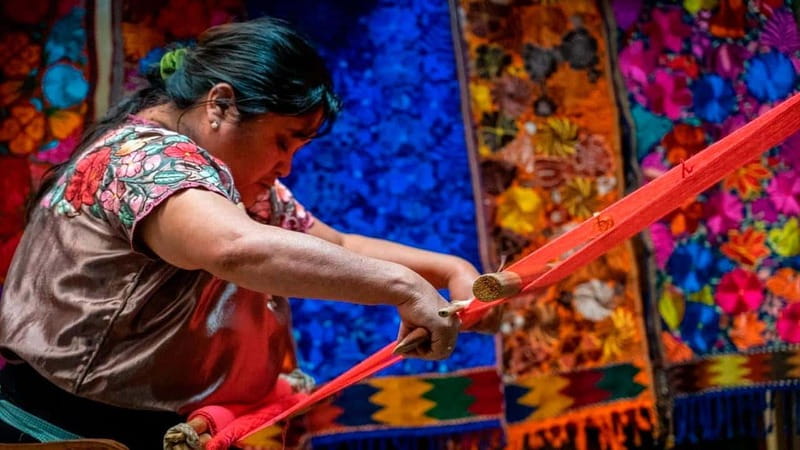
- Zinacantán offers a closer look at daily work: You can watch women use traditional waist looms and enter a family cooperative’s kitchen.
- Food and drinks add real flavor: The visit may include pox, local coffee, handmade tortillas, cheese, and bean tacos.
- The guide matters here: Miguel and Alonso have received strong praise for clear English, warmth, and detailed explanations.
- The outing is compact and practical: The full trip lasts about five hours, with roughly 90 minutes in each community.
- Bring restraint as well as curiosity: Chamula is a working place of worship, not a staged show, and you should treat the rituals with care.
Why Chamula feels unlike any church you know
The first stop is San Juan Chamula, about 25 minutes from the meeting point at Al Grano Café in central San Cristóbal de las Casas. You travel in an air-conditioned minivan, a useful comfort in a highland region where weather can shift quickly.
The town is known for its Tzotzil Maya population and for religious practice that blends Catholic forms with older Maya beliefs. Your guide gives you the background needed to understand what you are seeing, rather than leaving you to stare at an unfamiliar ritual with no context.
Inside the church, the mood is quiet and intimate. Pine needles cover the floor, candles burn in rows, and worshippers carry out personal ceremonies. The setting is often described as tranquil, but it can also feel intense because the rituals are conducted for local people, not for an audience.
That distinction matters. You are observing an active place of worship. The ban on cameras and video is strict, and it is a good rule. Put the phone away, listen to the guide, and avoid treating the service as a spectacle. One of the useful points your guide can explain is how Catholic images and church architecture sit alongside Indigenous beliefs and practices.
You receive about 90 minutes in Chamula, including the guided visit. That is enough time to see the church and understand its role without turning the stop into a long lecture. The strongest guides make this part more than a list of dates. Miguel, in particular, has been praised for explaining what is happening in clear English, while Alonso has been noted for switching easily between English and Spanish.
The chief strength of Chamula is its difference. This is not another pretty colonial church with a familiar service. The chief concern is personal comfort. If you dislike observing private religious acts, even respectfully, this stop may feel intrusive. Go with humility and follow the guide’s instructions.
A few more San Cristobal De Las Casas days worth comparing
- San Cristóbal: Canyon, Viewpoints & Chiapa de Corzo Tour
★ 4.7 · 231 reviews - San Cristóbal: Agua Azul, Misol Ha & Palenque Experience
★ 4.3 · 186 reviews - Sumidero Canyon and Chiapa de Corzo Tour Compartido
★ 4.6 · 131 reviews
The short ride to Zinacantán
The drive from Chamula to Zinacantán takes about 15 minutes. That short transfer keeps the morning moving and leaves plenty of time for the second community.
Zinacantán is another Tzotzil Maya town, but the focus changes. Here, you learn through craft, food, and conversation. The visit centers on a family cooperative where women work with traditional looms and produce Indigenous textiles.
The contrast between the two stops is one reason the tour works well. Chamula shows you belief in a solemn setting. Zinacantán shows you skill and household life in a more relaxed setting. You are not simply visiting two churches or two markets. You are seeing different parts of community life.
Your guide should explain the meaning of the textiles and the role of the loom, though the amount of detail can vary. Some guides have offered a full explanation and answered many questions. At other times, the weaving demonstration has felt quick, with limited discussion. If you want to understand the process, ask questions while the women are working.
Watching a waist loom in Zinacantán

The weaving is done on a pre-Columbian waist loom, a compact tool that connects the weaver’s body to the work. You can watch the process at close range and see how patterns are made by hand rather than by an industrial machine.
This is a good place to slow down. The value is not only in the finished cloth. It is in seeing the patience, hand control, and family knowledge behind each piece. The textiles are also practical souvenirs because they connect directly to the community you have just visited.
The cooperative visit includes time to browse and buy local looms, clothing, and other Indigenous crafts. Prices may be higher than in central San Cristóbal, and one part of the visit can feel like a sales presentation. That does not make the work less genuine, but it does mean you should shop with clear expectations.
If you want to buy something, examine the fabric, ask what was made by hand, and compare prices before committing. You are supporting local artisans, but you are also making a purchase. Both facts can be true at once.
The visit is often described as welcoming rather than forced. You may be offered a regional drink and invited into the kitchen to see tortillas being made. That household setting gives the stop a human scale that a regular craft shop cannot match.
Pox, coffee, tortillas, and tacos

Food is a small but memorable part of the Zinacantán visit. You may taste pox, the local liquor, along with regional coffee. The pox tasting is typically brief, but it gives your guide a chance to explain a drink linked to Chiapas culture.
You can also be invited to taste handmade tortillas. Some visits include cheese and bean tacos, which provide a simple meal-sized snack rather than a full restaurant lunch. The fresh tortillas and tacos have been among the most warmly praised parts of the outing.
Do not book this as a food tour. The included tasting is an added benefit, and the activity information does not promise a full meal. Food and drinks are listed as not included in the tour price, so bring money if you want additional purchases.
The kitchen visit is especially useful because it connects the textiles to ordinary life. You see not only what people sell, but also how food is prepared at home. That said, the exact refreshments can vary, so think of pox, coffee, and tacos as likely highlights rather than a fixed menu.
A completely different kind of day out, same trip:
- From San Cristobal: Sumidero Canyon & Chiapa de Corzo Tour
★ 4.6 · 102 reviews - Customs of indigenous villages of Chiapas
★ 5.0 · 76 reviews - From San Cristóbal: Agua Azul and Palenque Day Trip
★ 4.2 · 75 reviews - Sumidero Canyon, Chiapa de Corzo Magical Town from San Cristóbal de las Casas
★ 4.0 · 70 reviews
Is $32 a fair price?

At $32 per person, this is good value if you want both communities and prefer not to arrange transport yourself. The price includes an air-conditioned minivan, a guide, and entrance fees. You also get roughly three hours of guided time, split between Chamula and Zinacantán.
The short transfers help. From Al Grano Café, the ride to Chamula takes about 25 minutes, the move to Zinacantán about 15 minutes, and the return to San Cristóbal about 25 minutes. Traffic can change those estimates, but this is still a compact half-day plan.
The value depends on your expectations. You are paying for interpretation as much as transport. These communities are easy to visit physically, but harder to understand without someone explaining language, custom, belief, and history in context. A strong guide can make the difference between a puzzling church visit and a meaningful one.
The weak point is the cooperative shopping stop. If you dislike organized buying opportunities, you may feel that too much attention goes to textiles and the quality of one producer compared with another. You can browse without buying, but you should know that shopping is part of the design.
What the guide adds to the morning

This tour needs a good guide. The churches and workshops are interesting on their own, but the meaning is not always obvious.
Several guides have been praised by name. Miguel is noted for strong English and careful explanations, especially at Chamula. Alonso and Alfonzo have also been praised for humor, empathy, and the ability to guide in both English and Spanish. The exact guide depends on the departure, so you should not assume one particular person will lead your group.
The best guiding here does three jobs:
- It explains what you are seeing without turning religious practice into entertainment.
- It translates questions and answers when language is a barrier.
- It gives you enough local context to understand why the two communities differ.
Some activities within the Zinacantán visit may be explained mainly in Spanish. If you need English for every part, ask the guide directly. English and Spanish tours are available, but the amount of English at informal tastings or demonstrations may vary.
I also appreciate that a good guide leaves room for questions. One of the strongest accounts of the tour describes a guide who led the group everywhere and explained each part, rather than giving a short talk and sending people off alone. That approach suits this outing because the details matter.
Timing, comfort, and what to pack

The activity lasts five hours and begins and ends at Al Grano Café, Portal Oriente 9, Colonia Centro, San Cristóbal de las Casas. The route is straightforward, with three van rides and two guided stops.
Wear comfortable shoes. You will spend time walking and standing in churches, town streets, and the cooperative. Comfortable clothing is also wise because the trip runs in all weather conditions.
Bring a passport or other identification. Cameras and video recording are not allowed, particularly in connection with the church visit. Even if you see other people using phones, follow the stated rule and keep recording equipment put away.
Children must be accompanied by an adult, and unaccompanied minors are not accepted. The activity is not designed as a free-roaming shopping trip. You stay with the guide through the main visits, which is helpful if you want structure and explanations.
Free cancellation is available up to 24 hours before the tour, and you can reserve now and pay later. Those terms help if your San Cristóbal plans may change, but check the available departure time when booking because the starting schedule can vary.
Who should book this tour?

I would recommend it to first-time visitors to San Cristóbal who want a clear introduction to Tzotzil Maya life. It also suits you if you value cultural explanation more than independent wandering.
You will get the most from it if you are curious about religion, craft, food, and the way older traditions continue in present-day communities. The tour is also a practical choice if you have only half a day and want to see both Chamula and Zinacantán.
You may prefer another arrangement if you want long, unhurried time in one town, dislike shopping stops, or want to photograph every part of a church interior. The camera restriction is firm, and the cooperative visit includes a sales element.
Should you book it?

Book this outing if you want a compact, well-explained introduction to two Tzotzil Maya communities and do not want to manage local transport. Chamula’s church is the strongest reason to go, while Zinacantán adds human contact, weaving, food, and the chance to buy locally made textiles.
At $32, the combination of transport, entrance fees, and guiding is hard to fault. Just arrive ready to observe respectfully, keep your camera away, and treat the craft visit as both a cultural stop and a shopping opportunity. If you do that, this is one of the more useful half-day excursions from San Cristóbal.
FAQ
Where does the tour begin and end?
It begins and ends at Al Grano Café, Portal Oriente 9, Colonia Centro, San Cristóbal de las Casas.
How long does the activity last?
The tour lasts about five hours.
How much time do you spend in Chamula?
The guided visit to San Juan Chamula lasts about 1.5 hours.
How much time do you spend in Zinacantán?
The guided visit to Zinacantán lasts about 1.5 hours.
How long are the van rides?
The ride from Al Grano Café to Chamula takes about 25 minutes. The transfer from Chamula to Zinacantán takes about 15 minutes, and the return to San Cristóbal takes about 25 minutes. Traffic can affect these times.
Is transportation included?
Yes. Transportation is provided by air-conditioned minivan.
Are entrance fees included?
Yes. Entrance fees are included in the tour price.
Is food included?
Food and drinks are not included in the listed price. The Zinacantán visit can include tastings such as pox, coffee, tortillas, cheese, and bean tacos.
What languages are available?
The live tour guide service is available in English and Spanish.
Can I take photos or record video?
Cameras and video recording are not allowed. Bring comfortable shoes, comfortable clothing, and a passport or identification card.
Just added around San Cristobal De Las Casas
- Sumidero National Park Full-Day Trip from San Cristobal★ 4.4 · 66 reviews
- San Cristobal: Zinacantan and San Juan Chamula Tour★ 4.0 · 38 reviews
- San Cristobal: Sumidero Canyon, Chiapa de Corzo, & Miradores★ 4.4 · 63 reviews
- San Cristobal: Cascadas de Chiflon and Lagos de Montebello★ 4.3 · 44 reviews
- San Cristóbal: Sumidero Canyon, Viewpoints & Chiapa de Corzo★ 4.5 · 39 reviews
- Montebello Lakes and Chiflon Day Tour from San Cristobal★ 4.1 · 68 reviews
- Customs of indigenous villages of Chiapas★ 5.0 · 76 reviews
- Sumidero Canyon, Chiapa de Corzo Magical Town from San Cristóbal de las Casas★ 4.0 · 70 reviews
Chiapas Tours, compared.


Horseback Riding Experience in Rancho San Cristobal
Read our review →

Sumidero Canyon and Chiapa de Corzo Tour Compartido
Read our review →

Palenque Ruins, Agua Azul Waterfalls and Misol-Ha
Read our review →Browse the lists this tour appears in