
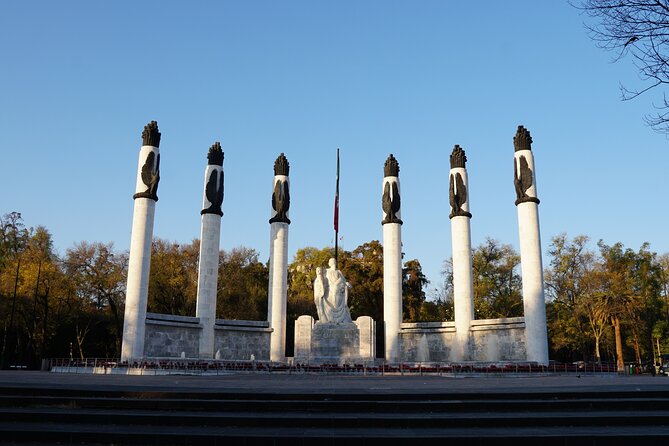
Reviewed · CITY TOURS
Mexico City: 19 City Highlights Bicycle Tour
Mexico City is huge, and this small-group bicycle tour gives you a quick, lively way to understand its shape. In three to four hours, you ride from Roma Sur through Chapultepec, along Reforma, into the Historic Center, and back toward Roma Norte. Guides Yibran and Daniella lead the ride, explain the sights, and keep the group together.
I like two things right away: the route covers far more ground than a walking tour, and the guides take photos and even prepare a short video afterward. I also like the practical help, especially the restaurant and neighborhood suggestions that can shape the rest of your stay. The main drawback is simple: more than 10 miles on a bicycle can feel long, even though the riding itself is described as manageable.
- Sunday makes the ride special: Many major roads close to cars, filling the route with people on bikes, skates, and foot.
- A true city sampler: You see Chapultepec, Reforma, the Zócalo, Bellas Artes, Roma Norte, and several major monuments in one morning.
- Personal guiding: Yibran and Daniella run the tour themselves and provide a second guide for support and safety.
- Photos without stopping to use your phone: The guides take pictures during the ride and share them afterward, along with a short video.
- Best as an early-trip orientation: Use the tour to decide which museums, plazas, and neighborhoods deserve a longer visit.
- Good equipment and a limited group: The tour has a maximum of 10 people and uses bicycles described as high quality.
Why a bicycle is the right way to meet Mexico City

Mexico City rewards a broad first look. Its main sights are spread across several districts, and traffic can make a short taxi ride feel oddly slow. On a bicycle, you get a better sense of how the parks, grand avenues, plazas, museums, and residential streets connect.
This tour is not built around long museum visits. Instead, it gives you short stops, brief explanations, photo opportunities, and time in the saddle. That makes it a city orientation ride, not a substitute for visiting Chapultepec Castle, the National Museum of Anthropology, or the Templo Mayor on your own.
I would book it on your first or second day. After seeing the route, you can return on foot or by public transport to the places that caught your attention. The ride also helps you decide where to eat and which parts of the city fit your interests.
The maximum group size is 10. That is small enough for the guides to keep an eye on the group and answer questions without turning the outing into a crowded procession. Yibran generally leads from the front, while Daniella can ride behind the group and help watch traffic and anyone who needs assistance.
The best day is Sunday

Several practical details point to Sunday as the ideal choice. On Sundays, some main roads close to cars, creating a citywide recreational route filled with bicycles, runners, rollerbladers, and families. You get a much more relaxed ride along streets that can feel intimidating when open to regular traffic.
This is not just a safety benefit. It changes the mood of the city. Instead of watching traffic from the edge of the road, you become part of a large public outing. That open-street atmosphere is one of the most appealing parts of the experience.
A Sunday ride can also be busier with people using the closed roads. The benefit is a more social, festive outing. The tradeoff is that you may need to ride at a slower pace in crowded stretches. If Sunday is not possible, the guides still focus on safety, but the road experience will be different.
Morning is another smart choice. One group finished before lunch and appreciated seeing major tourist areas before they became more crowded. A morning start also leaves your afternoon open for a museum, a meal, or a slower walk through the Historic Center.
More City Tours in Mexico City
- Historic Downtown Walking Tour
★ 5.0 · 1,289 reviews - Historic Center Food Tour in Mexico City
★ 5.0 · 1,263 reviews - Mexico City: Historic Downtown Walking Tour
★ 4.8 · 1,039 reviews
Parque México begins the Roma Sur ride
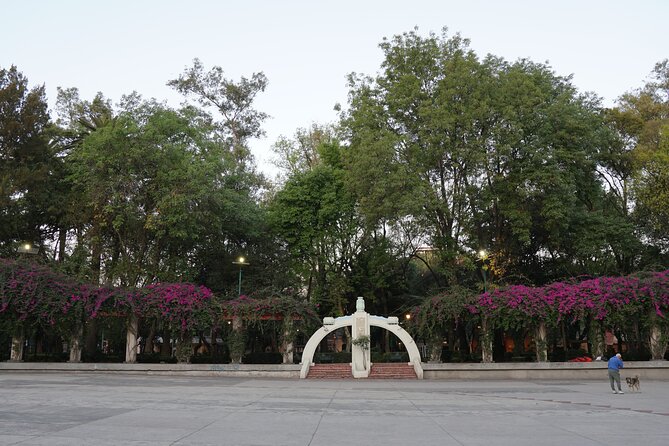
The meeting point is Jalapa 272 in Roma Sur, near public transportation. The opening stop is Parque México, one of the city’s favorite neighborhood parks. You spend about 10 minutes here, enough to hear why the park matters and get comfortable with the group and bicycles.
Parque México is a good place to begin because it introduces a less formal side of Mexico City. The tour does not start with a giant monument or a museum queue. It starts with a local park, then gradually widens into the grand avenues and historic center.
You should expect a short stop rather than a park walk. The goal is to orient you, not to explore every path or building. If you want a full visit to the Roma neighborhood, plan to return later.
Chapultepec links monuments, trees, and royal views
The route then moves toward Chapultepec, one of Mexico City’s most important public spaces and one of the largest urban parks in the world. You stop at the Altar a la Patria, also called the Monument to the Children Heroes, and hear the story behind this memorial.
The tour also points out the Bicentennial monument to Mexican independence. These brief pauses help you connect the city’s public art with its national story, rather than seeing each statue as just another photo stop.
At Chapultepec Castle, you pause for a view and a short explanation. This is not a guided castle visit, so do not expect to enter the rooms, study the exhibits, or spend time on the terraces. If the castle interests you, mark it for a separate visit.
That limitation is actually useful for a first-day ride. You see where the castle is, understand its place above the park, and can decide later if it deserves several hours. The same approach applies to the National Museum of Anthropology nearby. You observe the building and receive some background, but the bicycle tour does not include a guided museum visit.
The museum deserves more time than the 10-minute stop allows. You might return for its major archaeological collections and carefully arranged galleries. Think of the tour’s visit as a preview, not an admission experience.
Reforma brings Mexico City’s grand scale
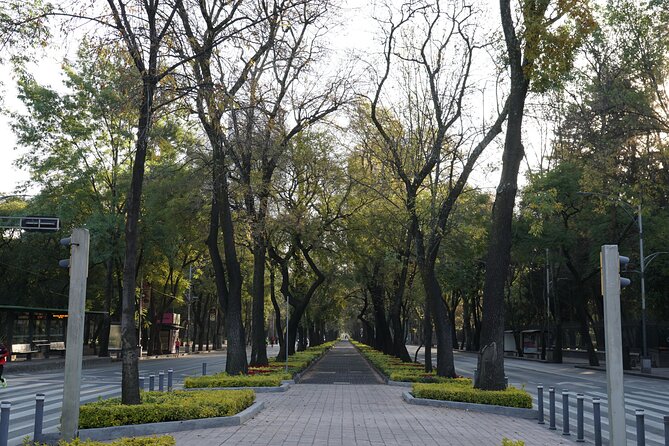
From Chapultepec, the route reaches Paseo de la Reforma and the Angel of Independence. This is one of Mexico City’s most recognizable symbols, rising from a major avenue lined with monuments and city traffic.
The Angel makes a strong bicycle stop because you can see the monument in its full urban setting. The ride also gives you a sense of Reforma as a ceremonial avenue, not just a road between attractions. On Sunday, the closed streets make this section especially enjoyable.
You also see other representative monuments along the way. The itinerary includes the Bicentennial monument and several points where the guides identify important buildings and public spaces. Since the route moves quickly, keep your camera ready, but do not try to photograph while riding. The guides’ photos are a useful bonus here.
A few more Mexico City days worth comparing
- Balloon flight + Breakfast in cave + Pyramids + Pick up CDMX.
★ 5.0 · 6,335 reviews - Balloon flight + pick up in CDMX + Breakfast in Cave + Pyramids
★ 5.0 · 5,651 reviews - Balloon Flight + Cave Breakfast + Pick Up from CDMX or We Fly
★ 5.0 · 4,410 reviews - Hot Air Balloon Flight with Breakfast Cave and Pyramids Tour
★ 5.0 · 2,066 reviews
Bellas Artes and the Alameda area
The ride continues toward the Hemiciclo a Juárez, the white marble monument honoring former President Benito Juárez. You spend about 10 minutes here before moving through one of the oldest parks in the city.
This section gives you a shift in mood. Chapultepec feels broad and green, Reforma feels grand and modern, while the central area brings together older public spaces, formal monuments, and dense city streets.
The Palace of Fine Arts is one of the strongest visual stops. You see the building from outside and receive an introduction to its role in Mexican art and culture. Again, this is not an indoor tour. The 10-minute stop is enough to admire the exterior and understand why you may want to return for a performance, exhibition, or closer look.
For me, this is exactly where the bicycle format earns its price. A walking route from Chapultepec to Bellas Artes would take much longer, while a taxi would separate you from the streets between the landmarks. Riding lets you watch the city change block by block.
The Zócalo and Templo Mayor
The central square, officially Plaza de la Constitución, is the heart of the Historic Center. The tour stops at the Zócalo and gives you time to take in the square and its surroundings.
You should not expect a long architectural lecture or an extended plaza walk. This is a quick introduction, useful for understanding the scale and location of the central district. You can return later to explore the cathedral area, nearby streets, and historic buildings at your own pace.
The next stop is the Museo del Templo Mayor archaeological area. You see the site and hear some of its background, but there is no guided museum or archaeological-area visit included. That distinction matters. If you want the full experience, set aside separate time for the exhibits and ruins.
The Templo Mayor stop is still valuable because it makes Mexico City’s layers visible. The modern city surrounds an important archaeological site, and a brief stop helps you recognize why the Historic Center deserves more than a quick pass.
The Monument to the Revolution and the ride home
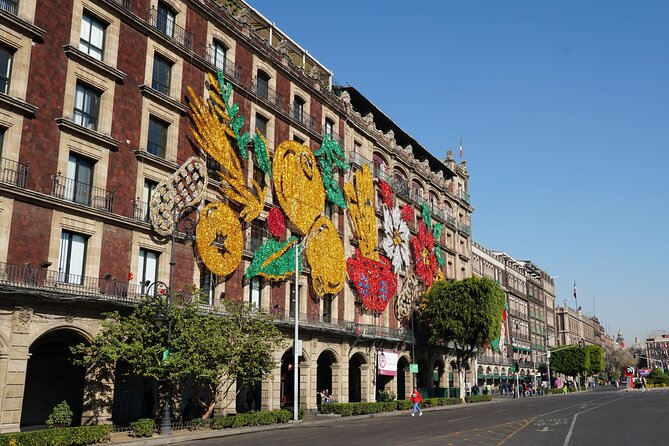
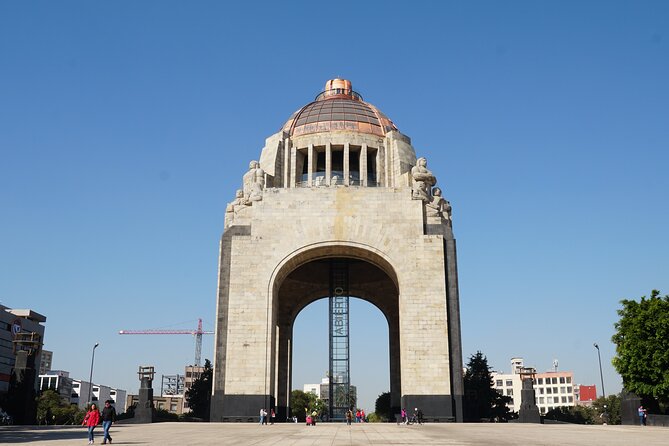
The route continues to the Monument to the Revolution. You see the structure and learn about its connection to the Mexican Revolution, again without an included guided interior visit.
By this point, you have crossed several of the city’s defining zones: Roma Sur, Chapultepec, Reforma, the Historic Center, and the route back toward Roma Norte. That range is the point of the tour. You are collecting a mental map, not checking off attractions one by one.
The ride ends at Coahuila and Calle Orizaba in Roma Norte. The finish is useful because Roma Norte is a good area for continuing your day with food, coffee, or a neighborhood walk. Yibran and Daniella are especially helpful here, offering suggestions for places to eat and drink.
The itinerary lists about an hour and a half at the final portion, while the overall experience runs about three to four hours. Ask the guides about the exact timing on your date, since stops, traffic, group pace, and Sunday road conditions can affect the schedule.
How hard is the ride?

You need a moderate level of physical fitness and basic bicycle skills. The route is long, but several people found the riding itself easy rather than technically difficult. One family with children aged 13 and 15 enjoyed it, and an older rider described the bicycles and pace as comfortable.
Still, do not confuse easy riding with a short ride. Three to four hours on a bicycle can tire you, especially if you are not used to cycling. The distance is one of the few consistent cautions I would give you.
The guides make regular stops for monuments, photographs, and bathroom breaks. They also check whether anyone needs water, food, or a restroom. Bring your own water, since that practical detail is not listed as an included feature.
Wear clothes suited to active riding and bring sun protection. The tour requires good weather, and poor weather can lead to a new date or a full refund. The bicycles are described as high quality, which matters during a ride of this length.
What makes the guiding personal
Yibran and Daniella are the owners and guides, and their husband-and-wife teamwork is a major part of the experience. One leads the ride while the other can follow behind, helping with traffic and watching the group. That arrangement gives you more support than a single guide riding alone.
They also make the tour feel less mechanical. You get historical explanations at the stops, but the practical advice is just as useful: where to eat, where to drink, and which areas deserve more time. The guides are bilingual, and the tour is offered in English, making it workable for mixed-language couples and groups.
A particularly nice touch is the photography. The guides take pictures while you ride and share them afterward. Some groups also receive a short video. You can enjoy the route without repeatedly pulling out your phone, and you finish with something better than a few hurried snapshots.
The one fair criticism is that this is not a formal academic tour in history, architecture, or archaeology. If you want lengthy lectures at every site, you may find the explanations brief. If you want a friendly, active introduction with enough context to make later visits more meaningful, the approach fits well.
Is $71.53 a fair price?
At $71.53 per person, this is not the cheapest way to move around Mexico City. You are paying for quality bicycles, two guides, safety support, a small group, route planning, explanations, and the time saved by linking distant sights in one outing.
You are not paying for extended entries into Chapultepec Castle, the National Museum of Anthropology, or Templo Mayor. Those attractions are preview stops. If you judge the price as a series of museum visits, it will seem high. If you judge it as a half-day orientation through several major districts, the value is stronger.
The included photographs and video add something unusual, though I would still book this for the route and guiding rather than for the media. The most practical value comes from taking it early in your stay and using the rest of your trip more efficiently.
Free cancellation is available up to 24 hours before the start time. Changes or cancellations inside that window are not accepted, and weather cancellations offer a different date or a full refund.
Who should book this ride?
You should consider it if you want to cover a lot of ground, enjoy active sightseeing, or prefer streets and neighborhoods to spending a whole morning indoors. It suits solo visitors, couples, families with older children, and anyone who wants a friendly introduction before exploring alone.
It is also a good fit if you feel uncertain about cycling in Mexico City. The second guide, small group, and attention to safety can make the first ride feel less daunting. Some people become comfortable enough to use the city bike-share system afterward, but that is not part of the tour itself.
You may want another kind of outing if you have limited stamina, dislike traffic, want detailed museum guiding, or prefer a slow pace. The route covers a lot, and the short stops can feel rushed if you want to examine every monument.
Should you book it?
I would book this for the first or second day of a Mexico City visit, ideally on a Sunday morning. You will see the city’s major zones, get useful food advice, receive photos and possibly a video, and learn which places deserve a return visit.
Book it for orientation, local guidance, and a memorable ride, not for full museum entries or long lectures. Bring water, allow for real physical effort, and choose another activity if a three to four hour bicycle outing sounds tiring. For visitors with basic bike skills and moderate fitness, this is a strong way to get your bearings fast and start the trip with a city map in your head.
FAQ
How long is the Mexico City bicycle tour?
The tour lasts approximately three to four hours.
How much does the tour cost?
The listed price is $71.53 per person.
Where does the tour begin?
The meeting point is Jalapa 272, Centro Urbano Pdte. Juárez, Roma Sur, Cuauhtémoc, Mexico City.
Where does the tour end?
The ride ends at Coahuila and Calle Orizaba in Roma Norte.
Is the tour offered in English?
Yes. The tour is offered in English.
How many people can join the tour?
The maximum group size is 10 travelers.
What fitness level is needed?
You should have a moderate physical fitness level and basic bicycle skills. The ride lasts several hours and may cover more than 10 miles.
Does the tour enter Chapultepec Castle?
No guided castle visit is included. You stop to view the castle and hear some of its history.
Does the tour include guided visits to the museums?
No. The stops at the National Museum of Anthropology and the Museo del Templo Mayor are observation and introduction stops, not guided museum tours.
Is Sunday a good day to take the tour?
Yes. The tour is especially enjoyable on Sunday because many roads close to cars, allowing people to bike, run, and skate along them.
Just added around Mexico City
- Kayaking on the Island of Sacrifices★ 5.0 · 49 reviews
- Paragliding in Valle de Bravo★ 5.0 · 188 reviews
- Hot Air Balloon Flight and Tour of the Majestic Pyramids★ 4.5 · 38 reviews
- Balloon flight / Breakfast in the cave / CDMX pick-up + Pyramids★ 5.0 · 54 reviews
- Hot air balloon ride with breakfast in Cueva from CDMX★ 5.0 · 47 reviews
- Africam safari (private tour)★ 5.0 · 33 reviews
- Lucha Libre, Tacos, Margaritas,Tequila and Night Market Tour★ 5.0 · 64 reviews
- Riviera Maya: Frida Kahlo Museum Guided Tour 2025★ 4.1 · 54 reviews
City Tours, compared.
Winner 2025 Downtown Vallarta Food Tour with Vallarta Food Tours
Read our review →
Cabo San Lucas Downtown Food and Tacos Tasting Experience
Read our review →


Bacalar Lagoon Sightseeing Boat Tour with Open Bar and Snacks
Read our review →
Cabo San Lucas and San Jose del Cabo Sightseeing Tour
Read our review →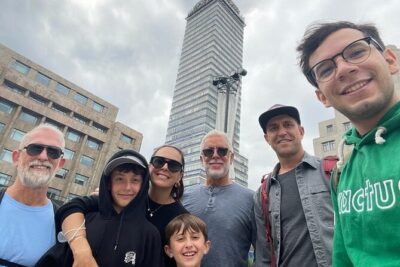
Browse the lists this tour appears in