
Reviewed · COOKING CLASSES
Seafood Cooking Class
Huatulco’s best food lesson may be the one that ends with a full seafood lunch. This three-and-a-half-hour class takes you beyond restaurant ordering and into the kitchen, where you make ceviche, two shrimp recipes, and Baja-style fish tacos with Jane of Chiles & Chocolate.
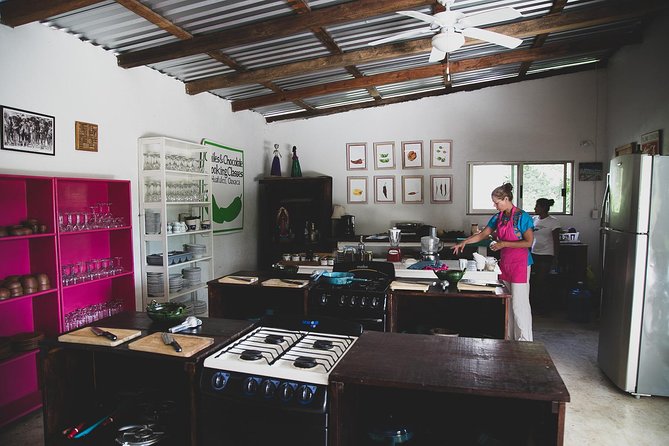
I like the roundtrip pickup, which removes the need to arrange transportation to a venue roughly 20 to 25 minutes from Santa Cruz. I also like the practical menu: these are dishes you can make at home, not decorative restaurant food that depends on equipment you will never own. The main consideration is heat. The cooking area can feel warm on a hot morning, so wear light clothing.
Key details at a glance
- Three seafood preparations: Make ceviche, two shrimp dishes, and Baja-style fish tacos during the morning.
- Jane leads the class: She explains the ingredients, local fishing traditions, and the background of the food as you cook.
- Pickup starts at 9:00 am: Look for a driver holding a sign for Huatulco Food Tours and Chiles & Chocolate.
- A meal is part of the experience: You cook enough food for a substantial lunch, with beverages included according to the class experience.
- Small enough for participation: The maximum group size is 16 people, so you are not simply watching a demonstration.
- Useful extras: A cookbook is provided, and the class includes lessons on sauces, artisanal salt, and ways to use seafood at home.
Why a seafood class fits Huatulco
Huatulco is a coastal destination, so seafood here is not just a menu category. It is tied to the area’s fishing traditions and to the ingredients used in everyday Mexican cooking. This class gives that setting some meaning by connecting the food on your plate with local fishing and produce.
You are not signing up for a formal restaurant meal with a short cooking show attached. The point is to work with the ingredients yourself. That makes the class a good choice for anyone who wants a stronger sense of place through food, especially if you have already spent enough time eating seafood and want to understand how the dishes come together.
The menu also has a useful range. Ceviche teaches a fresh, bright preparation. Shrimp appears in two different recipes, which lets you compare methods and flavors. Baja-style fish tacos bring in the fried or crisp taco tradition many visitors associate with Mexico’s Pacific coast.
That combination gives you more than one recipe to remember. You leave with several ideas for a seafood meal, including sauces and seasoning choices that can be adapted at home.
More Cooking Classes in Huatulco:
- Street Food Cooking Class
★ 5.0 · 125 reviews - Traditional Mexican Cooking Class
★ 5.0 · 90 reviews - Mama’s Kitchen
★ 5.0 · 42 reviews
The 9:00 am pickup from Santa Cruz
The morning begins with pickup at 9:00 am. Your driver should have a sign reading Huatulco Food Tours and Chiles & Chocolate, so keep an eye out for that wording. Roundtrip transportation is included from your accommodations, which is a real benefit when the cooking venue is not in the center of Santa Cruz.
The drive takes about 20 to 25 minutes, depending on your pickup point and road conditions. That short transfer is worth noting when planning your day. You are giving up most of a morning, not a full day, but you should still allow time after the listed three hours and 30 minutes for the return journey.
One practical point deserves attention: make sure your pickup location and meeting details are clear when you book. The transportation is intended to make the experience easy, but a confused pickup can take the shine off an otherwise pleasant morning. Have the tour name ready and be at your accommodation at the agreed time.
The ride also places the class outside the most familiar hotel areas. That can be a plus if you want to see a less polished side of Huatulco, though it may feel less convenient than a class located within a resort or central market.
Meeting Jane and getting to work
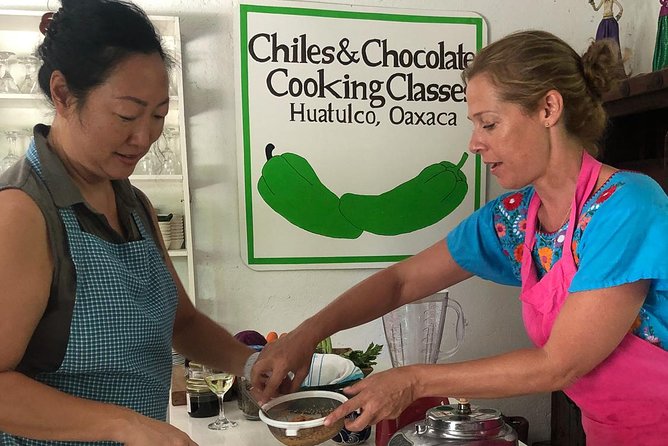
Jane is the host named in the class experience, and she handles both the cooking and the food background. Her role is not limited to telling you when to stir. She explains the fruits, vegetables, seafood, sauces, and salt used in the recipes, along with some of the history of fishing in the area.
That balance matters. A cooking class can fail in two ways: it can become a lecture with little hands-on work, or it can turn into a rushed series of instructions with no explanation of why the food is prepared that way. Here, the emphasis is on active participation, with enough context to help the dishes make sense.
You should expect an action-focused morning rather than a relaxed two-hour demonstration. You will be preparing food, moving between tasks, and following instructions. Wear comfortable clothes and light layers, especially if the weather is warm. The cooking area can get hot when temperatures rise.
The class is offered in English, which makes the instructions accessible to English-speaking visitors. The group can include up to 16 people. That is not an intimate private lesson, but it is small enough that the format is designed for participation rather than sitting in a large audience.
Starting with ceviche
Ceviche is listed as the starter, and it is a smart first dish for a seafood class. It introduces you to the handling of fresh seafood, the role of acidity, and the balance between seafood, seasoning, and vegetables.
The class does not specify every ingredient or the exact method, so you should not expect a fixed recipe list before arrival. What you can expect is a lesson built around fresh seafood and the local character of the dish. Jane also discusses the ingredients used, which helps you understand what you can substitute when making it at home.
For home cooks, this may be one of the most useful sections. Ceviche looks simple, but the result depends on proportion and timing. Learning the process directly gives you a better chance of recreating it than simply copying a restaurant description.
It also sets the tone for the meal. The ceviche offers a fresh counterpoint to the richer shrimp preparation and the tacos that follow.
A few more Huatulco days worth comparing
- Tour to Copalitilla Magical Waterfalls from Huatulco with admission included
★ 5.0 · 359 reviews - Full Day Tour of the Bays of Huatulco
★ 4.5 · 217 reviews - Kayak Huatulco Sunrise
★ 5.0 · 166 reviews - Ocean Eco Adventure with Marine Biologist Guides
★ 5.0 · 149 reviews
Two shrimp recipes, not just one
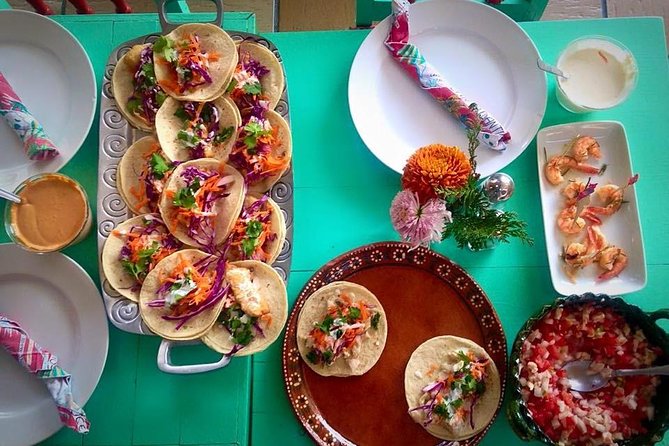
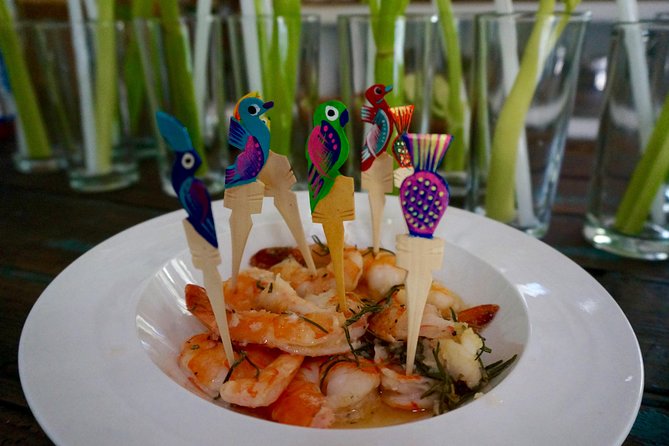
The main course includes shrimp prepared in two ways. That is a strong feature for seafood fans because you are not learning one formula and calling it a day. You get a chance to see how different treatments change the character of the same ingredient.
The available details do not identify the names of the two shrimp dishes, so I would not book this expecting a specific recipe promised in advance. The value is in the comparison: two preparations, two sets of steps, and more than one way to build a seafood menu.
This section should appeal to cooks who want practical variety. Shrimp is easy to find in many markets, and the class focuses on methods that can become part of a home meal. You also learn how sauces and seasoning support the seafood rather than burying it.
The meal is described as plentiful, with beer and other beverages included in the experience. That makes the lunch portion more than a small tasting. You are cooking toward a proper shared meal, which is one reason the class feels like a food experience rather than a technical workshop.
Building Baja-style fish tacos
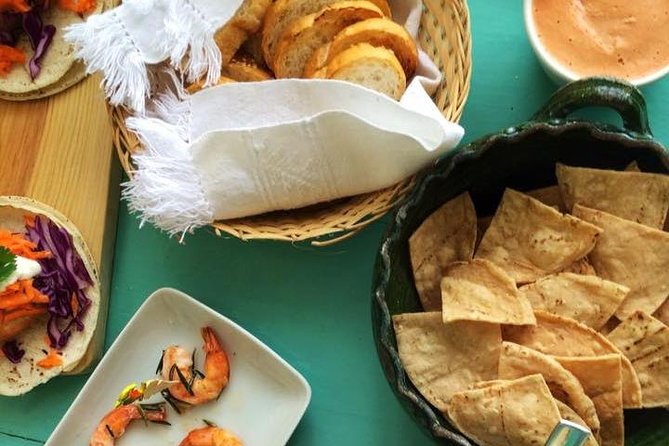
The fish tacos are the headline dish. You learn the Baja-style approach, including the components that make the taco work as a whole rather than simply placing cooked fish in a tortilla.
The class is especially appealing if you have tried fish tacos in Mexico and want to understand how to make them at home. The format is direct: you prepare the food, follow the instructions, and eat what you made afterward. That connection between lesson and lunch helps the techniques stick.
Sauces and artisanal salt are part of the broader food lesson, and these details can make a larger difference than expected. Fish tacos often depend on contrast: crisp and soft, fresh and savory, mild and sharp. A useful sauce or a well-chosen salt can change the final bite.
The tacos also give the class a relaxed, social finish. Once the cooking is done, you can sit down with the rest of the group and eat the meal you helped prepare. This is where the class shifts from instruction to a shared Huatulco food experience.
What you receive beyond lunch
A cookbook is included, which improves the value for anyone who plans to cook after returning home. Recipes are easy to forget when you are on vacation, particularly after several days of tours and restaurant meals. A written reference gives you a way to repeat the dishes later.
The class also covers sauces, artisanal salt, and ingredient use. Those small details can be more useful than a long list of dishes because they help you adapt recipes rather than follow them rigidly.
I would think of the included meal and cookbook as part of the price, not as extras that distract from the class. At $115 per person, the experience is not a cheap meal. You are paying for transportation, instruction, hands-on preparation, food, beverages, and the time of a host who explains the local setting.
The value is strongest if you would otherwise spend money on a substantial seafood lunch and want an activity with it. It is less compelling if you only want a quick meal or prefer to watch rather than cook.
Is $115 a fair price?
For a three-hour-and-30-minute experience with pickup and return transportation, the price is reasonable for visitors who want a structured food activity. You receive several seafood preparations, a full lunch, English-language instruction, and a cookbook to take home.
The cost also buys convenience. You do not need to find the venue, hire a separate taxi, or arrange a restaurant meal afterward. That matters in Huatulco, where the class location is outside the main Santa Cruz hotel area.
Still, price-sensitive visitors should understand what they are choosing. This is not a market tour or a simple tasting. It is a hands-on class, and its value depends on your interest in cooking. If you are excited by seafood and want recipes you can repeat, the price makes more sense. If your priority is sightseeing or a quick local lunch, another activity may suit you better.
The class has a maximum of 16 people. A full group could feel less personal than a private lesson, but the cap keeps it from becoming a very large event. The experience is also regularly booked well ahead, with an average booking lead time of about 33 days, so it is sensible to reserve early if it fits your plans.
The heat, pace, and group size
The main physical consideration is the cooking environment. One class experience specifically points out that the cooking area can get hot in warm weather. Light clothing is the simplest solution, and you should avoid dressing as if you were heading to an air-conditioned dining room.
The pace is active. You will be handling food and following instructions rather than sitting quietly for most of the morning. That is good news if you want real participation, but it may not suit someone looking for a slow, restful outing.
A group of up to 16 also means the amount of individual attention can vary. Jane’s role includes explaining the ingredients and food traditions, but the exact level of one-to-one help will depend on attendance and the tasks underway.
Service animals are allowed. The experience is offered in English. Confirmation is sent within 48 hours of booking, subject to availability, so do not treat a booking request as final until you receive confirmation.
Who should book this class?
I would choose this for seafood lovers, home cooks, couples, and small groups who want an activity with a meal built in. It also suits visitors who have already seen Huatulco’s beaches and want a different way to connect with the region.
Families and mixed-interest groups should think about the cooking focus. Someone who dislikes seafood or does not want to participate may find the morning less rewarding. The menu is strongly seafood-based, with ceviche, shrimp, and fish tacos at its center.
The class is also a good match for people who enjoy bringing vacation ideas home. The cookbook, sauces, seasoning lessons, and multiple shrimp preparations give you something useful to work with after the trip.
I would be more cautious about booking it for a rushed itinerary. Pickup begins at 9:00 am, the class lasts about three and a half hours, and you still need the return transfer. It is a morning commitment, not a quick stop between beach plans.
Booking and cancellation notes
Confirmation arrives within 48 hours, subject to availability. The experience requires a minimum number of participants, so if that minimum is not reached, you will be offered another date or experience, or receive a full refund.
You can cancel for a full refund up to 24 hours before the start time. Cancellations or changes made less than 24 hours before the local start time are not refunded or accepted, so check your schedule before reserving.
Should you book the Huatulco Seafood Cooking Class?
Book it if you want to do more than eat seafood in Huatulco. The class gives you a hands-on morning with ceviche, two shrimp recipes, and Baja-style fish tacos, plus local food context, transportation, a generous lunch, and a cookbook.
The strongest reasons to go are the practical menu and Jane’s focus on ingredients, fishing traditions, sauces, and seasoning. The main cautions are the warm cooking area, the out-of-the-way venue, and the fact that the class takes most of your morning.
For a seafood lover who values useful skills and a relaxed meal after cooking, $115 is a fair spend. For someone who wants only a short tasting or a purely sightseeing-based outing, save your time and money for another Huatulco activity.
FAQ
What time does the seafood cooking class begin?
Pickup and the class start at 9:00 am.
How long does the experience last?
The cooking class lasts approximately three hours and 30 minutes, not including any extra time needed for the transportation schedule.
Is transportation included?
Yes. Roundtrip transportation from your accommodations is provided. The driver should have a sign reading Huatulco Food Tours and Chiles & Chocolate.
What food will I prepare?
The sample menu includes ceviche, two shrimp recipes, and Baja-style fish tacos.
Is the class offered in English?
Yes. The experience is offered in English.
What is the cancellation policy?
You can cancel up to 24 hours before the local start time for a full refund. Cancellations or changes made less than 24 hours before the start time are not accepted or refunded.
Just added around Huatulco
- Waterfall Experience★ 5.0 · 70 reviews
- Turtle Release Escobilla Sanctuary and crocs in Ventanilla.★ 4.5 · 45 reviews
- Tour in Huatulco and Playa La Entrega★ 5.0 · 30 reviews
- Private One-Way or Roundtrip Transportation to Huatulco Hotels★ 4.5 · 32 reviews
- Private Tour Seven Bays, Huatulco HT★ 5.0 · 44 reviews
- 3 Levels of Huatulco the coffee you’ve been looking for★ 5.0 · 43 reviews
- Pyramids Archaeological Site HT★ 5.0 · 35 reviews
- Huatulco Airport: Shared Transfer to/from Huatulco Hotels★ 4.5 · 60 reviews
Cooking Classes, compared.
Cabo San Lucas Mexican Cooking Class Experience and Local Markets
Read our review →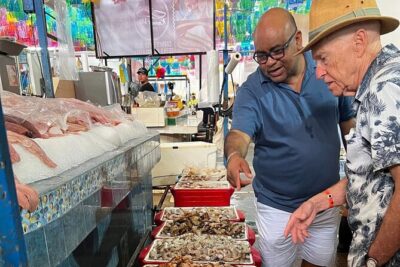
Puerto Vallarta Cooking Class Experience with Market Tour
Read our review →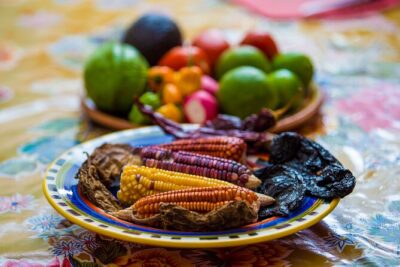
Mexican Cooking from Scratch in a Local Home in Tulum
Read our review →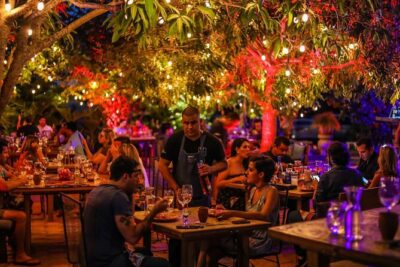
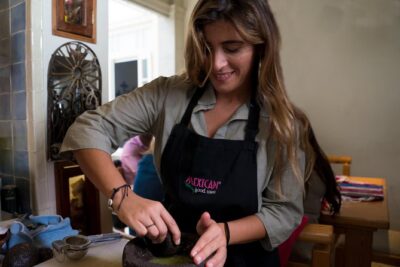
Mexican Cooking Class with Food Market Visit in Mexico City
Read our review →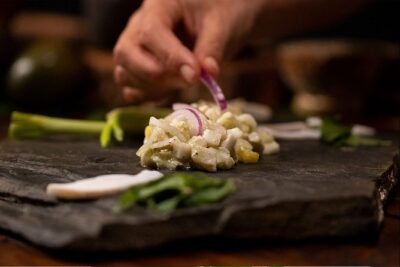
Flavors of Oaxaca: Cooking Class with No Set Menu and Local Market Tour
Read our review →
Taste of the Yucatan: Merida Cooking Class and Market Visit
Read our review →Browse the lists this tour appears in