
Reviewed · CRAFT WORKSHOPS IN PUERTO VALLARTA
Puerto Vallarta: Bean to Bar Chocolate Workshop
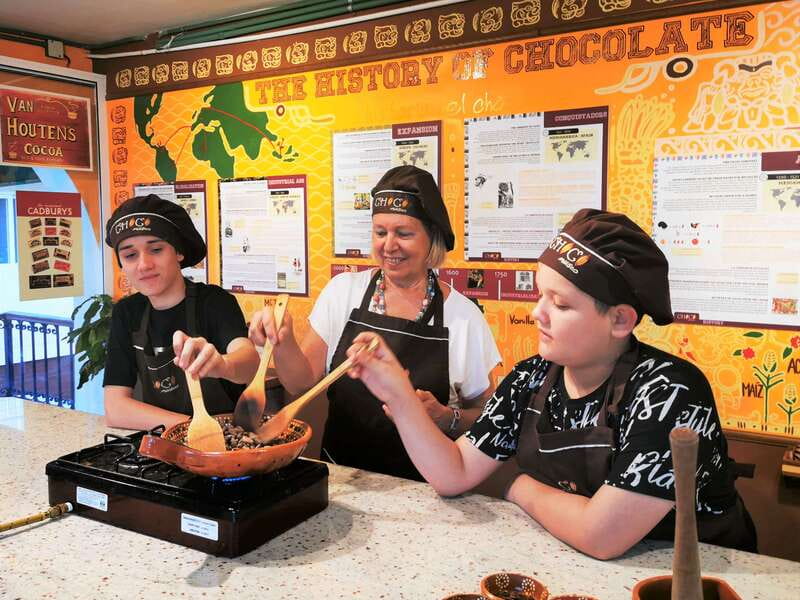
The best part of this Puerto Vallarta workshop is that you do not just hear about chocolate. You handle the cacao beans, roast them, grind them, and turn them into sweets you can take away. The museum setting adds useful context, especially for understanding chocolate as part of Mexican culture rather than just a modern candy.
I like the hands-on work and the three traditional drinks, which give you several ways to taste cacao. I also like the small group, limited to eight participants, and the lively teaching style reported from guides including Rodrigo, Zoar, and Martin. The main drawback is that two hours passes quickly, and the workshop is not suitable for wheelchair users.
Key points to know before you book
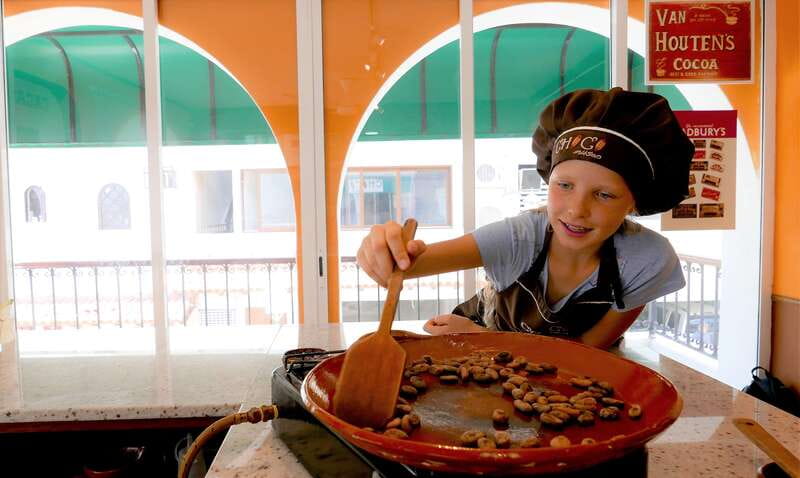
- You roast and grind cacao beans yourself, instead of watching a chocolate demonstration from the sidelines.
- Three traditional drinks are part of the class, including chocolate tea and a masa-based drink with a thicker, unusual texture.
- You make a generous supply of molded chocolates with your choice of chocolate and additional toppings.
- English-speaking guides lead the class, with Rodrigo, Zoar, and Martin praised for humor and clear instruction.
- The workshop costs $62 per person and lasts two hours, with ingredients, equipment, an apron, and a hat included.
- Dietary needs can be accommodated, including vegan, vegetarian, gluten-free, and lactose-free options.
Starting with cacao at ChocoMuseo Puerto Vallarta

This experience takes place at ChocoMuseo Puerto Vallarta, where the workshop begins with a guided museum visit. The museum portion gives you the basic story of cacao and chocolate before you start working with the beans.
That order matters. If you go straight to grinding and molding, you get a pleasant cooking class. By first learning how cacao was used and how chocolate developed in Mexico, the activity becomes a small cultural lesson as well.
I would especially recommend this opening section for families. Children can follow the transformation from bean to finished chocolate, while adults get more from the connection between food, history, and local tradition. The class has worked well for groups ranging from children around age 10 to older adults, provided everyone can follow directions and take part at the worktable.
The museum visit is guided in English. Guides such as Rodrigo, Zoar, and Martin have been singled out for keeping the class lively, while Zoar also handled a mixed-age group well. That is useful here because a chocolate workshop can become repetitive if the explanation goes on too long. The reported teaching style is interactive, with questions, jokes, and plenty of chances to participate.
More Craft Workshops in Puerto Vallarta
- Bean to Bar Chocolate Workshop in Puerto Vallarta
★ 5.0 · 381 reviews - Chocolate and truffles workshop
★ 5.0 · 157 reviews - Surf lessons in Puerto Vallarta and Nayarit
★ 5.0 · 137 reviews
Roasting and grinding the cacao beans
The most useful part of the workshop is the physical process. You roast cacao beans, then grind them, seeing how a hard, dry ingredient becomes the base for chocolate.
You should expect some work with your hands rather than a polished cooking demonstration. That is the point. The process helps you understand why chocolate has such a different taste before sugar, milk, flavorings, and toppings are added.
This stage also lets you compare the finished chocolate with the original bean. The change is not just visual. Roasting affects the aroma and taste, while grinding changes the texture. Even if you already enjoy chocolate, this gives you a better sense of what goes into it.
The instructions are handled by a cacao and chocolate expert, and the equipment and ingredients are supplied. You do not need to bring cooking tools. Wear comfortable clothes and shoes, since you will be working at a practical station rather than sitting through a formal lecture.
One small point to keep in mind: the activity is designed for participation. If you prefer a quiet museum visit with no hands-on work, this may feel more active than you want. For most people, though, the work is what gives the session its value.
Three traditional drinks, including chocolate tea
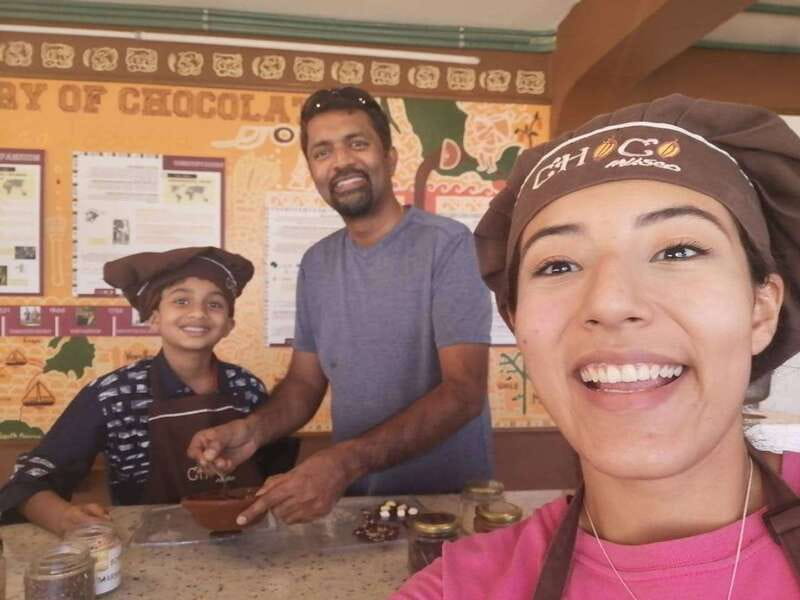
The workshop includes three traditional chocolate drinks that you prepare and taste. This broadens the experience beyond the familiar chocolate bar.
Chocolate tea has received particular praise, and it is a good example of why the drink portion works so well. It lets you taste cacao in a lighter form, without treating it only as a sweet dessert.
Another drink includes masa. You might find its thicker texture unfamiliar, even if you enjoy the flavor. I like that the class includes something with a different mouthfeel, because it shows that Mexican chocolate traditions do not all match the smooth, sugary drinks commonly sold elsewhere.
The drinks are prepared during the class, so you are not simply handed samples. You get to see how traditional ingredients come together and taste the results while the guide explains their place in the wider story of cacao.
Food and drinks beyond those prepared in the workshop are not included. The three traditional drinks are part of the activity, but you should not treat this as a full meal. If you need substantial food, plan to eat before or after the two-hour session.
Making molded chocolates with your own toppings
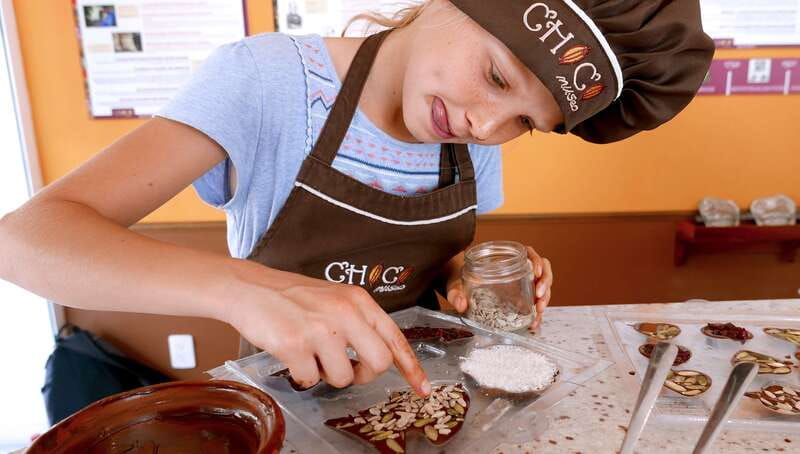
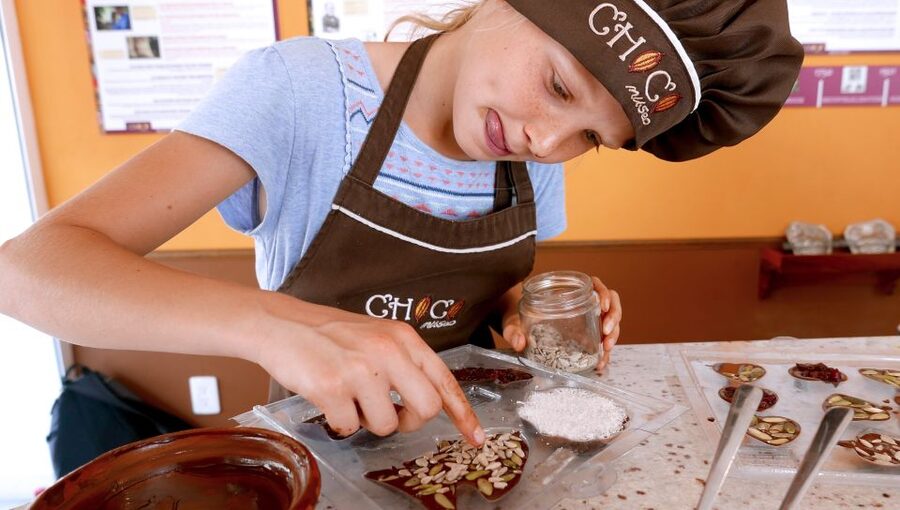
After the educational and tasting portions, you make your own chocolates. You can work with dark or milk chocolate and choose from additional ingredients and toppings.
This is where the workshop becomes personal. Instead of receiving a standard piece made by someone else, you decide how to finish your chocolates. The activity supplies the chocolate, ingredients, molds, materials, and toppings, so you can focus on the creative part.
You make a generous supply of molded chocolates to take with you. That makes the $62 price easier to judge. You are paying for instruction, museum access, three drinks, equipment, ingredients, and a take-home product, not just a short tasting.
The finished chocolates also give children a clear goal. They can learn about cacao, follow directions, and then see a result they made themselves. The class is not described as being only for children, though. Adults can choose more adventurous combinations or simply enjoy the process.
The chocolates need to be handled with care after the workshop. The supplied information does not give storage or transport instructions, so ask the staff if you are carrying them around Puerto Vallarta in warm weather.
More Chocolate Workshops in Puerto Vallarta:
- Finca 18 Puerto Vallarta Tequila Tour + Chocolate Pairing
★ 5.0 · 393 reviews - Chocolate & Margarita Workshop
★ 5.0 · 207 reviews - Tour to Uxmal Kabah and Chocolate Museum from Mérida
★ 4.5 · 102 reviews - Chocolate Workshop
★ 5.0 · 92 reviews
What the small group changes
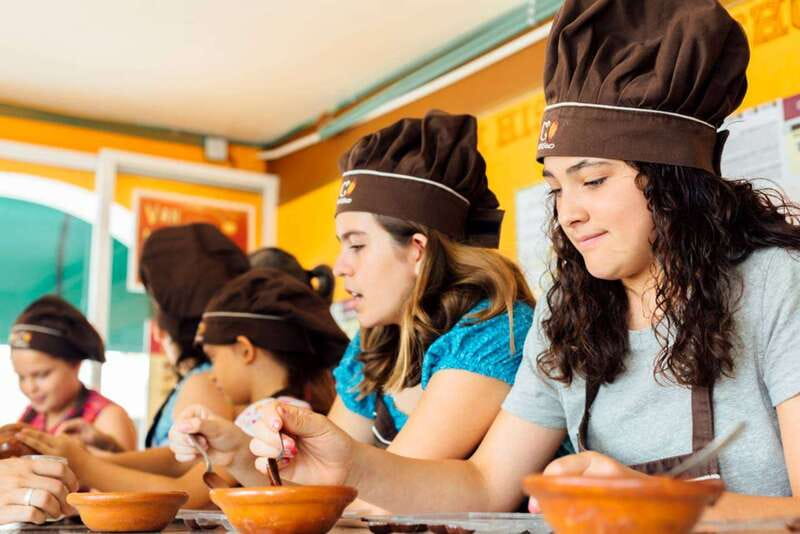
The activity is advertised as a small group limited to eight participants. One experience account describes a group of 10, so the actual size may vary by session, but you should expect an intimate class rather than a large tour.
A small group helps during the hands-on stages. You have a better chance to hear the guide, get help with the equipment, and make choices at the chocolate station without waiting behind a crowd.
It also makes the class more social. Guides have been praised for calling people by name and keeping participants involved. That matters when the group includes different ages and levels of interest. A child can ask basic questions while an adult learns more about the cacao process.
The tradeoff is that small workshops can feel more exposed if you prefer to observe quietly. You will be encouraged to participate. For me, that is a strength, but it is worth knowing before you reserve.
The guides make the difference
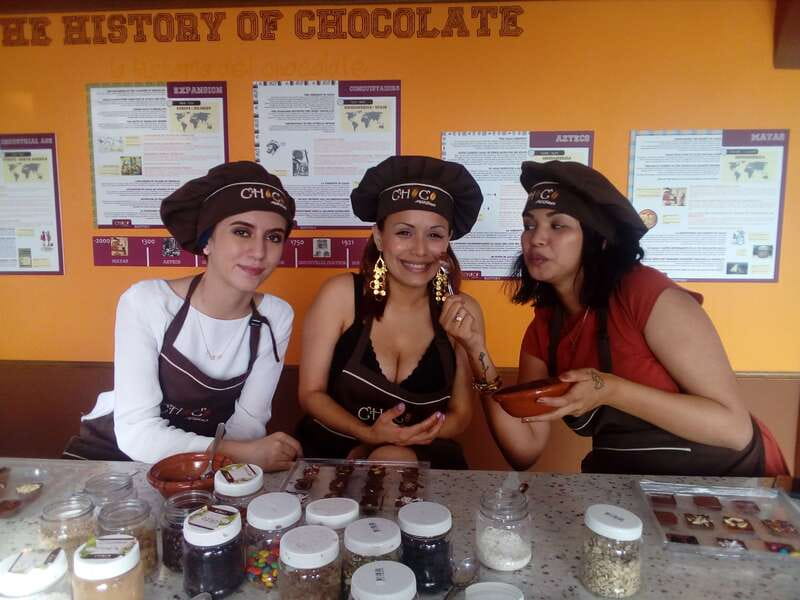
The workshop is conducted in English, and the named guides include Rodrigo, Zoar, and Martin. Rodrigo has been praised for an interactive approach and for preparing the drinks with enthusiasm. Zoar handled a group ranging from age 10 to 73, while Martin helped keep the session both informative and light.
A good guide matters more here than at a standard museum. The quality of the experience depends on clear instructions, good pacing, and the ability to keep the group involved while several tasks happen at once.
You will hear explanations about the evolution of the cacao bean, the history of chocolate, and the role of chocolate in ancient civilizations. The class does not appear to be a dry lecture. It mixes explanation with roasting, grinding, drinking, and making.
The guide also helps connect the stages. You learn what the bean is, then handle it, then taste chocolate in drink form, and finally make your own sweets. That progression gives the two hours a clear shape.
Is $62 a fair price?

At $62 per person, this is not the cheapest food activity in Puerto Vallarta. It is also more than a simple chocolate tasting. The better comparison is with a guided cultural class that includes museum instruction, expert teaching, three drinks, supplies, and take-home chocolate.
I think the price is reasonable if you value participation. You are not buying only a few samples. You are spending two hours learning a process, using the materials, and producing something to keep.
The value is strongest for families, couples, and visitors who want a break from sightseeing that still feels connected to Mexico. The workshop also works well on a hot or rainy day because the focus is indoors at the museum.
The price may feel high if you mainly want to buy chocolate or taste a few local products. You can likely find chocolate elsewhere for less. Book this when you want the activity and the learning, not just the finished sweets.
Who should book this workshop?
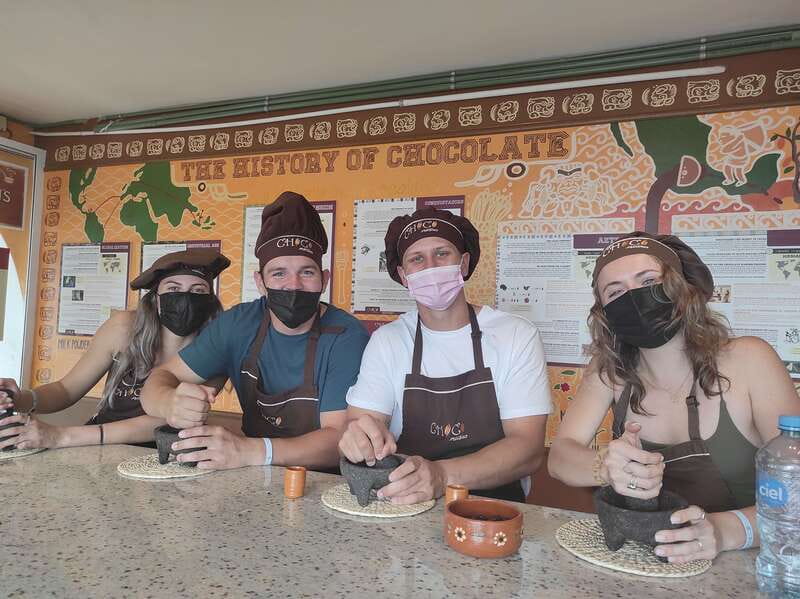
I would choose this for:
- Families with children mature enough to follow directions
- Couples looking for a short cultural activity
- Chocolate lovers who want to understand the process
- Visitors interested in Mexican food traditions
- Small groups that prefer direct contact with a guide
- People with vegan, vegetarian, gluten-free, or lactose-free dietary needs, after confirming arrangements
The workshop suits different ages, but it does require participation and movement around the work area. It is not suitable for wheelchair users.
You should wear comfortable shoes and comfortable clothing. An apron and hat are provided for the duration of the class, but it is still sensible to avoid clothing you would worry about around chocolate and toppings.
Transportation is not included, so you need to make your own way to the meeting point. Arrive on time. With only two hours, a late start can cut into the roasting, drinks, or chocolate-making portion.
Booking flexibility and practical details
You can cancel up to 24 hours in advance for a full refund. The reserve-now, pay-later option also lets you hold a place without paying immediately, which is useful if your Puerto Vallarta plans are still shifting.
Check the available starting times before booking, since the schedule can vary. The listed language is English, and the activity is supplied with ingredients, materials, toppings, an apron, and a hat.
The workshop does not include general food or drinks beyond the three traditional preparations. If you are hungry, have a meal before or after. The class is a tasting and making experience, not a full lunch.
FAQ
How long does the Puerto Vallarta chocolate workshop last?
The workshop lasts two hours.
What is included in the price?
The experience includes the museum guide, an English-speaking cacao and chocolate expert, three traditional drinks you prepare, ingredients and materials, toppings, an apron, a hat, and the chocolate you make.
How much does the workshop cost?
The listed price is $62 per person.
Can I take chocolate home?
Yes. You make molded chocolates during the class and take your creations with you.
Is the workshop available for special diets?
The activity can accommodate vegan, vegetarian, gluten-free, and lactose-free diets. Confirm your needs when booking.
Is transportation included?
No. Transportation is not included, and you should arrive on time at the stated meeting point.
Should you book it?
Book this workshop if you want more than a quick chocolate sample. The strongest reasons are the hands-on bean roasting and grinding, the three traditional drinks, and the chance to make a generous supply of chocolates with your own toppings.
I would be more cautious if you dislike group activities, need wheelchair access, or want a full meal rather than a tasting class. For everyone else, the two-hour format is easy to fit into a Puerto Vallarta visit, and the $62 cost is fair when you use the museum lesson, expert guidance, drinks, ingredients, and take-home chocolate.
Just added around Puerto Vallarta
- Puerto Vallarta: Mega Yacht Whale Watching Sunset Cruise★ 4.7 · 94 reviews
- Puerto Vallarta: Baby Turtle Release in Conservation Area★ 4.8 · 110 reviews
- Puerto Vallarta: Yelapa Mega Yacht Cruise★ 4.7 · 180 reviews
- Puerto Vallarta: Guided San Sebastian Tour★ 4.5 · 38 reviews
- Puerto Vallarta Rhythms of the night, Show & Buffet dinner★ 4.7 · 219 reviews
- Puerto Vallarta: Horse Riding Tour w/ Optional ATV & Zipline★ 4.7 · 73 reviews
- Puerto Vallarta: Evening Taco Adventure Tour★ 4.9 · 106 reviews
- Puerto Vallarta: Botanical Gardens, Distillery & Coffee Tour★ 4.4 · 39 reviews
Craft Workshops in Puerto Vallarta, compared.

Bean to Bar Chocolate Workshop in Puerto Vallarta
Read our review →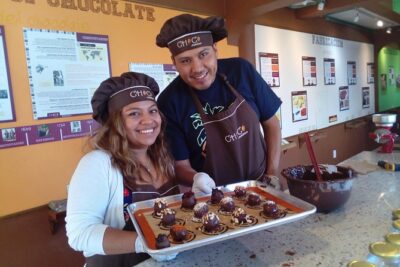

Private Surf Lesson Experience at Puerto Vallarta
Read our review →Browse the lists this tour appears in