
Reviewed · MUSEUMS
Chapultepec Castle & Anthropology Museum Tour
Mexico City packs centuries of history into two remarkable sites. This tour links the National Museum of Anthropology with Chapultepec Castle, taking you from Olmec stone heads and the Aztec calendar to royal apartments, battle murals, and the hilltop home of Mexico’s emperors and presidents. The guide does the sorting for you, which matters in museums this large.
I like the way the tour gives you a clear story, from pre-Columbian cultures through Spanish rule, independence, and revolution. I also like the practical route: you begin at the Anthropology Museum and finish at the castle, leaving your afternoon free. The main catch is stamina. You will walk about 3 kilometers, climb Chapultepec Hill, and spend most of five hours on your feet.
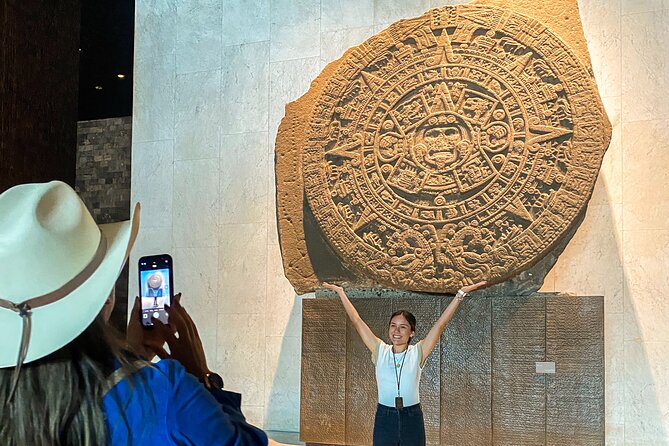
- The Aztec Stone of the Sun: See Mexico’s most famous monumental artifact with context that small museum labels cannot provide.
- Two major sites in one morning: Cover the Anthropology Museum and Chapultepec Castle without planning separate admissions or routes.
- Guide quality matters: Guides including Leonardo, Gio, Ligia, Antonio, Miriam, and Lili have been praised for clear storytelling and strong command of Mexican history.
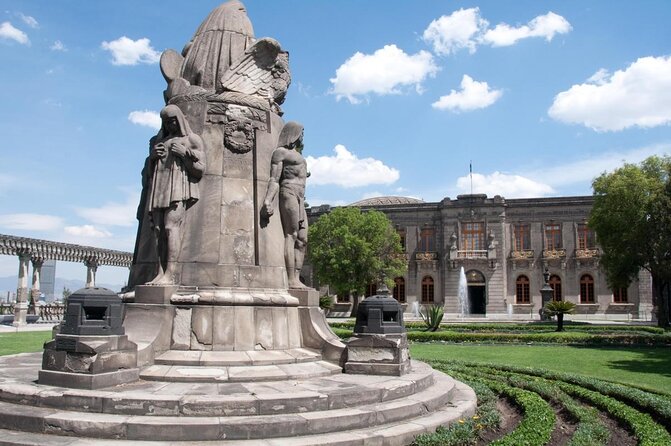
- A hilltop finish: Chapultepec Castle brings royal rooms, murals, carriages, and broad city views after the museum visit.
- A focused museum visit: Two and a half hours lets you see the major exhibits, but not every gallery.
- Good preparation helps: Eat breakfast, wear comfortable shoes, arrive early, and bring only a small handbag.
Two of Mexico City’s Big History Stops in One Morning
At $79 per person, this is not the cheapest way to enter these museums. It can be good value if you want admission, a planned route, and an English-speaking guide who explains what you are seeing instead of leaving you alone with hundreds of display cases.
The National Museum of Anthropology is enormous. You could spend a full day there and still leave sections unseen. This tour accepts that reality and focuses on major objects and broad cultural themes. That is its strength, but also its limit. You gain a useful introduction rather than a complete museum visit.
The combined route is especially handy if your time in Mexico City is short. You see two central attractions in one outing and do not have to work out how to connect them inside Chapultepec Forest. If you prefer slow museum visits, quiet gallery time, or detailed reading of every label, book separate visits instead.
The experience is offered in English and has a maximum stated group size of 25. A group this size can still feel busy inside crowded galleries, though headsets may help you follow the guide. A private upgrade is available if you want more room for questions and a pace shaped around your interests.
Starting at the National Museum of Anthropology
The meeting point is outside the National Museum of Anthropology on Paseo de la Reforma, at the edge of Chapultepec Forest. Arrive early. The group needs to enter together, and arriving late can create confusion at a large public complex.
Your guide spends about two and a half hours inside the museum. The plan is not to march through every room. Instead, you get a selected route through important collections, with explanations that connect objects to the cultures and regions that produced them.
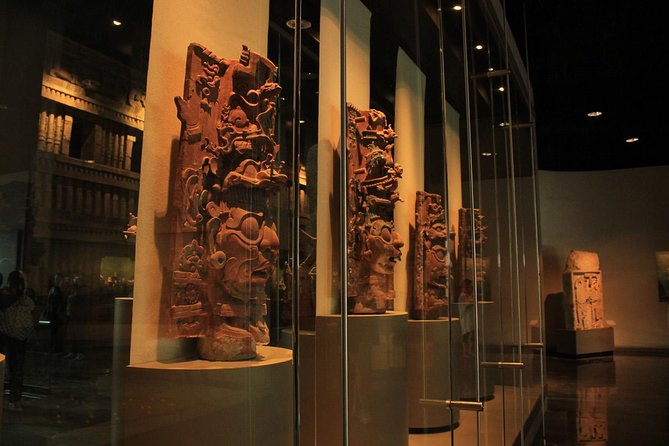
The museum’s pre-Columbian galleries are the main event. You can expect to see the famous Aztec Stone of the Sun, often called the Aztec calendar stone, along with enormous Olmec carved heads from Tabasco and Veracruz. These are not just impressive pieces of stone. They open the door to questions about power, belief, trade, writing, ritual, and the many cultures that shaped central Mexico.
A guide adds the links that are easy to miss when you walk alone. The Aztec material is not presented as the whole story of Mexico. You learn about different cultural regions and Indigenous groups, giving you a better sense of the country’s long development before Spanish conquest.
That larger frame is one reason this visit works well with a guide. The labels can tell you what an object is. A strong guide can explain why it mattered, how it fits with other displays, and how later Mexican identity drew on older cultures.
Guides such as Antonio, Gio, Lili, Alan, Nadia, and Leonardo have been praised for making difficult subjects easier to follow. Leonardo, in particular, is often described as bringing together pre-Hispanic, colonial, and modern Mexico in one clear narrative. Gio has been singled out for turning complex history into an understandable story, while Ligia’s long experience helps her add depth without losing the main thread.
Guide quality can vary, of course. English ability and speaking style matter in a museum tour, and some people have found certain guides difficult to understand. If your group includes teenagers or anyone who needs especially clear English, a private option may be worth the added cost.
More Museums in Mexico City
- Frida Kahlo VIP [Museum Tickets Included] Bike, Markets & Churros
★ 5.0 · 1,072 reviews - Anthropology Museum Guided Tour
★ 4.5 · 1,035 reviews - Frida Kahlo VIP [Museum Tickets Included] Walk, Markets & Churros
★ 5.0 · 982 reviews
Why the Museum’s Short Route Can Work
Two and a half hours sounds long until you see the size of the collection. The time passes quickly because the museum offers far more than anyone can absorb in one visit.
I like this focused approach for a first visit. You get the essential pieces and a working outline of Mexican history. That outline makes later visits, books, and walks around the city easier to understand.
The drawback is pace. Some groups have felt hurried, while others wished the guide had moved faster through small details to cover more rooms. There is a balance to find. A guide who explains every object at length may give you excellent information but leave less time for the rest of the museum.
There may be a short break between the two attractions, but you should not count on a leisurely meal. Food and drinks are not included. Since the day involves two standing tours, eat a solid breakfast and carry only what the museum rules allow.
The museum does not allow food, drinks, or backpacks inside. Only a handbag is permitted. This is an easy detail to overlook, so plan your belongings before you arrive. You do not want to spend the opening minutes sorting out a bag problem.
Walking Through Chapultepec Forest to the Castle
After the Anthropology Museum, the route continues through Chapultepec Forest, one of the largest urban parks in the Western Hemisphere. The forest is part of the experience, not just a passage between buildings.
The second stop requires a climb up Chapultepec Hill. The ascent is manageable for most people, but it adds to an already active morning. The tour information describes a moderate amount of walking, about 1.8 miles or 3 kilometers in total. Wear shoes with good support and take the hill seriously if heat or mobility is a concern.
An elevator ride has been arranged for at least one visitor who needed it, but the general tour still includes walking and the castle hill. If you need specific assistance, ask before booking rather than assuming every part of the standard route will be step-free.
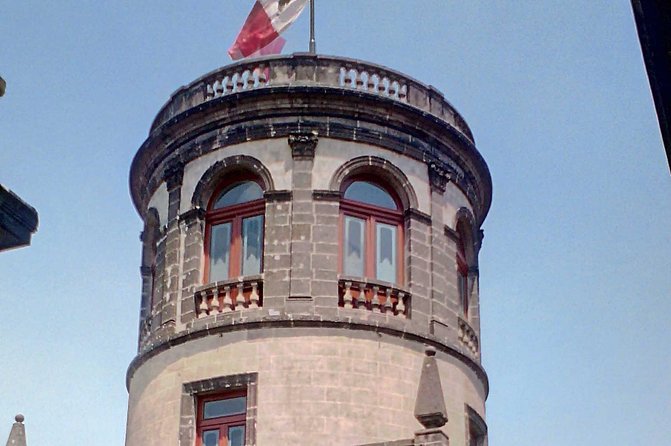
The setting gives the castle its drama. Chapultepec began as a retreat for Aztec rulers. Much later, parts of the site were rebuilt as a palace for Emperor Maximilian of Habsburg. The building then served as a residence for Mexican presidents before most of it became the National History Museum.
That sequence helps explain why the castle feels different from the Anthropology Museum. The first stop is built around civilizations, artifacts, and cultural regions. The castle is a building shaped by conquest, empire, independence, politics, and national memory.
Chapultepec Castle’s Marble Staircases and Royal Rooms
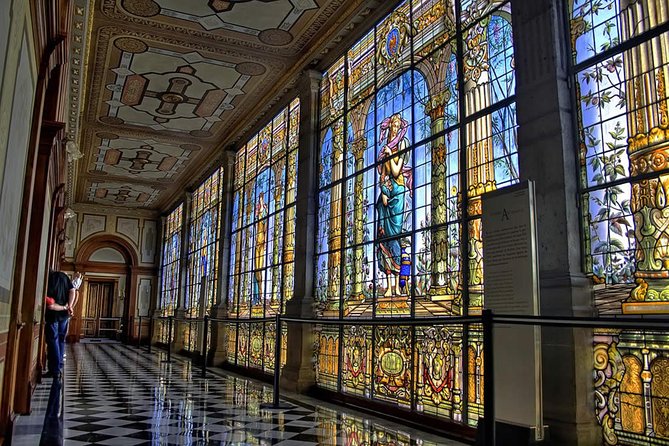
The castle visit lasts about two hours and includes 12 halls. Your guide leads you through marble staircases, royal apartments, and rooms connected with Mexico’s political past.
You can see the state carriages associated with Emperor Maximilian and Benito Juárez. Their presence puts two very different chapters of Mexican history in the same building: the short-lived Second Mexican Empire and the republican government that opposed it.
You also see sculptures and busts of historic figures, along with the sword associated with independence fighter José María Morelos. These objects become more useful when placed within the larger story of independence and the political struggles that followed.
Do not rush past the murals. Works connected with artists such as José Clemente Orozco and John O’Gorman show how Mexico later told its own story through public art. The murals depict battles and national turning points, and they give the rooms more weight than a simple royal residence would have.
The castle also rewards your eyes between explanations. Its rooms, staircases, furnishings, and hilltop position offer a change of pace after the museum’s display cases. You get architecture, objects, paintings, and views in one stop.
The city views are a real bonus. The castle’s position above Chapultepec gives you a broader look across Mexico City. After several hours of artifacts and historical detail, the open outlook provides a welcome pause.
A completely different kind of day out, same trip:
- Balloon flight + Breakfast in cave + Pyramids + Pick up CDMX.
★ 5.0 · 6,335 reviews - Balloon flight + pick up in CDMX + Breakfast in Cave + Pyramids
★ 5.0 · 5,651 reviews - Balloon Flight + Cave Breakfast + Pick Up from CDMX or We Fly
★ 5.0 · 4,410 reviews - Hot Air Balloon Flight with Breakfast Cave and Pyramids Tour
★ 5.0 · 2,066 reviews
From Aztec Rule to Revolution
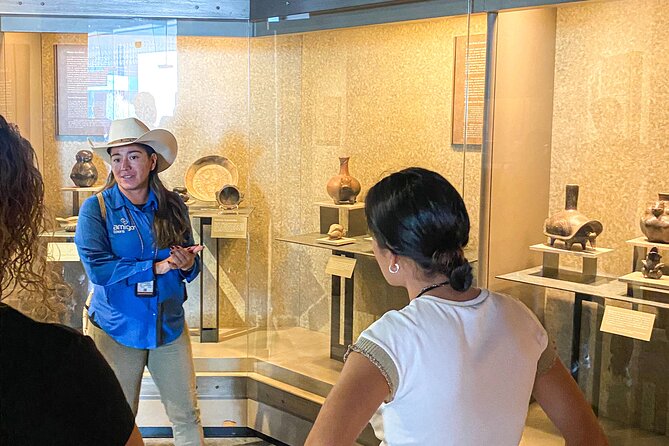
The tour’s larger purpose is to connect separate periods instead of treating them as isolated exhibits. At the museum, you begin with pre-Columbian cultures and Indigenous traditions. At the castle, the story moves through Spanish colonialism, independence, empire, presidential rule, and revolution.
This broad sweep is useful because Mexico City can otherwise feel like a series of unrelated sights. The Anthropology Museum explains the foundations. Chapultepec Castle shows how later governments and national leaders used buildings, art, and symbols to shape public memory.
You will not receive a university course in five hours. You will receive a guided outline, with selected objects doing the heavy work. If you are curious about Mexico’s past but do not know where to begin, that outline has real value.
The strongest guides add warmth and precision. Antonio has been praised for patience, including helping with an elevator ride. Miriam is noted for explaining the major exhibits clearly. Marium is described as having strong English and an excellent grasp of both culture and artifacts. These comments point to what you should want from the guide: not a stream of dates, but a story you can follow.
Group Tour or Private Upgrade?
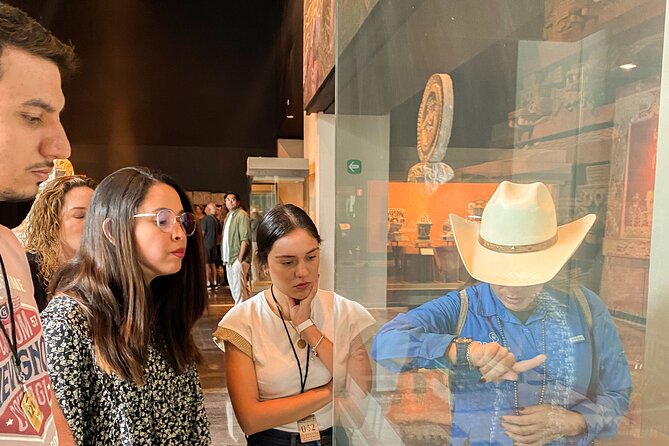
The standard group tour keeps the price at $79 and makes the day easy to organize. You receive both entrance tickets and a professional guide, with the itinerary already arranged.
The downside is that a group can slow down at doorways, staircases, and popular objects. A maximum of 25 is reasonable for a guided visit, but it is not intimate. Inside a large museum, even a headset cannot replace standing close to the object or asking a long question.
The private upgrade makes the most sense for families, couples with specific interests, or anyone who has trouble following spoken English in a crowd. It also gives you a better chance to ask about Maya and Aztec culture, Mexican muralism, independence, or the castle’s political history without holding up a group.
For a first visit and a limited schedule, the regular tour should do the job. For a return visit, a private tour can be more useful because you may want to spend time on a particular period or collection.
Practical Details That Affect Your Day
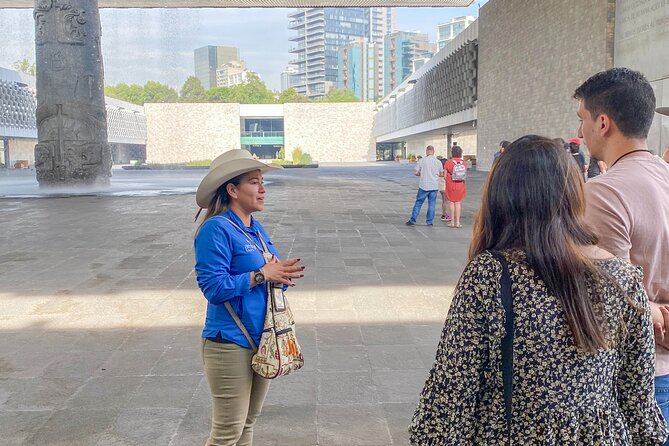
The tour lasts about five hours and ends at Chapultepec Castle in the afternoon. There is no return transfer listed, so you should plan the rest of your day from the castle rather than expecting to be taken back to the starting point.
Public transportation is nearby, and both locations are in the Chapultepec area. The starting point is the Anthropology Museum on Avenida Paseo de la Reforma. The ending point is Chapultepec Castle on Avenida Heroico Colegio Militar.
You will spend much of the tour standing. Add the hill climb, the distance between sections, and the size of the museum, and comfortable shoes become essential rather than optional.
Bring a small handbag only. Food and drinks are not allowed inside, and neither are backpacks. Since food is not included, have breakfast beforehand and use the break between sites carefully.
The tour requires good weather. If poor weather cancels it, you can choose another date or receive a full refund. You can cancel for a full refund up to 24 hours before the start time. Within 24 hours, cancellation changes and refunds are not accepted.
Who Will Get the Most From This Tour?
I would choose this experience if you want a clear introduction to Mexico City’s past and prefer explanations to wandering alone. It suits first-time visitors, couples, solo visitors, and anyone with only a few days in the capital.
It is also a good match for people who find huge museums overwhelming. The guide selects the important stops and helps you understand what you are looking at.
I would hesitate if you dislike long walking tours, need frequent sitting breaks, or want to read every museum panel. The Anthropology Museum alone deserves more than two and a half hours, and combining it with the castle means you trade depth for coverage.
Families should think about attention spans. The subject matter is fascinating, but the day is long and mostly spent on foot. A private tour may help if your group needs a flexible pace.
Should You Book the Chapultepec Castle and Anthropology Museum Tour?
Book it if you want two major Mexico City sights, one connected historical story, and an English-speaking guide to make sense of a huge collection. The $79 price is fair when you value included admission and saved planning time, especially for a short stay.
Skip it if you prefer slow, self-guided museum visits or if the climb and five-hour schedule sound tiring. In that case, choose one site and give it more time.
For most first-time visitors with good walking ability, I think the tour is a useful way to get oriented. Arrive early, eat breakfast, carry a small bag, and consider the private option if clear communication and extra questions matter to you.
FAQ
How long does the tour last?
The experience lasts approximately five hours. The Anthropology Museum portion takes about two and a half hours, and the Chapultepec Castle portion takes about two hours.
Where does the tour begin?
It begins at the National Museum of Anthropology on Avenida Paseo de la Reforma in Chapultepec Forest, Mexico City.
Where does the tour end?
The tour ends at Chapultepec Castle on Avenida Heroico Colegio Militar.
Are admission tickets included?
Yes. Admission to the National Museum of Anthropology and Chapultepec Castle is included.
Is the tour offered in English?
Yes. The tour is offered in English with a professional guide.
How much walking is involved?
The tour involves a moderate amount of walking, approximately 1.8 miles or 3 kilometers. You also walk uphill to reach Chapultepec Castle.
Can I bring a backpack, food, or drinks?
No. Food, drinks, and backpacks are not allowed inside. Only a handbag is permitted.
What is the cancellation policy?
You can cancel at least 24 hours before the start time for a full refund. Cancellations or changes made within 24 hours are not accepted and are not refunded. If poor weather causes the tour to be canceled, you can choose another date or receive a full refund.
Just added around Mexico City
- Kayaking on the Island of Sacrifices★ 5.0 · 49 reviews
- Paragliding in Valle de Bravo★ 5.0 · 188 reviews
- Hot Air Balloon Flight and Tour of the Majestic Pyramids★ 4.5 · 38 reviews
- Balloon flight / Breakfast in the cave / CDMX pick-up + Pyramids★ 5.0 · 54 reviews
- Hot air balloon ride with breakfast in Cueva from CDMX★ 5.0 · 47 reviews
- Africam safari (private tour)★ 5.0 · 33 reviews
- Lucha Libre, Tacos, Margaritas,Tequila and Night Market Tour★ 5.0 · 64 reviews
- Riviera Maya: Frida Kahlo Museum Guided Tour 2025★ 4.1 · 54 reviews
Museums, compared.
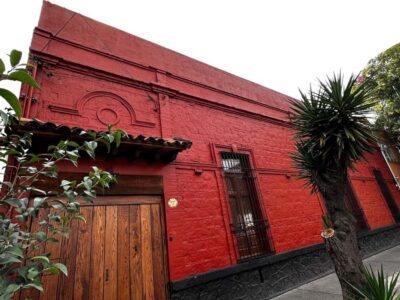
Xochimilco, Coyoacan, Frida Kahlo Museum & Murals Tour
Read our review →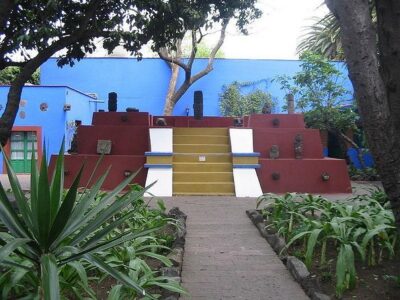
Frida Kahlo VIP [Museum Tickets Included] Bike, Markets & Churros
Read our review →

Frida Kahlo VIP [Museum Tickets Included] Walk, Markets & Churros
Read our review →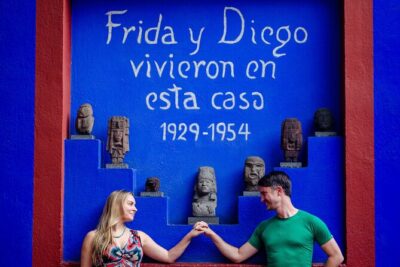
Exclusive Tour Frida Kahlo Museum – Small Groups
Read our review →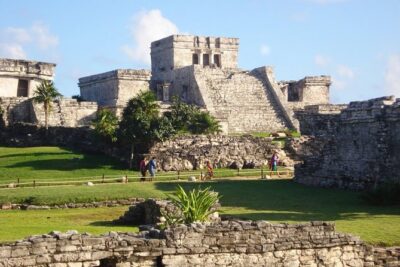
Coba Multun-Ha Cenote Tulum and Mayan Museum Small Group
Read our review →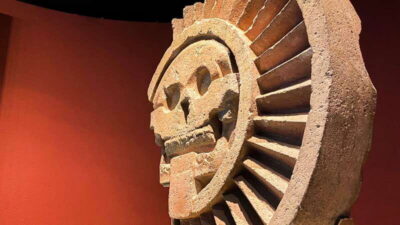
Frida Kahlo Museum Entry Ticket w/Digital Guide
Read our review →Browse the lists this tour appears in