
Reviewed · TICKETS
Mexico City: Ticket de entrada Museo Memoria y Tolerancia
The Memory and Tolerance Museum takes you from the Holocaust through other genocides and crimes against humanity, then asks what you will do with what you have learned. This is not a quick photo stop. It is a serious, carefully arranged visit with more than 1,200 objects, documents, and audiovisual pieces across 43 rooms.
I like the way the museum joins hard historical evidence with art that demands a personal response, including works by Jan Hendrix and an actual World War II prisoner transport wagon. I also like that the ticket covers temporary exhibitions and an audio guide in Spanish or English. The main consideration is emotional weight: the permanent exhibition is recommended for children over 15, and younger children must be accompanied by an adult.
Key points
- 43 permanent-exhibition rooms cover the Holocaust, the Armenian genocides, Rwanda, Guatemala, Cambodia, Darfur, and Yugoslavia.
- More than 1,200 objects, documents, and audiovisual works give the museum’s message a firm historical base.
- Powerful installations include Jan Hendrix’s Lost Potential and Cube, a section of the Berlin Wall, and a World War II prisoner transport wagon.
- The Anne Frank material can be especially moving, adding a personal voice to the wider history.
- Spanish and English audio guides let you set your own pace through the museum.
- Temporary exhibitions are included, adding value beyond the permanent galleries.
Why this museum matters in downtown Mexico City
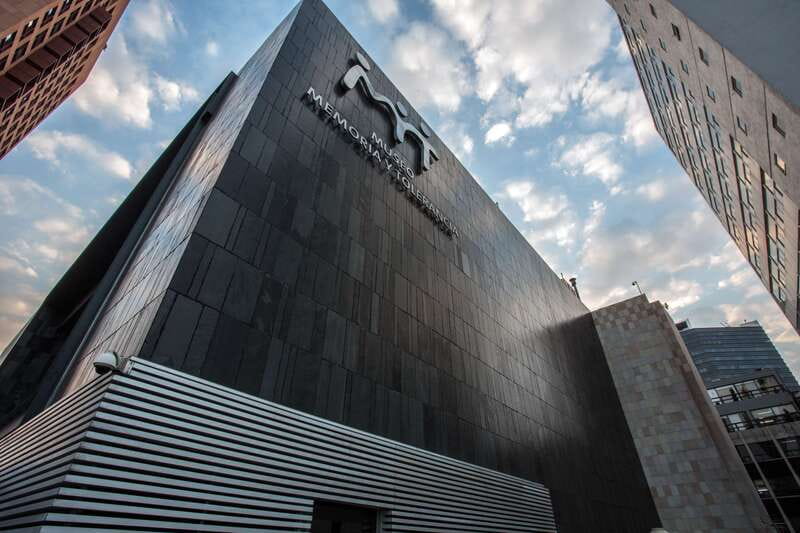
The museum sits at Plaza Juarez in central Mexico City, beside the Secretariat of Foreign Affairs and across from the Hemicycle to Juarez. That location makes it easy to combine with other downtown sights, though you should plan enough time for the museum itself rather than squeezing it between quick stops.
Its purpose is direct: use historical memory to show how discrimination, indifference, and violence can grow into mass crimes. The museum does not focus only on one country or one period. It begins with the Holocaust, then connects that history to the Armenian genocides, Rwanda, Guatemala, Cambodia, Darfur, and Yugoslavia.
That wider scope matters. You are not being asked to treat genocide as a closed chapter belonging to another time and place. Instead, the museum places different events beside one another so you can consider repeated patterns: exclusion, propaganda, dehumanization, passivity, and organized violence.
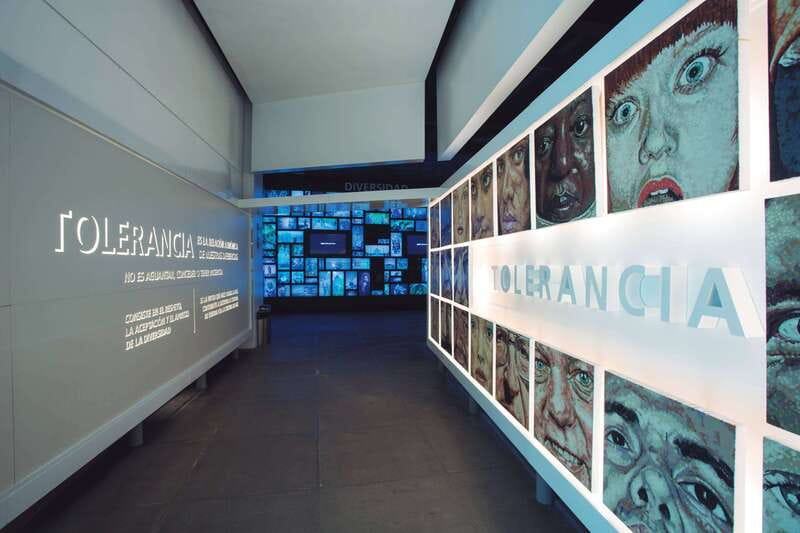
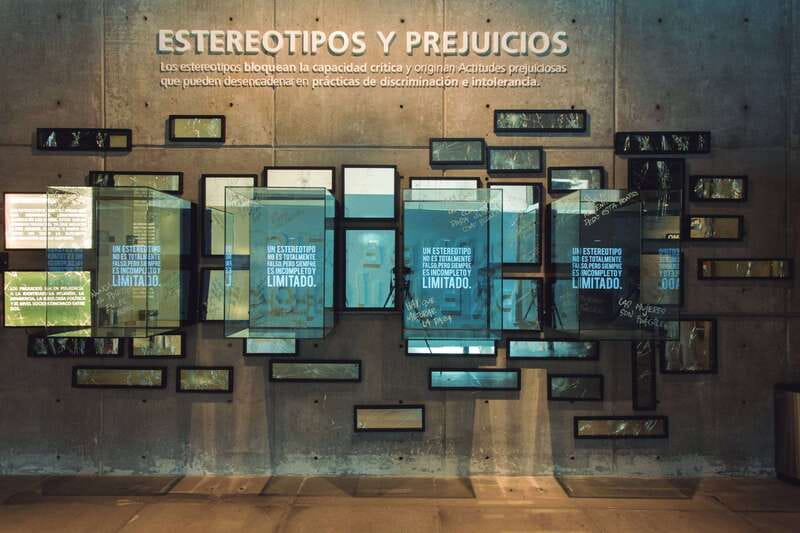
I appreciate that the museum links history with human rights and social action. You are given facts, photographs, documents, and audiovisual material, but the visit also asks you to consider tolerance, peace, and your own response to injustice.
A few more Mexico City days worth comparing
- Balloon flight + Breakfast in cave + Pyramids + Pick up CDMX.
★ 5.0 · 6,335 reviews - Balloon flight + pick up in CDMX + Breakfast in Cave + Pyramids
★ 5.0 · 5,651 reviews - Balloon Flight + Cave Breakfast + Pick Up from CDMX or We Fly
★ 5.0 · 4,410 reviews
Moving through 43 rooms of permanent exhibits
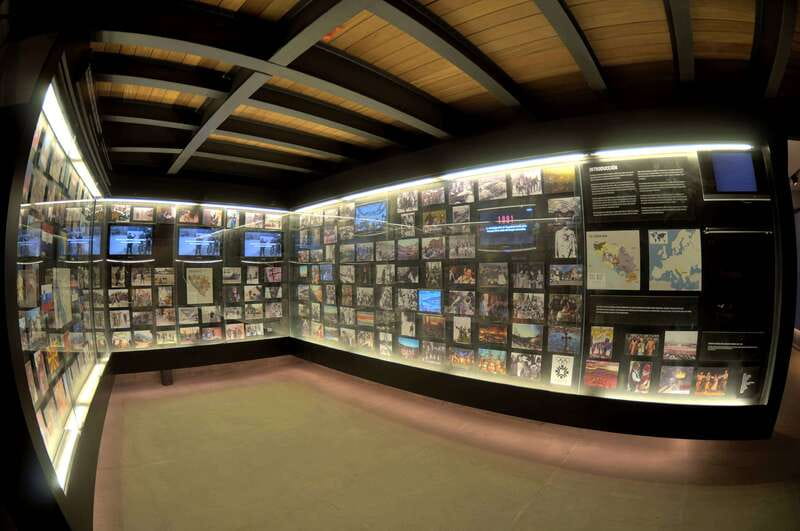
The permanent exhibition fills 43 rooms, so this is best treated as a major museum visit, not a brief cultural add-on. Your ticket is valid for one day, giving you room to move at a thoughtful pace rather than racing from one display to the next.
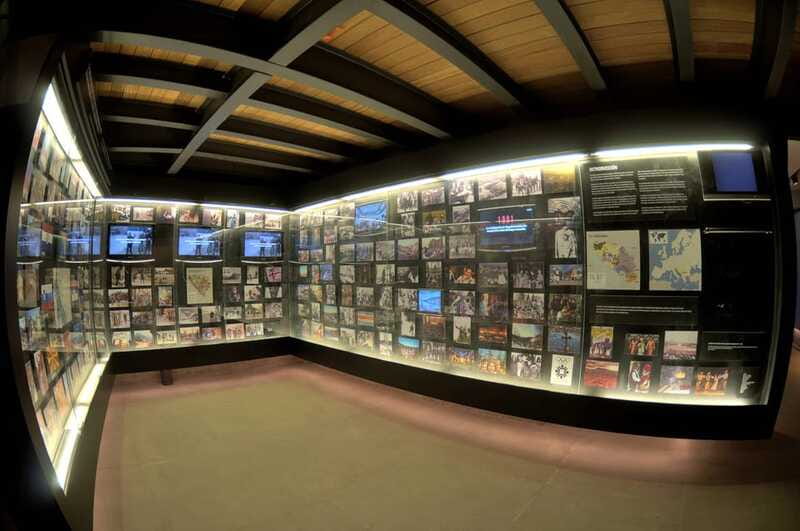
The museum offers more than 1,200 objects, documents, and audiovisual pieces. That mix gives the material different levels of impact. Documents provide evidence. Photographs show the human cost. Film and sound can make the historical record feel immediate. Art installations create pauses where you can think about what the facts mean.
The audio guide is available in Spanish and English. I recommend using it, especially if you want context for the displays rather than simply reading labels as you go. An audio guide also lets you stop when a subject needs more time and move ahead when a particular section is too difficult.
The layout covers very painful subjects, and the museum’s own age guidance is useful. The permanent exhibitions are recommended for children older than 15. Children younger than 15 must be accompanied by an adult. Families should talk honestly about the subject matter before arriving, since the museum deals with murder, persecution, displacement, and human suffering.
The Holocaust exhibition and the Anne Frank section
The Holocaust section provides the central historical focus of the museum. You can expect a combination of documents, photographs, audiovisual material, and objects that explain both the scale of the crime and the human lives caught inside it.
One of the most affecting parts is the Anne Frank exhibit. Anne Frank’s story gives a personal frame to a history that can otherwise feel too large to grasp. Her experience helps bring the subject back to one young person, one family, and one interrupted life.
I find this kind of personal material important because statistics alone can create distance. A single diary, photograph, or individual account can change how you read the larger displays around it. The Anne Frank section is likely to stay with you after you leave, so allow yourself time rather than treating it as one more room to pass through.
The Holocaust material may be the part most familiar to many people, but the museum does not stop there. Its larger goal is to show how the same failures of tolerance and human rights can appear in different places and under different political systems.
From Armenia to Darfur: a wider history of genocide
After the Holocaust material, the museum addresses other genocides and crimes against humanity, including Armenia, Rwanda, Guatemala, Cambodia, Darfur, and Yugoslavia. Each case has its own causes, victims, and political setting, so the value here is not that the museum treats them as identical.
Instead, the displays encourage you to compare the warning signs and the role of ordinary institutions and individuals. The museum’s message about indifference becomes clearer as the visit continues. Violence does not begin at its final stage. Discrimination and exclusion can come first, followed by silence, fear, and the removal of rights.
This part of the visit can be demanding because the subject changes from one tragedy to another. You may want to pause between sections. The audio guide can help you keep the sequence clear, particularly if you are not already familiar with the history of Guatemala, Cambodia, Darfur, or Yugoslavia.
The museum’s broad coverage is one of its strongest features, but it also means you should not expect a detailed university course on every event. The purpose is to establish historical memory, show common dangers, and encourage social responsibility. For a first visit, that approach gives you a strong foundation.
A completely different kind of day out, same trip:
- Hot Air Balloon Flight with Breakfast Cave and Pyramids Tour
★ 5.0 · 2,066 reviews - Balloon flight with breakfast in Cave and Pyramids tour from CDMX
★ 5.0 · 1,504 reviews - Balloon Flight + Breakfast in a cave + Pick up CDMX + Pyramids
★ 5.0 · 1,479 reviews - Chapultepec Castle & Anthropology Museum Tour
★ 4.5 · 1,348 reviews
Art installations that change the pace
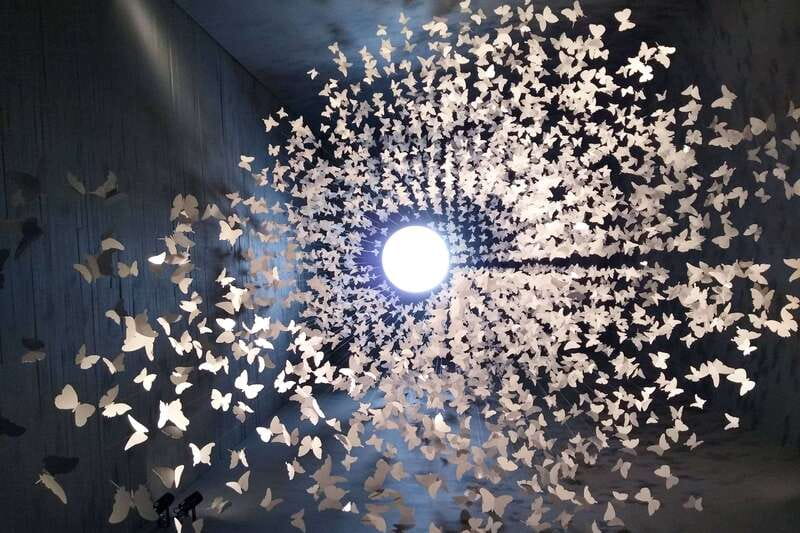
Art gives the museum’s difficult material another language. Several permanent works are included in the visit, and they help break up the document-heavy sections with images, movement, sound, and physical space.
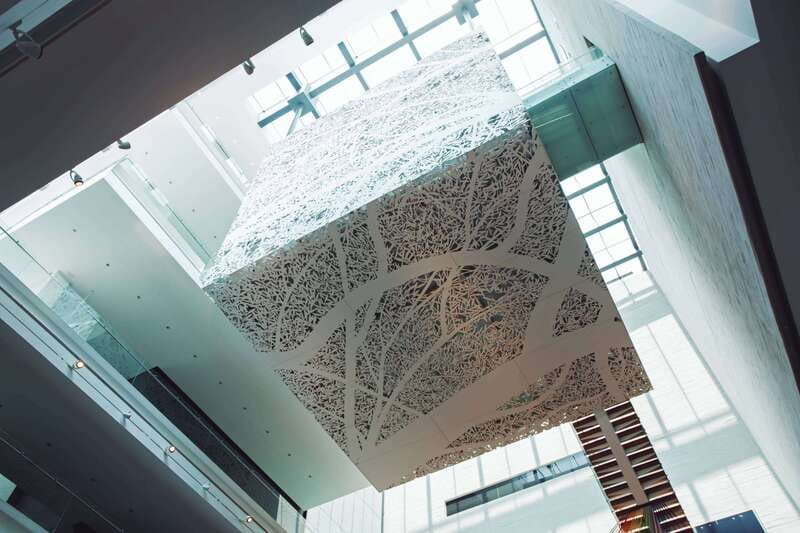
Jan Hendrix created Lost Potential and Cube, two of the museum’s listed installations. Hendrix’s work is part of the museum’s effort to make visitors think beyond dates and names. The pieces are not decoration added after the fact. They are part of the museum’s argument about lives lost, choices ignored, and the possibility of social change.
The museum also includes Lozano-Hemmer’s metronomes installation. Its mechanical rhythm can create a sharp contrast with the quiet concentration of the historical galleries. You might find that installations such as this make you stop and reflect in a different way than a photograph or written document can.
The Wings of Peace, an interactive sculpture by Jorge Marin, adds another physical element. Rivelino’s YOU is also sculptural and interactive, encouraging a more personal connection with the museum’s message. These works ask you to consider your place in the conversation, not just observe from a distance.
Another significant work is Carl Fredrik Reuterswärd’s Non-Violence Project sculpture. The title points toward the museum’s larger goal, linking memory with a culture of peace and respect for human rights.
The prisoner wagon and Berlin Wall fragment
Some objects need little explanation to make an impression. The museum includes a train wagon used during World War II to transfer prisoners. Its presence gives a physical scale to a system that can otherwise remain abstract.
A wagon is not just a symbol on a wall. It is an actual space connected to forced movement and imprisonment. Seeing it within the museum makes the machinery of persecution feel more concrete. You can stand beside it and consider the people who were placed inside, rather than encountering the subject only through text.
The museum also displays a fragment of the Berlin Wall. This connects the visit to division, political power, restricted movement, and the long afterlife of authoritarian systems. Together, the wagon and the wall give the museum large, physical objects that anchor its historical material.
These displays may be especially useful if you are visiting with older teenagers. They give a direct sense of scale and place, but the museum’s age guidance still matters because the overall visit includes very difficult content.
Temporary exhibitions add value to the ticket
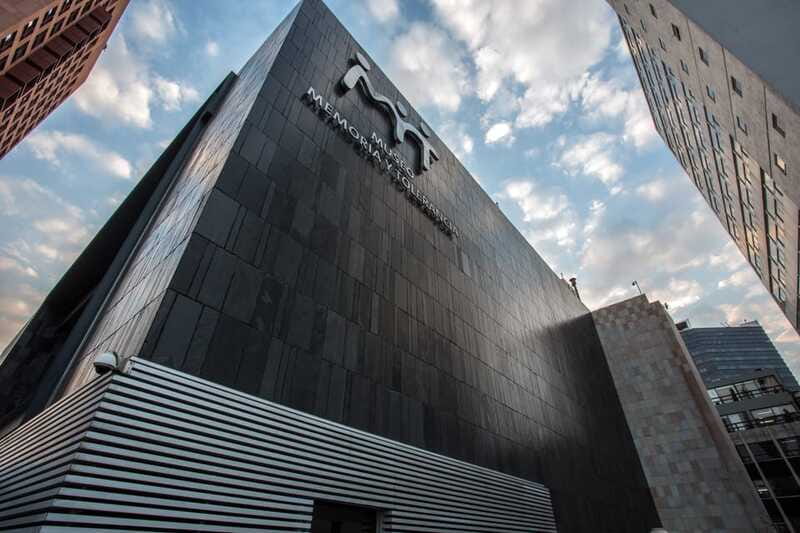
Your entry includes the temporary exhibitions, which makes the $13 price more attractive. The permanent galleries alone provide enough material for a substantial visit, but the temporary displays give you another reason to return or extend your time inside.
The specific temporary exhibitions can change, so you should check what is showing when you plan your visit. Since no separate charge is listed for them, you can include them without worrying that the ticket covers only the main galleries.
I like this arrangement because a museum devoted to tolerance and human rights benefits from changing voices and subjects. Temporary displays can address current social questions or present art in a different format from the permanent historical rooms. Just remember that the temporary galleries may not follow the same structure as the main exhibition.
How much time should you allow?
The ticket is valid for one day, but the information provided does not set a fixed visit length or a specific starting time. Check availability when booking, then plan your day around the museum rather than assuming you can finish it in an hour.
Your own pace will depend on how closely you read the documents, how long you spend with the audio guide, and how much time you need between the more difficult sections. If you listen to every audio segment and stop at the installations, the 43 rooms can fill a large part of your day.
I would avoid booking another major attraction immediately afterward. The subject matter is serious, and the museum works best when you leave space to think. Its central downtown location makes it easy to continue sightseeing later, but you do not need to force the visit into a tight schedule.
Food and drinks are not allowed inside. Plan to eat before or after your visit, especially if you expect to spend several hours in the galleries.
Is the $13 ticket good value?
At $13 per person, the ticket offers access to 43 permanent rooms, more than 1,200 objects and documents, the listed installations, the audio guide, and temporary exhibitions. That is a solid amount of material for the price.
The value depends less on the number of displays than on the kind of museum you want. If you are looking for a light cultural stop with quick visual rewards, this may feel demanding. If you want a serious museum that connects the Holocaust with other crimes against humanity and asks you to think about tolerance, the ticket gives you a great deal of content.
The Spanish and English audio guide also matters. You do not need to arrange a separate guide, and you can choose the language that gives you the clearest understanding. Reserve now and pay later is available, and you can cancel up to 24 hours in advance for a full refund, which helps if your Mexico City schedule is still changing.
The museum is wheelchair accessible. That makes the visit more practical for many people, though the emotional demands remain the same for all visitors.
Who should book this museum visit?
I would recommend it to adults, older teenagers, students, educators, and anyone interested in human rights, genocide studies, modern history, or social action. It also suits visitors who prefer museums that ask questions rather than simply display beautiful objects.
The museum is a good choice if you have already seen Holocaust museums elsewhere and want a wider look at genocide and tolerance. The Anne Frank material, art installations, prisoner wagon, and Berlin Wall fragment give the visit several different points of entry.
Families with young children should think carefully before booking. Children under 15 must be accompanied by an adult, and the permanent exhibitions are recommended for older children. That is not a minor note. The subject matter is graphic and emotionally difficult.
The museum may be less suitable if you have only a short window in downtown Mexico City or if you want a relaxed, cheerful attraction. It is meant to challenge you. Give it the time and attention it requires.
Should you book the Memory and Tolerance Museum?
Book it if you want a serious, well-priced museum visit that connects the Holocaust to Rwanda, Guatemala, Cambodia, Darfur, Yugoslavia, and Armenia. The combination of historical evidence, personal stories, powerful installations, and temporary exhibitions gives the $13 ticket real value.
I especially recommend it for visitors who want the Anne Frank material, the World War II prisoner wagon, and art by Jan Hendrix, Jorge Marin, Rivelino, and Carl Fredrik Reuterswärd. Skip it only if your schedule is too tight or if this subject matter is not right for you at the moment.
FAQ
Where is the Memory and Tolerance Museum located?
It is at Plaza Juarez in downtown Mexico City, next to the Secretariat of Foreign Affairs and across from the Hemicycle to Juarez.
What does the admission ticket include?
The ticket includes entry to the permanent exhibitions, temporary exhibitions, and an audio guide in Spanish or English.
How many rooms are in the permanent exhibition?
The permanent exhibition has 43 rooms and includes more than 1,200 objects, documents, and audiovisual pieces.
Which historical subjects does the museum cover?
The museum covers the Holocaust and other crimes against humanity, including the Armenian genocides, Rwanda, Guatemala, Cambodia, Darfur, and Yugoslavia.
Is the museum suitable for children?
The permanent exhibitions are recommended for children older than 15. Children younger than 15 must be accompanied by an adult.
Is the museum wheelchair accessible?
Yes, the museum is wheelchair accessible. Food and drinks are not allowed inside.
Just added around Mexico City
- Kayaking on the Island of Sacrifices★ 5.0 · 49 reviews
- Paragliding in Valle de Bravo★ 5.0 · 188 reviews
- Hot Air Balloon Flight and Tour of the Majestic Pyramids★ 4.5 · 38 reviews
- Hot air balloon ride with breakfast in Cueva from CDMX★ 5.0 · 47 reviews
- Balloon flight / Breakfast in the cave / CDMX pick-up + Pyramids★ 5.0 · 54 reviews
- Africam safari (private tour)★ 5.0 · 33 reviews
- Lucha Libre, Tacos, Margaritas,Tequila and Night Market Tour★ 5.0 · 64 reviews
- Riviera Maya: Frida Kahlo Museum Guided Tour 2025★ 4.1 · 54 reviews
Tickets, compared.
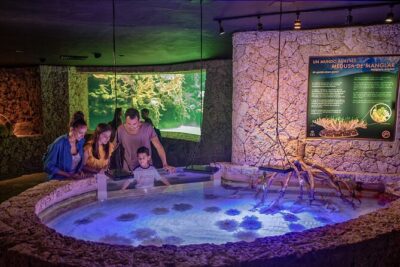
Xcaret Park Entry Tickets with Cultural Night Show Included
Read our review →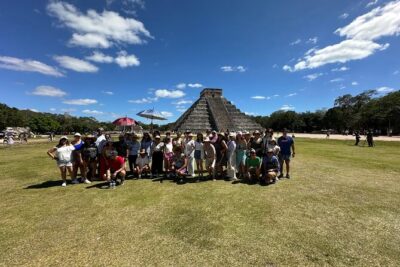
Tour to Chichen Itza-Tickets, food and cenote
Read our review →

Lucha Libre Tickets & Tacos & Beer & Mezcal – Best Night Ever
Read our review →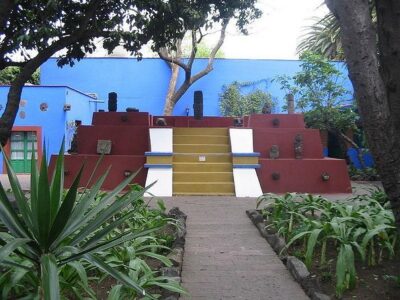
Frida Kahlo VIP [Museum Tickets Included] Bike, Markets & Churros
Read our review →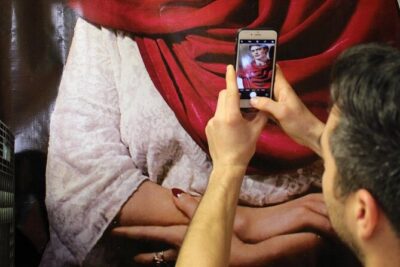
Frida Kahlo VIP [Museum Tickets Included] Walk, Markets & Churros
Read our review →
Frida Kahlo Museum Entry Ticket w/Digital Guide
Read our review →Browse the lists this tour appears in