
Reviewed · WHALE WATCHING
Whale and Dolphin Watching with a Biologist in Puerto Vallarta
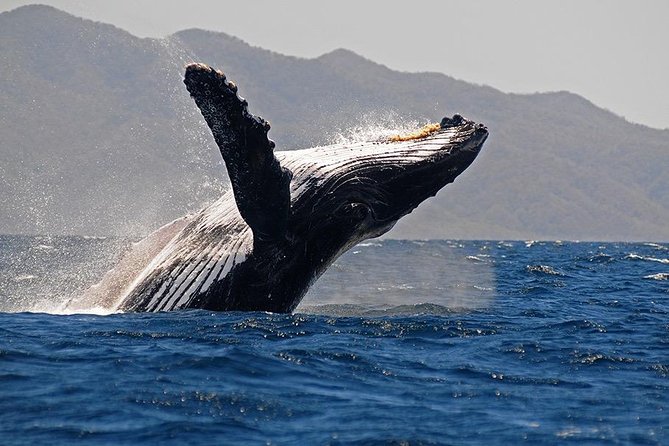
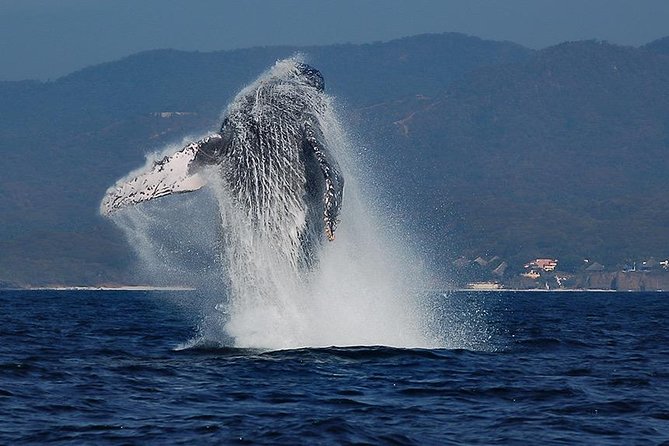
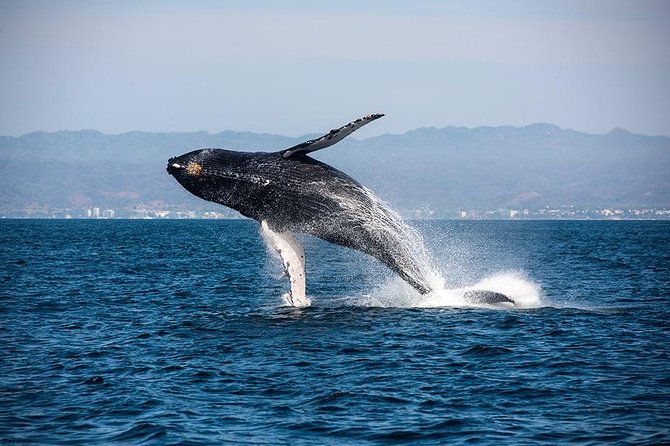
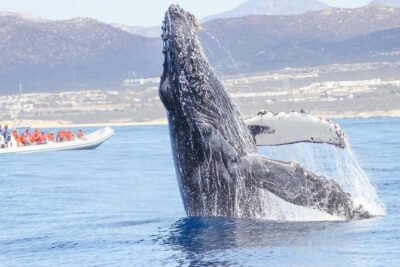
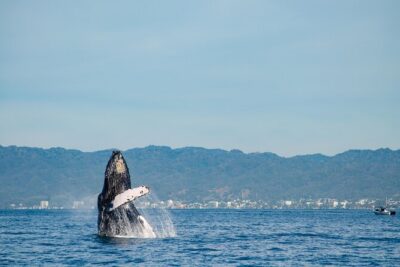
A humpback whale can turn a calm morning into a full show, with breaching, tail slaps, mothers beside calves, and underwater songs carried through a hydrophone. This four-hour whale and dolphin trip pairs those encounters with a biologist who explains what you are seeing rather than simply pointing at a spout.
I like the small boat setting, which gives you a fair view from either side, and the chance to support marine research while you watch. I also like the pre-cruise lesson, where you can handle baleen and see whale vertebrae before heading out.
The main consideration is that this is a real wildlife outing, not a staged show. The boat may spend an hour searching before finding whales, there is no bathroom on board, and sea conditions can affect the ride.
Key points to know before booking
- Winter humpbacks are the main event: Puerto Vallarta’s whale season brings mothers, calves, males, and competing groups into the bay.
- Marine biologists lead the trip: Guides including Jemma, Gemma, Camilla, and Gema explain whale behavior, communication, and local marine life.
- A hydrophone adds another sense: You may hear whale songs underwater, even when the animals are not right beside the boat.
- Small boats improve viewing: The group limit is 20, with many trips carrying about 12 to 16 people.
- Wildlife variety is a real bonus: Dolphins, turtles, giant mantas, sea lions, and blue-footed boobies may join the whale sightings.
- Plan for simple boat logistics: The tour leaves from Opequimar Centro Marino in Marina Vallarta, returns there, and has no onboard bathroom.
Why this Puerto Vallarta whale tour feels different
Many whale trips are built around getting you near a whale and taking a picture. This one adds a second purpose: you help collect information for research on whales and dolphins. Your participation helps fund the operator’s ongoing programs, so the outing has more weight than a simple sightseeing cruise.
That research angle is not just a line in the description. The guide discusses animal behavior, identifies species, and explains what the crew is recording. You may learn why a mother and calf stay together, how whales communicate, or what male humpbacks are doing when they gather around a female.
The guides bring strong credentials to the boat. The team includes biologists with master’s degrees in marine ecology, a science journalist, and a professional wildlife photographer whose work has appeared with National Geographic and Animal Planet. Names reported for recent trips include Jemma, Gemma, Camilla, Gema, Cesar, Jorge, and Camila.
The exact guide depends on the departure, but the format remains the same: a science-minded guide alongside a skilled captain. That pairing matters. The biologist reads animal behavior, while the captain handles the boat and positions it for a useful view without crowding the wildlife.
More Whale Watching in Puerto Vallarta
- Sunsets and Whales Mega Yachts ALL INCLUSIVE: Puerto Vallarta
★ 5.0 · 509 reviews - Whale Encounter Puerto Vallarta
★ 5.0 · 469 reviews - Small-Group Half-Day Whale-Watching Tour in Puerto Vallarta
★ 5.0 · 334 reviews
Starting at Opequimar Centro Marino
You meet at Opequimar Centro Marino, Av. Paseo de la Marina Sur 214, in Marina Vallarta. The boat returns to this same point at the end, which keeps the day fairly simple if you are staying in or near Puerto Vallarta.
The outing begins with a short educational presentation on land. This is one of the smartest parts of the schedule because it gives you a basic vocabulary before you reach the water. You may handle a piece of baleen and see how large whale vertebrae are, turning the animals from distant shapes into physical creatures with immense bodies.
The guide also explains the humpbacks that visit the bay in winter. They come to mate and give birth, so you may see several kinds of behavior during one trip: solitary adults, male groups competing for a female, mothers resting beside calves, and young whales practicing movements.
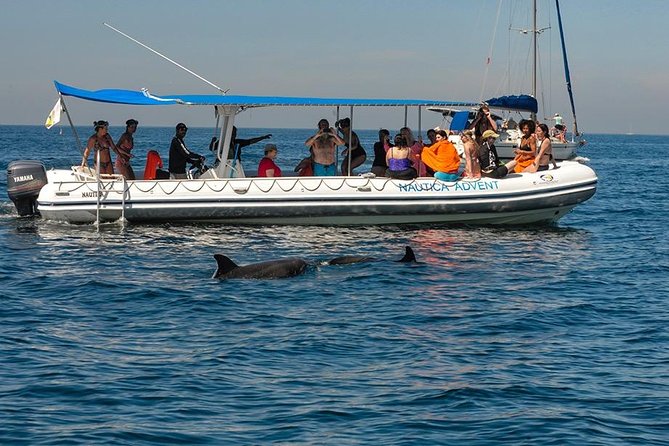
Life jackets are provided and crew members help with boarding. The boat is covered, a welcome feature under Puerto Vallarta’s strong sun, though the cover does not remove the need for sun protection. Bring sunscreen, a hat that will not blow away, and clothing you do not mind getting splashed.
Four hours on the water, with the search part included
Once underway, the crew looks for whales in the bay and nearby waters. Some departures find whales within 15 or 20 minutes. Others start slowly, with about an hour passing before the first sighting. Both are normal for a wildlife trip.
This is worth understanding before you book. A guarantee of constant action would be misleading, even with experienced people on board. The operator advertises a guarantee that animals will be found or your money will be returned, but the experience itself still depends on where the animals are, sea conditions, and their behavior at that moment.
The captain may move between areas where different groups have been spotted. The aim is not simply to rush toward the nearest blow. A good position lets you see the animal without pushing the boat too close, and the captain may anticipate where a whale will surface next.
That anticipation is especially useful for photographs. You may have only a few seconds to catch a fluke, a pectoral fin, or a breach. The boat crews, including captains Jorge and Cesar on several outings, have been praised for smooth handling and for giving people a clear view from both sides.
The boat is small enough to feel close to the water, but it is not an intimate private charter. The maximum is 20 people. Recent groups described in the supplied information ranged from about 12 to 16, and one especially small departure had only five people. Fewer people make it easier to shift sides and take pictures. A full boat can still work, but your position matters more.
Humpbacks, calves, and the behavior worth watching
Puerto Vallarta’s humpbacks are the reason to book this trip during winter. The most exciting encounters are not always the biggest breach. A mother and calf moving together can be just as memorable, especially when the guide explains the relationship and the signals between them.
You might see a calf breach, roll, or slap its tail while the mother stays close. One account described a mother repeatedly tail-slapping while teaching her young calf about communication. Another described a calf playing near dolphins while its mother watched.
Adult males can provide a different kind of spectacle. Groups may gather around a female, with males competing for access. You may also see individual whales lifting their tails, slapping their fins, or surfacing in a predictable pattern. The biologist helps you understand that these actions are not random tricks for the boat. They are part of feeding, mating, communication, social behavior, or movement through the bay.
The most fortunate trips have seen eight whales together, 15 or more whales in a day, and even 20 to 30 separate animals. Those numbers are possible sightings, not promises. A quieter trip can still be worthwhile if you understand what you are seeing and hear the guide explain it.
More Dolphin Encounters in Puerto Vallarta:
- Watch and Swim with Dolphins in the Wild
★ 4.5 · 668 reviews - Puerto Escondido: Boat Tour to see Dolphins and Marine Life
★ 4.6 · 467 reviews - Dolphin & Whale Watching in Puerto Escondido
★ 5.0 · 278 reviews - Dolphin Watching Tour
★ 5.0 · 103 reviews
Hearing whale songs through the hydrophone
The hydrophone is one of the tour’s best features. It lets you hear the sounds of whales beneath the surface, adding a powerful audio layer to the visual experience.
You may hear nearby songs clearly, or catch sounds echoing from animals farther away. The guide can connect those sounds to the whales’ behavior and explain how the songs relate to the animals you are watching.
This is especially valuable when the sea appears quiet. A whale may be below the surface or out of sight, but the hydrophone reminds you that the water is still active. For many people, hearing the song becomes as memorable as photographing a breach.
Dolphins, turtles, mantas, and other marine life
The trip combines whale watching with dolphin watching during winter. Possible dolphin species include bottlenose, spotted, spinner, and rough-toothed dolphins. The crew may also find false orcas or orcas, though these are occasional possibilities rather than standard sightings.
Dolphins can appear in large groups, sometimes near whales. You might see them traveling close to the boat, playing, or moving through their usual territory. The guide can help distinguish one species from another and explain how their patterns differ.
Other possible sightings include marine turtles and giant manta rays. One outing also found a sea lion resting on its back, while another saw blue-footed boobies. These sightings are bonuses, but they give the trip variety when whales are spread out or temporarily below the surface.
The important phrase is in their natural environment. There is no performance schedule. A whale may breach three times in a row, then disappear for several minutes. Dolphins may show up during a slow stretch, or the boat may return with whales as the clear highlight.
Food, comfort, and the limits of a small boat
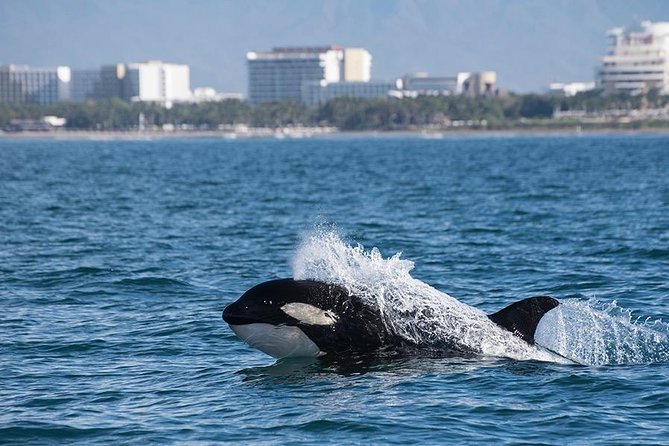
The trip lasts about four hours, long enough to make the journey worthwhile without turning into an all-day expedition. Sandwiches and soft drinks have been provided on some departures, and one guide even prepared sandwiches for the group. Treat this as light boat food rather than a full meal.
There is no bathroom on board. Use facilities before departure and avoid drinking so much that you spend the outing worrying about the return trip. This point matters more than it might on a short harbor cruise.
The covered boat helps with sun and may make the ride more comfortable, but you are still on a small vessel. Wind and choppy water can make the journey lively. The trip requires good weather, and poor conditions can lead to a rescheduled departure or full refund.
If you are prone to motion sickness, plan carefully. The supplied information does not specify medication or onboard medical facilities, so ask the operator any health questions before booking. Service animals are allowed, and most people can participate, but the experience is not recommended for anyone more than seven months pregnant.
What $105 buys you
At $105 per person, this is not the cheapest way to reach the bay. You are paying for about four hours on the water, a small group, a biologist guide, an experienced captain, research participation, and the chance to see several types of marine life.
I think the price makes the most sense if you care about understanding the animals, not only seeing them. The land presentation, baleen demonstration, hydrophone, behavior lessons, and research work give the outing more substance than a basic boat ride.
The value also depends on the season and your luck. A day with mothers, calves, dolphins, and breaches can feel like money well spent. A slow first hour may test your patience, even if the action later improves. The operator’s advertised animal guarantee offers some financial reassurance, but you should still book with realistic expectations about timing and weather.
The small group adds practical value. With 12 to 16 people, you have a better chance of seeing over the side and moving around than on a large sightseeing boat. A group of 20 is still manageable, but if small numbers matter greatly to you, confirm the expected group size before booking.
Who should book this experience
I would choose this tour if you want a serious introduction to whales and dolphins, especially if you enjoy natural history and asking questions. Families with older children and teenagers can get a lot from the guide, and the compact format keeps the subject focused.
It also suits photographers who want a captain watching for the next surfacing point. The boat offers the close-to-the-water feel needed for photographs, though no crew can promise a perfect breach or calm conditions.
Couples may find it memorable, and the guides have made thoughtful touches for special occasions, including a small birthday treat. That is not a formal part of the tour, so do not book it expecting a celebration service, but it shows the personal tone the crew can bring.
I would hesitate if you need a guaranteed schedule of sightings, a large stable boat, or a restroom onboard. The boat is designed for wildlife viewing, not for resort-style comfort. I would also avoid treating the trip as a quick photo stop. Four hours gives the crew time to search, watch, listen, and explain.
Booking, cancellation, and practical details
Confirmation is sent within 48 hours, subject to availability. The tour is offered in English, uses a mobile ticket, and is booked on average about 26 days ahead, so reserving early is sensible during the winter whale season.
Free cancellation is available up to 24 hours before the local start time for a full refund. Cancellations or changes made inside 24 hours are not refunded or accepted. If bad weather cancels the outing, you are offered another date or a full refund. The same applies if the minimum number of participants is not met.
Bring a phone or camera, but keep your attention on the water. The best moment may last only seconds, and the guide’s explanation can help you notice details you would otherwise miss. Cash for tips is also useful, as one guide specifically advised.
Should you book the whale and dolphin tour?
Yes, if you want more than a quick ride past a few spouts. The strongest reasons are the marine biologist, the hydrophone, the small covered boat, and the chance to support research while watching humpbacks in the bay.
Book it during winter, leave room in your schedule for weather changes, and accept that wildlife does not follow a timetable. If you can handle the lack of a bathroom and the possibility of a slow start, this is a well-rounded Puerto Vallarta outing with real educational value.
FAQ
Where does the whale and dolphin tour begin?
It begins at Opequimar Centro Marino, Av. Paseo de la Marina Sur 214, Marina Vallarta, Puerto Vallarta, Jalisco, Mexico. The tour returns to this meeting point.
How long does the experience last?
The outing lasts approximately four hours, including the land presentation, boat ride, wildlife search, and return to the marina.
What animals might I see?
Possible sightings include humpback whales, bottlenose dolphins, spotted dolphins, spinner dolphins, rough-toothed dolphins, turtles, giant manta rays, false orcas, and orcas. Sea lions and blue-footed boobies have also been seen.
Is the tour led by a marine biologist?
Yes. The guides are specialists in cetaceans and include biologists with master’s degrees in marine ecology. Guides named for recent departures include Jemma, Gemma, Camilla, and Gema.
Is there a bathroom on the boat?
No. Use the facilities before departure and plan accordingly.
What happens if bad weather cancels the tour?
You are offered a different date or a full refund if the experience is canceled because of poor weather.
How late can I cancel for a full refund?
You must cancel at least 24 hours before the experience start time, based on local time. Cancellations or changes made less than 24 hours before departure are not refunded or accepted.
Just added around Puerto Vallarta
- Puerto Vallarta: Mega Yacht Whale Watching Sunset Cruise★ 4.7 · 94 reviews
- Puerto Vallarta: Baby Turtle Release in Conservation Area★ 4.8 · 110 reviews
- Puerto Vallarta: Yelapa Mega Yacht Cruise★ 4.7 · 180 reviews
- Puerto Vallarta: Guided San Sebastian Tour★ 4.5 · 38 reviews
- Puerto Vallarta Rhythms of the night, Show & Buffet dinner★ 4.7 · 219 reviews
- Puerto Vallarta: Horse Riding Tour w/ Optional ATV & Zipline★ 4.7 · 73 reviews
- Puerto Vallarta: Botanical Gardens, Distillery & Coffee Tour★ 4.4 · 39 reviews
- Puerto Vallarta: Bean to Bar Chocolate Workshop★ 4.9 · 41 reviews
Whale Watching, compared.
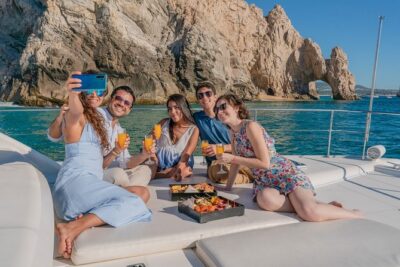
Luxury Catamaran Whale Watching Cabo San Lucas
Read our review →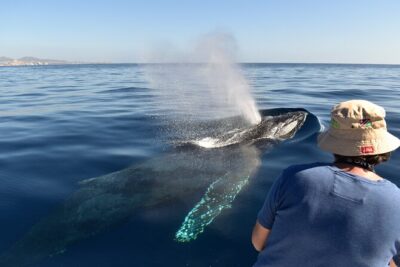
Whale Watching Cabo-Women crew-Sightings Guaranteed & Free Photos
Read our review →
Small Group Whale Watch | Cabo San Lucas | Biologist | Free Pics
Read our review →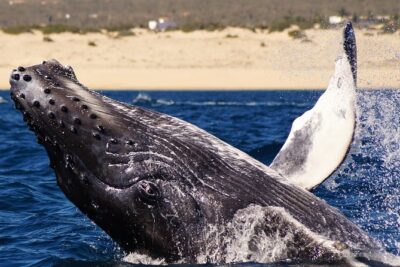
Whale Watching, The Famous Arch and Fast Boat Tour in Los Cabos
Read our review →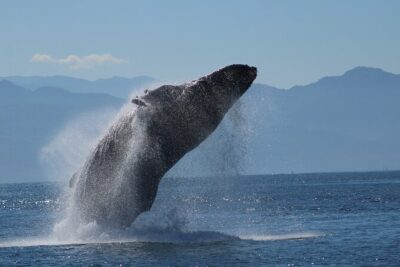
Sunsets and Whales Mega Yachts ALL INCLUSIVE: Puerto Vallarta
Read our review →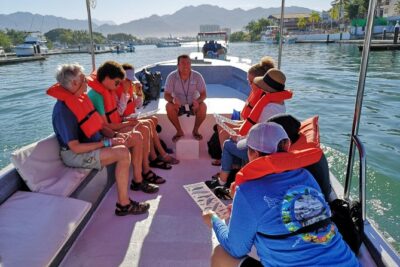
Whale Watching Cruise In Puerto Vallarta & Nuevo Vallarta
Read our review →Browse the lists this tour appears in