
Reviewed · WHALE WATCHING
Dolphin & Whale Watching with Marine Biologists
Huatulco’s best wildlife encounters can happen far from the beach, where humpback whales, huge dolphin pods, sea turtles, mobula rays, and even the occasional orca move through the Pacific. Oceanico takes you out from Chahué Marina in a small boat, with marine biologists explaining what you see rather than simply pointing at fins.
I like the small maximum group of 14, which gives you room to move around and a better chance of seeing the water from the bow. I also like the hydrophone, an underwater microphone that lets you hear whale songs and dolphin calls. The main drawback is simple: this is wild-animal watching, not a guaranteed whale show, and the boat has limited shade in strong sun.
Key things to know before you go
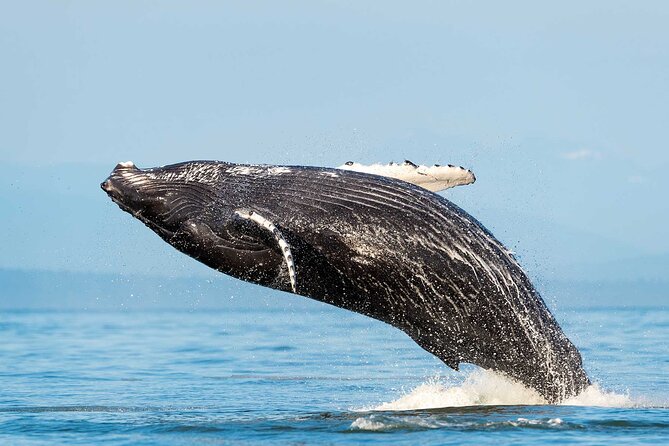
- Whales are most likely from December through March, when humpback sightings occur on about 90 percent of trips.
- The hydrophone adds sound to the experience, letting you hear whales singing and dolphins communicating.
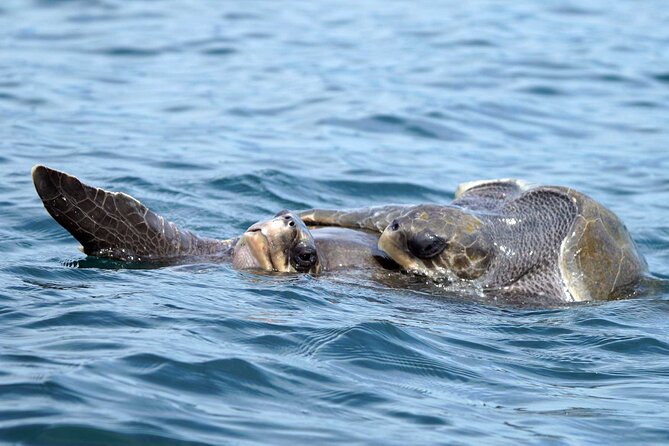
- Sea turtles are a major part of the outing, with olive Ridley turtles seen often in the waters around Huatulco.
- The small boat reaches farther offshore, using local spotters and the crew’s knowledge of productive areas.
- The group is capped at 14 people, a useful advantage when you want a clear view and space for photography.
- Bring sun protection and cash, since the boat fee does not cover the 65-peso national park charge or the 10-peso marina fee.
Leaving Chahué Marina at 8:00 a.m.
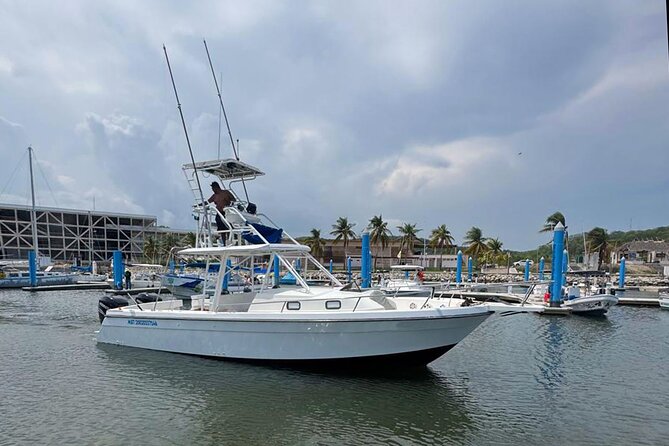
Your morning begins at Oceanico Huatulco in Sector P at Marina Chahue, on Boulevard Benito Juárez. The meeting point is close to public transportation, and the boat returns to the same place at the end, so you do not need to arrange a separate ride back.
The departure time matters. An early run gives you a full morning on the water before the day becomes hotter, and the shorter transfer from the marina means more of your two and a half hours can be spent looking for wildlife. You will receive a short briefing as you leave, covering the whales, dolphins, turtles, and other animals found around Huatulco.
The briefing is not filler. Marine biologists explain how to behave around the animals, what signs to watch for, and how current research helps us understand them. You can ask questions throughout the trip, and the crew shares information in English.
The boat carries up to 14 people. That is small enough to avoid the packed, shoulder-to-shoulder feeling common on larger sightseeing boats. You also have a better chance to shift from one side to the other when an animal appears.
More Dolphin Encounters in Huatulco:
- Watch and Swim with Dolphins in the Wild
★ 4.5 · 668 reviews - Whale and Dolphin Watching with a Biologist in Puerto Vallarta
★ 5.0 · 666 reviews - Puerto Escondido: Boat Tour to see Dolphins and Marine Life
★ 4.6 · 467 reviews
Huatulco National Park from the water
The main setting is Huatulco National Park, a protected coastal area where the outing becomes more than a simple search for whales. The park’s waters support turtles, dolphins, rays, and many other forms of marine life, so a day without whales can still produce a full list of sightings.
You will travel beyond the immediate shoreline to areas known by the Oceanico crew and its network of spotters. That extra range is important. Wildlife does not wait beside the marina, and the captain may need to cover a fair distance before locating a pod or whale.
The exact route changes with sea conditions and animal movement. One outing may focus on a humpback mother and calf, while another finds a large group of spotted dolphins, turtles, or mobula rays leaping across the surface. You should think of the boat ride as a moving search rather than a fixed route with scheduled stops.
The national park requires an entrance payment of 65 pesos in cash per person. This is separate from the tour price. There is also a 10-peso cash marina fee per person, so carry 75 pesos per person in small cash, in addition to the $59.74 tour cost.
Whales, dolphins, and the sounds beneath the boat
Humpback whales are the main attraction, especially between December and March. Oceanico reports sightings on about 90 percent of tours during that period, which is a strong seasonal figure, though it still cannot promise a whale on every departure.
A typical sighting may involve a whale surfacing, breathing, and disappearing before surfacing again farther away. You may watch a mother and calf traveling together, or see an escort animal nearby. The crew’s role is to help you understand this behavior and follow the animals without crowding them.
The hydrophone gives this experience an extra layer. Instead of relying only on what you can see above the waves, you may hear whale song or the sounds dolphins use to communicate. This is particularly useful when animals are nearby but not fully visible.
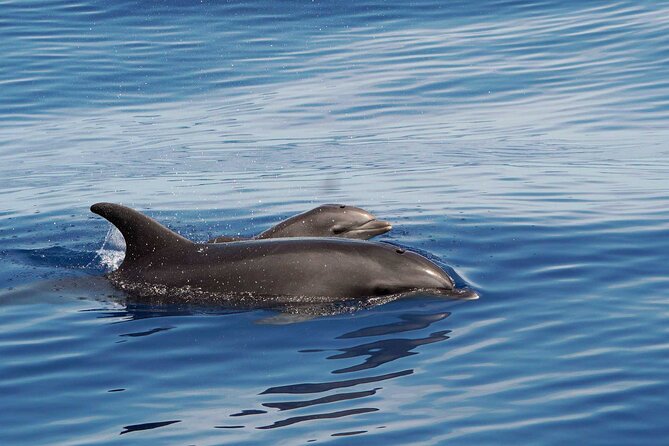
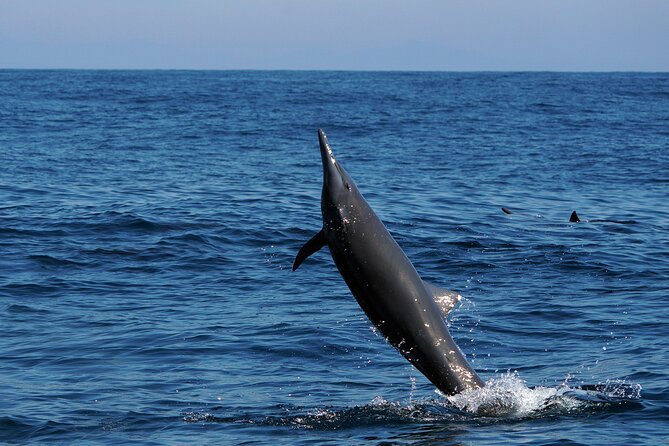
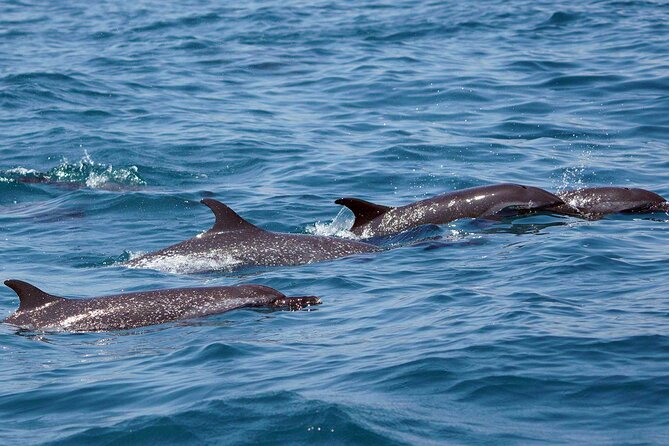
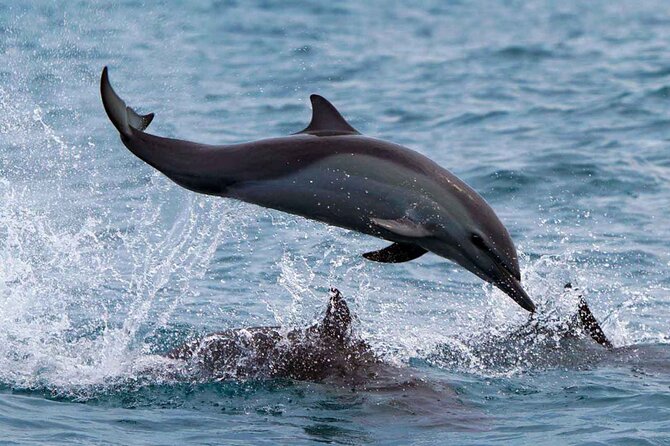
Dolphins can be just as memorable as whales. Sightings have included bottlenose and spotted dolphins, sometimes in large pods. A group of around 300 dolphins has been seen on one outing, creating the kind of fast-moving spectacle that makes you forget to put your camera down.
You might also hear dolphins echolocating through the hydrophone. That sound helps connect the animal’s behavior with the explanation from the guide. You are not just watching a pod rush past. You are learning how it communicates and navigates.
Turtles, rays, and the surprises of the Pacific

Huatulco is especially good for sea turtles. Olive Ridley turtles are common, and you may also see green turtles. The nearby coast includes Playa Escobilla, known for mass Olive Ridley nesting events, which helps explain why turtles are such a regular part of the marine picture here.
Some outings produce 15 or more turtles. Others may include many turtles along with dolphins and manta rays. The crew also reports sightings of yellow-bellied sea snakes, sailfish, and mobula rays.
Mobula rays can provide one of the most dramatic moments of the morning. A group of about 12 has been seen leaping from the water, and individual rays may flip above the surface in the distance. These encounters are not promised, but they show why it pays to keep watching after the first whale or dolphin sighting.
One reported January outing included several orcas, whales, turtles, manta rays, and a sea snake. That is an exceptional combination, not a standard expectation. Still, it gives you a sense of the variety possible in this part of the Pacific.
More Whale Watching in Huatulco:
- Luxury Catamaran Whale Watching Cabo San Lucas
★ 5.0 · 2,107 reviews - Whale Watching Cabo-Women crew-Sightings Guaranteed & Free Photos
★ 5.0 · 1,743 reviews - SMALL GROUP Whale Watch | Cabo San Lucas | Biologist | FREE Pics
★ 5.0 · 1,106 reviews - Humpback Whales in Cabo San Lucas
★ 5.0 · 1,005 reviews
How the crew handles wildlife encounters
The strongest part of this experience is the combination of searching and explanation. Scarlett has guided outings, while Peter and Tony have handled guiding and boat duties on other departures. The crew uses marine biology training to explain animal behavior, current research, and conservation concerns.
That matters because responsible wildlife watching depends on distance and patience. The crew’s approach is to observe the animals, avoid disrupting them, and follow the regulations of Huatulco National Park. When the time comes to leave, the group says Adios y Gracias and heads back toward Chahué Marina.
You should still expect the boat to adjust course, slow down, or wait for a better sighting. The morning can feel active when dolphins race alongside the boat, then quiet when the crew scans the horizon for a whale. That changing pace is part of the experience.
The guides also speak more than one language, while this departure is offered in English. If you enjoy asking questions, you will get more from the trip than someone who simply wants a quick photo.
The small boat tradeoff

The smaller boat works in your favor for wildlife viewing. With no more than 14 people, you can move toward the bow, look over either side, and hear the guide without relying on a distant loudspeaker. One group had enough room to spread out and watch a mother and calf for an extended period.
The tradeoff is comfort. The boat has a canvas roof, but the shade is limited in practice, and the tropical sun can feel strong on open water. Wear a hat, sunglasses, and reef-friendly sunscreen. Bring water even though bottled water is included, especially if you are sensitive to heat.
Large swells are possible. The captain may handle rough water well, but the motion can still bother anyone prone to seasickness. The tour does not list special seating or medical support, so consider your own comfort on a small boat before booking.
Lifejackets are available for children from age three through adults weighing up to 130 kilograms. The minimum age is three, and people over 130 kilograms are not accepted. Most people can participate, but the operator does not present this as a wheelchair-accessible activity.
What the $59.74 price includes
At $59.74 per person, the tour is reasonably priced for a small-group marine wildlife outing lasting about two and a half hours. Your fee covers the boat trip, bottled water, marine biology guidance, and the chance to search a wide area rather than staying close to shore.
The value improves if you care about learning. A basic boat ride may show you a fin and send you home with a photograph. Here, the hydrophone, conservation information, and explanations of whale and dolphin behavior give the experience more substance.
Remember the additional cash charges. The 65-peso Huatulco National Park entrance fee and 10-peso Chahué Marina fee are not included. These are modest costs, but they can create an avoidable problem if you arrive with only a card.
The activity is often reserved about 33 days ahead. That suggests you should plan early, particularly for December through March, when the chance of seeing humpbacks is highest. The small capacity also limits last-minute availability.
When this tour suits you best
I would choose this outing if you want a serious wildlife search without the scale of a large excursion boat. It suits photographers, families with children age three or older, and anyone who prefers to ask questions rather than simply watch from a seat.
It is also a good match for repeat visitors to Huatulco. You can see different species on different mornings, and the crew’s local knowledge may take you to a new area. One person enjoyed the experience enough to book a second day, hoping to see more wildlife.
You should think twice if you need guaranteed sightings, dislike sun and boat motion, or want a relaxed cruise with plenty of shade. The animals set the schedule. A whale may appear within minutes, or the boat may spend much of the morning searching.
The experience is also less suitable if you weigh more than 130 kilograms, are under three years old, or cannot comfortably take part in a small-boat outing. Check your limits before paying, since the booking is normally non-refundable.
Practical details before booking
Confirmation arrives at booking, and the activity ends back at the Chahué Marina meeting point. The tour is offered in English, begins at 8:00 a.m., and lasts approximately two hours and 30 minutes.
Bring:
- Cash for the 65-peso park fee and 10-peso marina fee
- A hat and sunglasses
- Reef-friendly sunscreen
- Water beyond the included bottle if you need it
- A camera with a secure grip
- Light clothing that can handle spray and sun
The booking cannot normally be refunded or changed. If poor weather forces Oceanico to cancel, you can choose another date or receive a full refund. The same applies if the minimum number of people is not reached. That protection applies to operator cancellations, not a change of your own plans.
Should you book Oceanico?
Book this tour if you want your Huatulco boat trip to include real marine science, a small group, and a fair chance of seeing several species. The best season for humpbacks is December through March, but turtles, dolphins, rays, and other animals can make the outing worthwhile at other times too.
I especially like the hydrophone and the limited group size. Those two features make the experience feel more attentive than a standard coastal cruise. Just bring cash, prepare for sun and swells, and accept that nature does not work on a timetable.
If your priority is a guaranteed whale sighting, no wildlife tour can deliver that. If your priority is a respectful search led by marine biologists, with the possibility of hearing whales sing and watching dolphins communicate, Oceanico is a strong choice.
FAQ
Where does the dolphin and whale tour begin?
It begins at Oceanico Huatulco in Sector P at Marina Chahue, Boulevard Benito Juárez, Bahias de Huatulco, Oaxaca, Mexico.
What time does the tour start?
The tour starts at 8:00 a.m.
How long does the experience last?
The experience lasts approximately two hours and 30 minutes.
What animals might I see?
You may see humpback whales, bottlenose and spotted dolphins, olive Ridley and green turtles, mobula or manta rays, sea snakes, sailfish, and other marine species. Sightings vary by day.
When are humpback whales most likely?
Humpback whales are seen on about 90 percent of tours from December through March.
Are the national park and marina fees included?
No. You must pay 65 pesos in cash per person for Huatulco National Park and 10 pesos in cash per person for the Chahué Marina fee.
Is the tour suitable for children?
The minimum age is three. Lifejackets are available for children from age three through adults weighing up to 130 kilograms.
Just added around Huatulco
- Waterfall Experience★ 5.0 · 70 reviews
- Turtle Release Escobilla Sanctuary and crocs in Ventanilla.★ 4.5 · 45 reviews
- Tour in Huatulco and Playa La Entrega★ 5.0 · 30 reviews
- Private One-Way or Roundtrip Transportation to Huatulco Hotels★ 4.5 · 32 reviews
- Private Tour Seven Bays, Huatulco HT★ 5.0 · 44 reviews
- 3 Levels of Huatulco the coffee you’ve been looking for★ 5.0 · 43 reviews
- Seafood Cooking Class★ 5.0 · 38 reviews
- Pyramids Archaeological Site HT★ 5.0 · 35 reviews
Whale Watching, compared.

Luxury Catamaran Whale Watching Cabo San Lucas
Read our review →
Whale Watching Cabo-Women crew-Sightings Guaranteed & Free Photos
Read our review →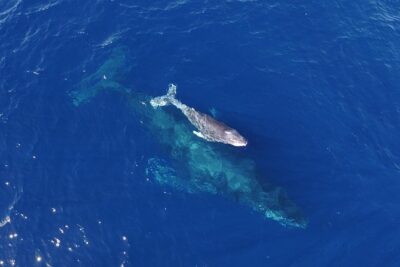
Small Group Whale Watch | Cabo San Lucas | Biologist | Free Pics
Read our review →
Whale Watching, The Famous Arch and Fast Boat Tour in Los Cabos
Read our review →
Whale and Dolphin Watching with a Biologist in Puerto Vallarta
Read our review →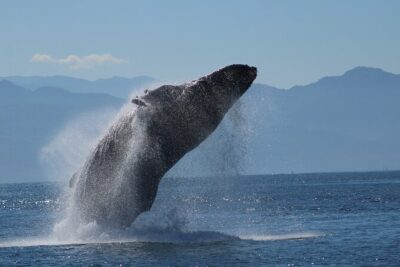
Sunsets and Whales Mega Yachts ALL INCLUSIVE: Puerto Vallarta
Read our review →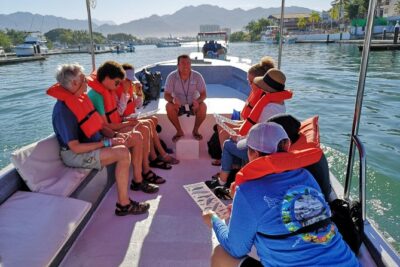
Browse the lists this tour appears in